




10 inventions that began life as science fiction

We often assume the technology we rely on came from the minds of genius inventors determined to solve a problem. And most original concepts will have been inspired by the need to improve the way something was done. But some ideas spring from the imaginations of creative people who have little or no expertise in design and just the ability to imagine worlds beyond the constrictions of the here and now. Imagining the impossible has allowed science fiction writers to explore concepts and ideas previously unthought-of. Those men and women have, in turn, inspired those with the necessary expertise to turn their ideas into reality. Many of the inventions we use every day were inspired by the stories written many years before they were possible: stories by the likes of Jules Verne, Mary Shelley, Mark Twain and Arthur C Clarke. We look at 10 inventions that began life as mere science fiction…

Voice control

voice-controlVoice-controlled robots such as R2-D2 from Star Wars (pictured) were a mainstay of science fiction long before Apple unveiled its Siri software. While the technology had been in development as far back as the 1950s, it wasn’t until Stanley Kubrick’s 1968 film 2001: A Space Odyssey showed a talking and responsive computer, HAL, that people began to imagine its true possibilities. Voice control systems first emerged during the 1950s and 1960s, when Bell Laboratories designed its ‘Audrey’ system, which could recognise digits spoken by a single voice. IBM took things a step further a decade later with its ‘Shoebox’ machine that could understand 16 English words. By the 1970s, the US Department of Defence had set up its DARPA Speech Understanding programme. By the turn of the century, consumer electronics firms were starting to integrate such technology into their products. Apple worked with speech recognition specialist Nuance to produce Siri, while Google launched its own Voice Search product in 2011.

Automatic doors

automatic-doors

Hardly the most glamorous of inventions, the automatic sliding door was still once the stuff of science fiction. More than half a century before its invention, the automatic door appeared in HG Wells’ 1899 serialised story When the Sleeper Wakes. Wells’ door slid upwards into the ceiling: what was invented by Horton Automatics co-founders Dee Horton and Lew Hewitt in 1954 – and has been widely used ever since – were two sliding doors either side of the opening. According to the company: “The two men went to work inventing an automatic sliding door that would circumvent the problem of high winds and their damaging effect. Horton Automatics Inc was formed in 1960, placing the first commercial automatic sliding door on the market and literally establishing a brand-new industry.” Wells has been noted for his prophetic writings: as well as automatic doors, his works predicted atomic weapons, lasers and the Second World War.

Smartwatches
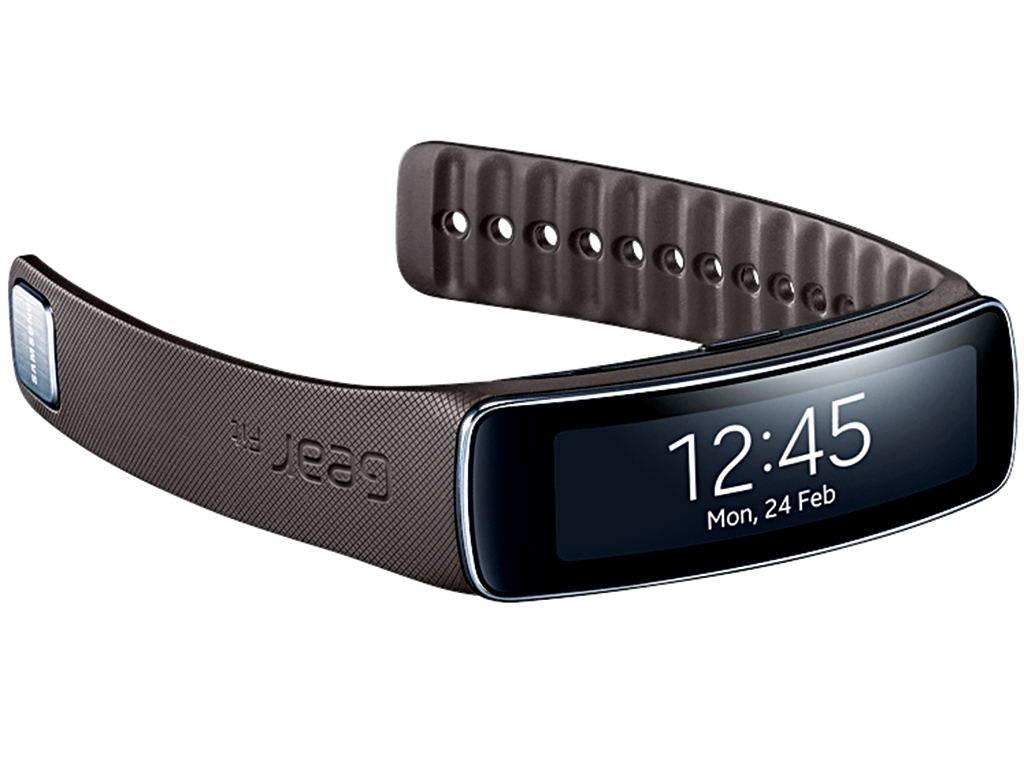
smartwatchFor many decades, children – and possibly some adults – have imagined themselves being able to discreetly speak into their watches as though they were mobile phones, much in the same way comic-book hero Dick Tracy could. Created by Chester Gould, Tracy was a police detective able to communicate with his colleagues via a ‘2-Way Wrist Radio’. Smartwatches have been around for some time, but usually in quite basic forms. More recently, Nike’s Fuelband has given joggers the ability to track their performance, while the Kickstarter-funded Pebble is a pretty basic platform of applications that nonetheless demonstrates the possibilities of the technology. While making phone calls from your wristwatch has yet to truly take off (though some products do allow it), the coming year may prove to one be of great excitement for budding police detectives; it’s long been rumoured Apple is working on its own smartwatch (said to be called the ‘iWatch’) that will sync with the wearer’s iPhone and allow calls to be answered through the wrist device. While it’s unclear how popular such a device would be, Apple is certainly the company most capable of turning it into a mass-market product – and exciting Dick Tracy fans around the world.

Chess-playing computers

HalWhile sentient computers are, hopefully, a long way from becoming reality, intelligent systems capable of reacting and strategising have been around for quite some time. There is no clearer example of this than computers capable of playing chess. Such a complicated game is renowned for requiring patience, forethought and strategic thinking. The idea of creating a machine capable of challenging humans has been around for centuries, including a number of hoaxes in the 18th and 19th centuries that hid human players inside seemingly intelligent machines. However, it wasn’t until Kubrick’s 2001: A Space Odyssey showed the supercomputer HAL playing chess against a human opponent that computer companies were inspired to design a computer capable of taking on the world’s best chess players. In the film, HAL easily defeats astronaut Dr Frank Poole. Such was Kubrick’s enthusiasm for chess that he took great care to ensure the scenes were entirely accurate. There were a number of failed attempts to match the fictional feat until, in 1997, IBM’s Deep Blue supercomputer defeated World Chess Champion Garry Kasparov three and a half matches to two and a half.

Mobile phones
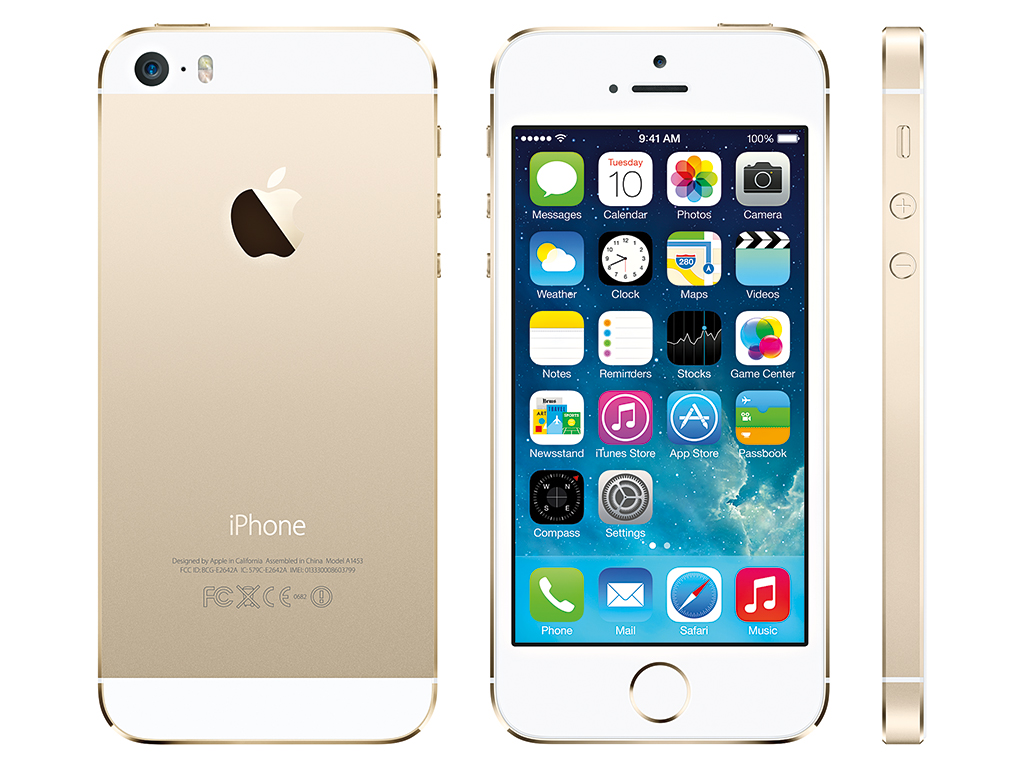
mobile-phonesOften cited as one of the most forward-thinking television shows in history – and cause of many grown men to embarrass themselves with their in-depth knowledge of alien languages, uniforms and starship registrations – Star Trek imagined an early form of mobile phone. The ‘communicator’ used by Captain Kirk and his crew inspired mobile phone inventor Martin Cooper to design a portable cellular phone in the early 1970s. In 1973, his work as Motorola R&D Director led to the world’s first mobile phone, and he used his first phone call to goad competitors Bell Labs – owned by AT&T – by calling them from the streets of New York City. Cooper’s somewhat clunky design has been refined over the years and is now an essential part of virtually every human being’s life. He has said the inspiration he took from Star Trek was clear: “That was not fantasy to us, that was an objective.”

The internet
the-internet

Perhaps the most revolutionary invention of the last century, the internet has transformed the lives of everyone on this planet. However, while it was properly developed during the 1980s – coming into public use the following decade – a concept with remarkable similarities was first mooted by Mark Twain in 1898. His short story From the “London Times” of 1904, described a phone system created to share information over a worldwide network. Given the not very snappy name of the ‘Telelectroscope’, Twain’s invention was remarkably similar to the World Wide Web British computer scientist Tim Berners-Lee designed in the early 1980s. However, Berners-Lee has cited another literary work as the inspiration for the web: written in 1964, Dial F for Frankenstein by science fiction novelist Arthur C Clarke (who also wrote 2001) described a platform that allowed computers to communicate with one another. Berners-Lee admits to reading the book in his youth, but has also stressed the outcome of the story – in which the computers become autonomous and wrest control of communications satellites from humanity – was not what he was hoping to achieve.

The tablet computer

tabletWhile Apple guru Steve Jobs was hailed as the genius behind the tablet computer when he unveiled the iPad in 2010, a strikingly similar design was shown nearly 40 years earlier – once again in 2001: A Space Odyssey. Two astronauts are shown watching footage on rectangular screens that look remarkably like iPads. In the novel – which he wrote concurrently with the film’s screenplay – Arthur C Clarke describes touchscreen computers called ‘newspads’. These were, again, very similar to the tablets and e-readers widely used today. While the links to Clarke’s designs are clear, there are also similarities to a touchscreen device seen in Star Trek. The PADD, or Personal Access Display Device, was seen throughout the franchise’s television series and movies during the 1990s: touchscreen control panels used by the crew of 24th-century starships. While Jobs didn’t explicitly say Apple had been inspired by the TV show, the film he chose to show off the iPad’s screen capability was… the most recent Star Trek movie.

Organ transplants

FrankensteinFrankenstein is cited by some as the first science fiction novel. In Mary Shelley’s 1818 book, scientist Victor Frankenstein uses dead body parts to build a man, bringing him to life with a powerful electric current. While such an extreme feat has yet to be achieved, transplanting body parts from one human to another has been possible for some time. Transplants have been attempted for centuries, but the ability to make host bodies accept donor organs has only come about in the last 100 years.

Dr Richard H Lawler of Chicago achieved the first successful kidney transplant in 1950, and in 1967 Christian Barnard performed the first heart transplant, in South Africa. It is thought Shelley’s story had a huge influence on the idea of organ transplantation, and her idea of using electricity to animate a body could be seen as a foreshadowing of the defibrillator. Such innovations have proved vital in saving lives the world over.

Taser

TaserSupposedly the most advanced non-lethal weapon the police have at their disposal, the Taser has been the bane of street criminals’ lives ever since it was introduced in the 1970s. Invented by NASA researcher Jack Cover, the device pumps electrical current into its target, causing strong stimulation of the sensory and motor nerves, leading to involuntary muscle contractions. Such has been its success that a 2009 study showed officer injuries fell by 76 percent when a Taser was used, and surveys of police show as many as 75,000 lives have been saved by using the weapons (or so the manufacturers claim). The concept of an electric gun came from one of Cover’s favourite novels, Tom Swift and His Electric Rifle. The book describes the titular hero Swift, a genius inventor, as he travels through Africa, while at the same time inventing an electric rifle. Cover was such a fan of the idea of an electric rifle that he named his device after the book: ‘Taser’ is an acronym, standing for ‘Thomas A Swift’s Electric Rifle’.

Credit cards

credit-cardFirst described by novelist Edward Bellamy in his 1887 utopian book Looking Backward, the credit card has become yet another integral part of people’s lives. A college-dropout who would become obsessed with writing science fiction, Bellamy briefly worked in law before dedicating his life to literature. In what became one of the best-selling American books of its day, Bellamy used the term ‘credit card’ as a means of paying for a citizen’s dividend from the government – as opposed to the loan facility they provide now. However, the little slip of plastic in your wallet is pretty close to Bellamy’s description of “a credit card issued [to] him with which he procures at public storehouses, found in every community, whatever he desires, whenever he desires it. This arrangement, you will see, totally obviates the necessity for business transactions of any sort between individuals and consumers”.
Mauritius’ Cyber City attracts business from across the globe

Mauritius, an island of 1860sq km in the Indian Ocean, has since independence in 1968, transformed itself from a monocrop to a diversified economy.  The GDP per capita has grown rapidly from $550 in 1970 to $15,600 in 2012.

Considering the island is devoid of any mineral or other natural resources – except for its exquisite beauty as a paradise island – it has made tremendous progress. It has taken every opportunity offered by international economic agreements such as the sugar protocol, the Lomé Convention, Africa Growth and Opportunity Act (AGOA).

In 1968, sugar and its by-products made up more than 90 percent of Mauritius’s total exports of goods: by 1990 it had fallen to 32 percent, and by 2012 to 4.5 percent.  The modernisation and diversification of the Mauritian economy started in 1970 with the creation of a manufacturing industry, which, with the support of the Africa Growth and Opportunity Act, was able to compete with global rivals.

18,000

tourists visited Mauritius in 1970

970,000

tourists visited Mauritius in 2012

The tourism and financial services sectors have proved to be new and important contributors to the growth of GDP. Tourist arrivals have soared from 18,000 in 1970 to 970,000 in 2012; luxurious beaches with a legendary Mauritian hospitality played the trick.

The financial sector now contributes 13 percent of the GDP, thanks mainly to a multi-lingual population, political stability and a reliable legal framework that has provided sound financial regulations. As an example, through a double taxation agreement with India, investment flows routed through Mauritius are the main driver of foreign capital flows into India.

Raising the towers
The latest stage of growth for the Mauritian economy has been the transformation of the ICT sector into one of the main pillars of the economy, making the island a preferred ICT-BPO destination. Against this background, Business Parks of Mauritius Ltd (BPML) was created in 2001 as a government-owned private company to spearhead the development of ICT by providing state-of-the-art facilities for advanced software promotion and IT-enabled services on a par with the best in the world.

The most visible manifestation of Mauritius’s push to become an ‘information society’ was the Cyber City Project set up by BPML in 2003. The aim of the Cyber City has been to make Mauritius the preferred destination for business and professionals, and to create wealth and employment through the use of information technology. The Cyber City is a modern development on a site of 152 acres, strategically located at the centre of the island at Ebene and provided with world-class facilities. Five distinct zones comprise the Cyber City: the Cyber and Multimedia Zone; the Business and Finance Zone; the Knowledge Centre; the Commercial Zone; and the Residential Zone.

The first initiative of BPML in the development of the Cyber City was the construction of a Cyber Tower, an ‘intelligent’ building of 12 floors. Facilities within the building compare favourably with the best in the world. Upon its completion in 2005, the Cyber Tower was awarded the Intelligent Building of the Year award by the Intelligent Community Forum of New York, from 250 applications received. This prestigious award – the first for a building of its type in the African region – played an important role in placing Mauritius on the map as a regional business hub.

Within six months of its construction, the Cyber Tower attracted flagship companies such as Accenture, Huawei, TNT, Orange, Microsoft, Infosys and Hinduja. The 40,000sq m of office premises were fully occupied within a year and BPML soon began work on a second building, Cyber Tower 2.

Today, the Cyber City managed by BPML, comprises some 40 hi-tech buildings covering a total constructed floor area of 500,000sq m. The ICT sector contributes seven percent of Mauritius’s GDP, while at the same time creating high-end employment for over 20,000 people. BPML has played a major part in the resounding success.

Further modernisation
Following the success of the Ebene Cyber City, BPML has taken the initiative to develop a new business park at Rose Belle, near the airport in the south. This new project is another modern development with state-of-art infrastructural facilities. ICT-related activities, as well as hi-tech manufacturing, light engineering and pharmaceuticals, are being aggressively promoted in this park. A forthcoming BPML business centre in the north of the island will provide job opportunities for school leavers and IT graduates from the region.

BPML has developed and promoted the business parks in a number of ways: fully serviced land is made available to promoters either on long-term lease basis or by outright sale on freehold basis; and office premises, industrial space and commercial areas are also rented out to businesses at affordable rates.

BPML is a torchbearer in the development and management of business parks in the region. It has already entertained and assisted a number of government agencies, as well as private entities from the African continent – sharing the secret of its success and how it has flourished as a company.

Sports industry must promote women into more leadership roles

It is a truth universally acknowledged that former athletes make the best managers and sports executives. But when it comes to female executives that is certainly not the case. Despite female executives gaining ground and shattering the glass ceiling in almost every other industry, sport remains all but impenetrable to even the most talented and qualified leaders.

Though there has been a concerted effort by governing bodies in Europe to promote the advancement of women into positions of leadership, the sports industry as a whole remains structurally sexist. Research suggests women’s sport attracts only 0.5 percent of advertising revenue: in the US, WNBA players make 10 to 20 times less than their male counterparts.

With these challenges in mind, UEFA has launched the Women in Football Leadership Programme, which has as its aim the advancement of women in executive roles in sport. This move came off the back of Karen Espelund’s appointment as a full-member of the UEFA Executive Committee and Chair of the Women’s Football Committee. Yet, despite her success and UEFA’s positive initiative, the number of women in charge of men’s football clubs or administrative bodies remains negligible.

0.5%

of advertising revenue goes towards women’s sports

“Equality and integration are both essential to the development of the football workforce,” Espelund told UEFA. “Football has come a long way over the last few years, but there is still an evident lack of women in top-level positions. More needs to be done to change perspectives and increase opportunities.”

Outside UEFA, there have also been modicums of change. In the UK in particular, women have been rising to top positions within the industry. As CEO of UK Sport, Liz Nicholl oversees the development of the Olympic and Paralympic sports at a national level; the BBC’s Director of Sport is Barbara Slater. However, when it comes to the private sector, the number of women in charge is far lower. In fact, apart from Karren Brady, West Ham United’s Vice-Chair, and Margaret Byrne, CEO of Sunderland FC, there are few notable executives.

Not enough
“With football, the biggest challenge that you have in getting women into executive positions is that traditionally these roles were given to former footballers,” says sports commentator Liseli Sitali. “It is quite hard for people in that industry to get used to the idea that women could hold those posts – because of tradition. That is how they justify their discrimination.

“A lot of the people you find entrenched within football clubs are former players who are males, so they have been used to an all-male environment. They have never worked with a female manager before, all their trust and all their experience of the sport comes from working with males. When women come on board it is a bit of an anomaly, but they do phenomenally well.”

But the tides might be about to change, as, increasingly, women are assuming positions of power. “FIFA is setting a great example,” says Sitali, referring to the recent appointment of Lydia Nsekera as the first ever female member of the Executive Committee. “If they start to give women more influential positions where they are overseeing tournaments, it will show that women are just as, or even more, capable because they are not as entrenched in tradition, of running these sports successfully.”

Despite Nsekera’s appointment coming only after FIFA included a provision in its 2013 Statutes that a woman must be included in the Executive Committee, she says she is committed to “inspire women to believe they can lead, I will push them to let their girls play football because it is a school of life, and I will support women in the Member Associations”.

Investing for the future
It will be a slow gradual process, though, according to Sitali. “There are more and more women in sport and sports media, but the reaction that I get when I tell people I write about sport is still one of shock,” she says. “It is a paradox. To think of a woman writing and being analytical about sports is still not the norm. It will take time, the more women continue to write and get involved the better. It just will take time until this is commonplace, just like many years ago there were few women working in high-profile finance jobs, but now you have Christine Lagarde and people like that. We just have to be patient.”

On a fundamental, structural level, sport continues to be associated with masculinity. For women to be successful in sport, they will have to continue to push their way in, be it in the media, on the court or in the boardroom. As more and more women continue to fight for representation in the industry, they will continue to carve the way for future generations. But it is also a question of money, and while investment in women in sports continues to be limited, viewership will remain smaller than it is for male competitions. For real change to occur, sports enthusiasts will have to start demanding to see more women on their screen and in charge of their teams.

Youtube upsets independent record labels with subscription service

The Google-owned company has upset a number of independent record labels by asking them to sign new licensing agreements as they launch a subscriber-based service.

Rumoured to be called YouTube Music Pass, the service is due for launch later this summer, and offers customers a tier-based system – rather like that of Spotify – where they can pay a small fee in order to access and download music or videos without advertisements.

Youtube will begin removing videos by independent record labels in the next few days

So far 95 percent of the music industry has agreed to the new terms, according to Robert Kyncl, Youtube’s Head of Content and Business Operations. Signees include Universal Music Group, Sony Music Entertainment and Warner Music Group.

However Youtube’s new service has riled many independent record labels, many of whom consider they have been offered “unfavourable terms”. Alison Wenham, CEO of Worldwide Independent Network, said YouTube is “making a grave error of judgement in misreading the market”, adding that independent record labels worldwide were “disappointed at the lack of respect and understanding” shown by the company.

Labels that have declined to sign up for the deal include XL Recordings, who manage artists including Adele and The xx, and Domino, whose artists include Arctic Monkeys.

Trade body IMPALA – which represents labels including 4AD, Cooking Vinyl and Domino – has appealed to the European Commission, suggesting that YouTube’s latest move is an abuse of its dominance over the music industry.

Youtube will begin removing videos by independent record labels in the next few days, unless they agree to the contract. The new licenses could prove problematic in cases where artists are represented by multiple labels. For example, Adele is represented by XL Recordings in the UK, but Sony Music’s label Columbia in the US.

In recent months music streaming has become a highly competitive area, which rivals Amazon and Apple have, too, tried to gain the foothold over.

JenLab’s non-invasive technology could end surgical biopsies

Millions of biopsies are taken every year in hospitals and ambulances around the world for diagnostic purposes. The removed tissue is chemically treated, sliced into 0.01mm-thin histological sections, and stained for evaluation on a subcellular level by pathologists looking through a light microscope. Typically, the patient will receive the diagnosis after several days to one week. This traditional method is costly, time-consuming, laborious, invasive and painful.

It would be a revolutionary step in clinical diagnostics – specifically histopathology – if the tissue in question could be examined with the required high-resolution tomograph non-invasively: meaning non-destructively, without any surgical intervention. This painless examination should occur quickly within seconds or at the most, minutes. It would be ideal if these ‘biopsies’ could be obtained without any labelling while in their native microenvironment, and with information on its chemical composition and physiology, such as its metabolic status.

A major application is the early diagnosis of
skin cancer

Such in vivo histology becomes a reality with the use of femtosecond laser-based multiphoton tomographs. These new clinical imaging tools can provide rapid, scar-free and label-free optical biopsies with chemical fingerprints and superior subcellular submicron resolution. In fact, multiphoton biopsies have at least 1,000 times better resolution than conventional ultrasound, X-ray or MRI images.

How it works
Fermtosecond laser systems have so far been used in refractive eye surgery but not in medical diagnostics. JenLab’s multiphoton tomographs are the first certified medical femtosecond laser diagnostic tools.

The novel tomographs provide a rapid microsopic view into the skin and other tissues by fast-scanning tightly focused near-infrared beams with 80 million laser pulses per second. The mean laser power is equivalent to that of a laser pointer. The beams excite intrinsic biomolecules to emit fluorescence as well as other weak signals that can be detected with single photon sensitivity.

During scanning, high-contrast images of the intratissue architecture appear immediately on the screen of a monitor. The patient can watch their cells, nuclei and organelles immediately on the screen. An optical tissue section takes only seconds: the patient and the doctor can monitor single cancer cells, inflammation sites, the migration of repair cells, the distribution of melanin pigments and even single elastin fibres and the collagen network.

Multiphoton effects were predicted by the PhD student and later Nobel Prize winner Maria Göppert more than 80 years ago. It took 30 years to prove her theory, using lasers that were invented in 1960. A further three decades were required to develop the first two-photon laser microscope in 1990. Nowadays, JenLab’s tomographs make the transition from the lab to the clinical bedside.

Chemical imaging is mainly achieved through a non-linear process called Coherent Anti-Stokes Raman Scattering (CARS), based on molecule vibrations such as with C-H bonds of lipids. The chemical contrast is generated by a titanium-saphhire laser and a photonic crystal fibre that produces an ultrabroadband laser beam.

Practical applications
Besides imaging tissue morphologies and chemical decomposition, functional imaging is feasible due to the fact that biomolecules such as NAD(P)H are involved in cellular metabolism, acting as biosensors. The NAD(P)H level correlates with age. Reactive oxygen species – produced through means such as UV radiation – result in a decrease of NAD(P)H fluorescence, whereas antioxidants provided by healthy food or certain recent anti-ageing products increase autofluorescence. The University of California employs JenLab’s flexible tomograph to study skin physiology and oxygen consumption, while Procter & Gamble uses it to test the next generation of its Olay products, which increase NAD(P)H levels.

A major application is the early diagnosis of skin cancer. Hospitals in Irvine, Brisbane, London, Modena, Nizhny Novgorod and Berlin are employing the recently developed tomograph to detect black skin cancer on a sub-cellular level. Scientists at the Charité in Berlin – the largest hospital in the Eurpean Union – perform in vivo CARS studies on cancer patients, as well as to detect intratissue chemotherapeutics that may cause hand-foot syndrome. Other dermatologists use the tomographs as personalised medical tools to optimise the treatment of dermatitis and actinic keratosis.

JenLab’s tomographs, in combination with microendoscopes, have recently been used in operating theatres during neurosurgery and were able to obtain rapid in situ multiphoton sections from brain tumours. The aim is to obtain direct information on the exact borders of tumours, for precise microsurgery without time-consuming, conventional pathological examinations of physically removed brain biopsies.

The flexible tomograph has also been employed in San Diego at the AntiCancer company to explore potential cancer treatments based on engineered bacteria, as well as the completely non-invasive observation of stem cells within hair follicles.

Journey into space
Major clients of JenLab include cosmetic companies. For the first time they can monitor the in situ accumulation of active compounds and carriers, as well as their interactions with skin components. This is even possible in the forehead and eye regions, and over long periods of time (up to three months). Cosmetic research includes testing the biosafety of sunscreen nanoparticles, which should not penetrate deep to enter blood vessels, as well as to study anti-ageing effects such as the stimulated biosynthesis of collagen. JenLab’s multi photon tomographs are able to define the skin age parameter SAAID by measuring the ratio of elastin to collagen. The SAAID index of a young girl who smokes heavily or regularly visits tanning salons is similar to that of a middle-aged woman.

One of JenLab’s most exciting ongoing multiphoton studies is its collaboration with NASA and the European Space Agency (ESA) in evaluating skin ageing effects in astronauts who are working for half a year at a time on the International Space Station. Skin problems such as dryness, rashes, itchiness, loss of elasticity, thinner skin and slow healing rate are the most commonly described negative impacts on astronauts’ health during space flights. Besides the lack of gravity, astronauts face a significant amount of exposure to extraterrestrial radiation. Furthermore, bioparticles from their own skin tissue – as well as that from other crew members – can cause allergic skin reactions.

The life span of a skin cell is approximately four weeks; meaning skin is renewed once a month – at least on Earth. Scientists involved with ESA-Project Skin B hope to answer the question of how astronauts’ skin regeneration is affected. Your skin will age faster than on Earth, but astronauts may develop more efficient cell regeneration and healing rates upon arriving back home. It is a good opportunity to study the use of skin protective agents containing antioxidants.

Currently, astronauts provide multiphoton biopsies prior to launch and immediately post-flight. For future interplanetary travel, it will be necessary to measure the effects of cosmic rays, biocontamination and microgravity effects while on board. JenLab is working on a device for the next generation: a compact, easy-to-use imaging device for applications both on Earth and in space that can be used to monitor medical risks via optical tissue parameters. Their plan also includes testing this device at high-altitude mountain levels prior to going extraterrestrial.

SolarCity to open giant plant in NY; Musk’s solar revolution begins

News that US solar power firm SolarCity will open its own plant in the state of New York has been welcomed by industry specialists as a sign that solar energy is set to finally take off. On Tuesday, Elon Musk, the serial entrepreneur and founder of SolarCity, announced that the firm would be buying panel maker Silevo for $350m, resulting in a new factory in Buffalo, New York, and the creation of 1,000 new jobs.

It’s an encouraging sign for the industry, after a number of years of bad news. The pessimism that has struck the US solar industry in recent years has been caused by a combination of company failures, subsidy cuts and price competition from Asia.

It’s an encouraging sign for the industry, after a number of years of
bad news

SolarCity’s move into producing panels is significant, as it has, until recently, merely purchased panels from other manufacturers. There has been a trend for manufacturing to shift to Asia as a result of cheaper production costs. In particular, the trend has led to the US and EU complaining vociferously to their Chinese counterparts over Chinese firms avoiding trade tariffs and selling cheaper panels.

Speaking to The New Economy, Ben Goldsmith, founder of environmental investment firm the WHEB Group, said that Musk’s commitment to solar energy should be applauded, and that the industry was set to cause a revolution in global energy. “The arrival of cheap, competitive, never-ending solar power has taken the world by surprise, and brings with it a revolution in the power industry. Elon Musk is at the forefront of that revolution. He is nothing short of the Thomas Edison of our day.”

Announcing the deal, Musk and his two co-founders, Peter and Lyndon Rive, said that the deal would help push the industry forward. ‘What we are trying to address is not the lay of the land today, where there are indeed too many suppliers, most of whom are producing relatively low photonic efficiency solar cells at uncompelling costs, but how we see the future developing. Without decisive action to lay the groundwork today, the massive volume of affordable, high efficiency panels needed for unsubsidized solar power to outcompete fossil fuel grid power simply will not be there when it is needed.’

10 of the most dangerous countries to be a woman

News earlier this month that a fourth woman had been killed by hanging in India’s Uttar Pradesh state highlights how treacherous certain parts of the world can be for the female population. We look at some of the most shocking instances of gender inequality, compiled using data from the Thompson Reuters Foundation, the World Report 2014 and the Foundation for Sustainable Development.

Afghanistan
From an early age, life’s a struggle for Afghan girls, with 87 percent left illiterate and 70-80 percent forced into marriages (54% of girls aged between 15-19 are married, according to UNICEF).  Having a family can be an ordeal in itself: with a maternal mortality ratio of 400 in 100,000 (vs 8 for the UK), and cases of domestic violence high. Afghanistan’s courts make it notoriously difficult to prosecute the latter too, as family testimony is banned.

The Democratic Republic of Congo
Congo has one of the worst records of gender based violence (GBV), with the American Journal of Public Health estimating that 1,150 women are raped every day – equating to 420,000 a year. Health outcomes are inadequate for women too, with 57 percent of pregnant women reported to be anaemic.

Pakistan
Many of Pakistan’s cultural and religious practices pose a huge threat to women, particularly child and forced marriage, acid attacks and punishment by stoning. According to Pakistan’s Human Rights Commission, more than 1,000 girls and women are victims of ‘honour killings’ each year, and 90 percent face domestic violence.

India
Despite having the world’s largest democracy, famous examples of gang rape and hangings demonstrate what a perilous place India can be for women. Researchers estimate that there have been 50 million cases of female infanticide or foeticide over the last three decades. And even if you get to live, child marriage and high levels of trafficking still cast a shadow over the safety of females.

Somalia
High maternal mortality, rape, female genital mutilation (FGM) and child marriage are just every day concerns for a woman living in Somalia, a country typified by its lack of law and order. 95 percent of Somalia’s female inhabitants face FGM, usually around the ages of four to 11, and in their child-rearing years, only nine percent can expect to give birth in a health facility.

Colombia
GBV in Colombia is alarmingly high – in 2010, The National Institute for Legal Medicine and Forensic Science reported 45,000 cases of domestic violence against women. Still, few organised systems exist to help women and girls needing post-violence care, meaning that many do not receive appropriate medical treatment. To add insult to injury, it’s rare for GBV perpetrators to be brought to justice.

Egypt
The systematic sexual harassment of women and girls throughout Egypt is something that even casual visitors may have experienced. GBV and harassment increased in the wake of the Egyptian Revolution of 2011. In January, Egyptian groups reported that there were 19 cases of mob sexual assaults, with one victim raped with a bladed weapon. One of Egypt’s main failings when it comes to supporting women is its judicial system, which does not criminalise domestic violence, and ignores their rights when it comes to marriage, divorce, child custody and inheritance.

Kenya
Despite carrying out the majority of the country’s agricultural work, Kenya’s female inhabitants only receive a small part of the income they generate. In fact, just 29 percent of those earning a formal wage throughout the country are women. Educational prospects for girls are dreadful, as they are taught at an inferior level to their counterparts. Even worse, HIV infection rates are more prevalent among the female populace – partly due to the lack of control women have over their sex lives.

Mexico
With 4,000 cases of women disappearing in 2011-2012, and 22.7 murders for every 100,000 in Chihuahua state in 2012, you’d think the Mexican government and police would do everything possible to protect their inhabitants. Sadly women are massively let down by Mexico’s legal system, which does not protect against domestic and sexual violence. There are certain punishments set out for perpetrators of sexual violence against women, however judiciary officials often weight up the latter’s chastity when it comes to deciding a sentence – contradicting international standards. The unfortunate outcome of all of this is that few women come forward to report sexual offences. And when they do, they are frequently met with suspicion, apathy and disregard.

Brazil
For a country with many things going for it, Brazil has some troubling statistics. Reports indicate that every 15 seconds a woman is assaulted, and every two hours a woman is murdered. Brazil also has a bad record when it comes to reproductive choice as its criminal code bans abortions – except in cases of rape, or where it is physically dangerous to have the baby. Women who do not meet these exceptions and have an abortion can face up to three years in jail.

The case for and against wearable technology

JulesConcerns over wearable tech are paranoid scaremongering. Don’t let baseless suspicion hold back advances
The advent of wearable technology is upon us, and with it an increase in the paranoid utterings of self-important technophobes who think Orwell’s surveillance state has also arrived. Such has been the distress caused that a tech-enthusiast wearing a pair of Google’s new camera glasses in a San Franciscan bar was reportedly “verbally and physically assaulted”.

As the day when Google Glass becomes widely publicly available gets closer, many people claim it is yet another sign that major technology companies are gaining a huge amount of access to information about the habits of users and the people around them. But these concerns simply aren’t justified.

All this hysteria over Google Glass seems to stem from the idea that people are constantly recording what they’re looking at, infringing on other people’s privacy. However, is it any different to a CCTV camera in a public place? One could even argue smartphones and the high quality cameras they come with constitute a similar intrusion into people’s lives. It is highly unlikely someone with concerns over a person wearing Google Glass would condemn a tourist taking a photo they happened to be in for infringing on their privacy.

One potentially brilliant outcome is the crime-stopping possibilities wearable technology could bring

One potentially brilliant outcome is the crime-stopping possibilities wearable technology could bring. Police around the world have often been embroiled in scandals that have come down to trusting what a police officer has put in a report. In Rialto, California, 70 officers have worn small body cameras that record what is going on around them. As a result, complaints against the police have plunged by 88 percent, while officers’ use of force has fallen by 60 percent.

There are a colossal number of benefits that wearable technology can bring to people. It’s expected Apple’s much-rumoured iWatch smartwatch will be launched in the third quarter of this year, with its key features revolving around a whole series of health-tracking capabilities. A number of sensors built into the watch will allow a user to monitor signs including hydration levels, heart rates, blood pressure, glucose levels, and how much exercise they’re doing. By transmitting that data to an app – reportedly dubbed ‘Healthbook’ – the user will have a full and accurate analysis of their health, making important decisions that could save them in the future far easier.

This is also a big step for the health industry. Accurately analysing an individual’s lifestyle could mean medication can be more efficiently prescribed, while trends in what causes illnesses can be more easily identified. To businesses, this could also be huge; insurance companies will be able to tailor policies specifically to individuals, allowing savings to be made on both sides.

The iWatch has been touted as Apple’s next revolutionary product. A report by analysts Sanford C Bernstein last year put the potential sales figure at around $2.3bn a year – not even including the profits from the further integration of someone buying a smartwatch into Apple’s addictive ecosystem of products.

While many people may scoff at the idea of wearing smart glasses or watches, such technology is coming and will be commonplace fairly soon. Instead of complaining about misguided privacy concerns, the world should embrace a wave of technology that could dramatically improve society as a whole.

Sandra

Just because people don’t mean to invade the privacy of others doesn’t mean they’re not. We’re taking a big blind step

Wearable tech is supposedly on the cusp of a global boom, set to equip everyone’s arm, face and bum with clothing that can reveal everything from the amount of plaque on one’s teeth, to how we sleep, while taking pictures as you blink. Innovations such as Google Glass and Intel’s Edison have been heralded as revolutionary to healthcare, but wearable tech has also spurred on concerns about privacy and safety. We’re nowhere near understanding the consequences or benefits of these tools.

The biggest concern is the automated functioning of wearable tech, which many consider an invasion of privacy. Google Glass is equipped with a camera, which, when prompted to do so, can take pictures every time you blink – no flash, no warning. While many herald this ability to capture unique moments in real-time as the tool’s greatest asset, others argue it is its greatest flaw. What’s to prevent any Glass-wearer from recording and broadcasting intimate conversations, state secrets or private moments? Some may appreciate the attention, but being pixelated unwittingly while cheating on your spouse or dealing with a top-secret merger hardly seems like something any of us would appreciate.

Also, don’t forget the security concerns attached: if everyone has wearable tech then politicians, popes and policemen will all have to equip themselves. Which raises the necessary question, in an age of terrorism, do we really want to be able to monitor every movement of VIPs? That said, there are no laws against wearing Google Glass and no one can forcibly take them off your head – no matter how threatened or violated they may feel. It’s an unregulated field.

Financially speaking, wearable tech is also a hyped-up investment

Financially speaking, wearable tech is also a hyped-up investment. The market is valued at $3-5bn, but is only set to sell 10 million devices in the coming year. That compares with one billion smartphones sold in 2013. The slow sales come down to the many big and unresolved problems, such as price, battery life, utility, design and, of course, privacy. One well-known industrial designer, Marc Newson, even went so far as to say he wouldn’t be caught dead wearing Glass, complaining it makes the user look like a “complete dick”.

Proponents of wearable tech point to the possibility of putting communicative technology in everything from your watch to your underwear. However, wearable tech such as Google Glass and the much-anticipated iWatch have not yet been publicly launched, so we’ve only seen early-stage reactions. Preliminary security concerns include the distracting characteristic of such tools: with phone-related car accidents on the rise, for instance, who’s to say what the impact of talking watches and Facebook flashing across your eyes will have on your driving abilities?

Finally, it’s worth making a soft argument against wearable tech too. In a time when we’re already considering whether the TV, internet and smartphones are ruining our ability to fantasise, converse and think on our own, the thought of wearable tech that tells you where to go and when you need to pee, and which will download your emails at the blink of an eye, is a saddening one. Digital technology may be here to stay but wearable tech is still at the testing stage and people would do well to consider the consequences before heralding all the benefits.

US and Russia race to become energy world leader

The discovery of shale gas in the US and the breakdown of Ukrainian sovereignty has sent shock waves through international energy markets. New energy sources such as shale and methane hydrates are putting pressure on major energy players such as Saudi Arabia and Russia to cut their prices to competitive levels. But with more European countries eager to free themselves from Russian energy dependence following the civil unrest in Ukraine, the US could very well be the next world energy leader.

Domestic production of natural gas and crude oil in the US is growing, with crude oil production approaching the 1970 historical high of 9.6 million barrels per day. According to an early release of the 2014 Annual Energy Review from the US Energy Information Administration (EIA), annual oil growth will average 0.8 million barrels per day through 2016. More impressively, natural gas production is growing steadily thanks to the rise of hydraulic fracturing, with a 56 percent increase predicted between 2012 and 2040, when production will reach 37.6trn cubic feet.

US natural gas production

39%

increase in production since 2011

56%

predicted increase 2012-40

37.6%

predicted production in 2040

The US path to energy mastery is further strengthened by the closure of European refineries: 15 have shut in the past five years, with one more due to close in 2014. This has allowed the US to make the transition from being dependent on European fuel to being its main importer. Furthermore, cheap oil from the Rocky Mountains, where output has grown 31 percent since 2011, is allowing the US to cut back on imports of pricier oil from countries such as Nigeria, Saudi Arabia and Venezuela. Nigeria, for example, used to send a dozen super tankers of crude oil a month to the US and now ships fewer than three.

The “shale gale”
Most of these good tidings come down to the exploitation of shale, which has led to an impressive energy windfall for the US. Advances in extracting oil from shale rock have led to a 39 percent jump in US production since 2011, the steepest rise in history, according to the EIA. However, drilling in shale is more expensive than traditional energy development methods and many environmental concerns are still left unanswered.

For instance, a recent report on the environmental impacts of shale gas extraction in Canada revealed: leaks around boreholes remain an “unresolved problem” in the shale gas industry; that not enough monitoring has been conducted around shale gas wells to properly assess the risk of natural gas leaking into groundwater; and that potential human health risks associated with shale gas development “are not well studied”, particularly in the US, where gas extraction has proceeded in large and relatively populous areas.

However, despite concerns about the environmental impact associated with shale extraction, the prospect of an infinite supply of gas is encouraging the US to become less energy-dependent. The EIA even went so far as to call shale gas a “game-changer” for the US energy market.

“The US could become a leading provider of natural gas, beating Qatar, but an oil resurgence in the US is not as likely,” explained Edgar van der Meer, an analyst at the global energy consultancy NRG Expert. “However, as Canada develops oil fields and oil sands exploration more, the US could become a throughput for other forms of energy than gas.”

The US is investing more money in energy development than in any other US job sector. Earlier this year, President Obama approved a terminal for liquefied natural gas exports. The first LNG port is due to start shipping to the UK, Spain and other countries in 2015, and dozens more are petitioning for export licences and clearances to build the specialised terminals. Even after including the costs of liquefaction and transport across the Atlantic, US gas prices will still be considerably lower than Russia’s at point of sale.

Beating the Russian winter
The shale boom and potential exports to Europe are particularly relevant now as the Ukrainian crisis continues to put pressure on Russian energy deliveries. Moscow currently supplies Europe with roughly a third of its energy, while many Baltic and central European countries rely almost entirely on Russian gas, oil and coal. Political analysts have suggested that Russia’s energy dominance is reason enough for Europe’s hesitation to impose sanctions following the Ukrainian invasion.

While the US has blacklisted dealings with certain Russian energy players, the EU balked at sanctioning any of Putin’s business connections for fear of the legal, diplomatic and economic consequences if Russia were to freeze energy trade. “There’s still a lot of nervousness in Europe about heading in that direction,” a senior European official involved in the EU sanctions debate told The Wall Street Journal. “They don’t want to burn bridges with the Kremlin.”

However, with the US soon able to export shale gas and oil to Europe, taking market share from Moscow could prove easier than expected. Energy accounts for as much as a quarter of Russia’s GDP and 60 percent of its exports. A stronger, energy-exporting US would diminish Russia’s political leverage and weaken its petro-centric economy.

“The US will certainly be a major pla-yer, but there are cost elements to this,” says van der Meer. “US gas cannot be piped to Europe, whereas Russian gas can. Of course, European governments may look at decreasing reliance on Russia, but this may not necessarily be replacing Russia as a supplier, but a general shift away from reliance on natural gas in the first place. The US could serve as a bridge, or a stop-gap in this case, while Europe transitions, but it’s clear that the market landscape will be changing.”

Fracking reserves have slashed natural gas prices in the US to $4 per million British thermal units in the past five years. This is less than a third of the price Gazprom charges most of its European customers for Russian gas, and well below a fifth of the rate in much of Asia.

US oil production

198bn barrels

recoverable conventional oil

9.6m BPD

US historical high

0.8m BPD

predicted annual oil growth in 2016

Blockages in the pipe
Yet obstacles remain before the US can fully enjoy the benefits of its “shale gale”. Regulatory issues, such as the Obama administration taking its time to approve LNG export licences, can seriously hinder any income generated from shale gas. Under US law, gas can only be exported to countries that have a free trade deal with the US. Exporting firms can get around this by showing they would not harm US national interests, but this is a long and tiresome process, preventing investments in shale gas infrastructure. As a remnant of the oil shortage in the 1970s, the US also bans the export of domestic crude oil.

However, if a proposed bill – H.R. 6, the Domestic Prosperity and Global Freedom Act – makes it through Congress, it would permit liquefied natural gas exports to NATO countries, which is a start. What’s more, Obama vowed to “cut red tape” within the energy sector when he gave his 2014 State of the Union Address.

“Now, one of the biggest factors in bringing more jobs back is our commitment to American energy,” said the American President. “One of the reasons why is natural gas. If extracted safely, it’s the bridge fuel that can power our economy with less of the carbon pollution that causes climate change. Businesses plan to invest almost a hundred billion dollars in new factories that use natural gas. I’ll cut red tape to help states get those factories built and put folks to work.”

Beyond regulatory concerns, fracking is still in the early development stages and the US still doesn’t have the infrastructure to fully exploit its massive reserves of shale. Investments in development and technology need to be a top priority if the US wants to be an energy super-power, argues van der Meer.

“Where there’s a will, there’s a way… Right now, we are facing mainly technical limitations. The US producers are quite free to export to and trade with Europe. What’s holding them back is liquefaction plant and tanker capacity. In particular, facilities need to be built to convert to LNG and back to gas on the receiving end.”

Asian contention
Another much larger issue is the US’ ability to appeal to Asian energy markets in light of the new deal between China and Russia. With average regional growth in GDP set above six percent for the coming years and Asian countries currently importing 30 percent of their consumption needs, the region needs an ample supply of clean, affordable energy to continue its rapid growth, and it has turned to Russia to bridge its gap between supply and demand.

After a decade of negotiations, Russian firm Gazprom – the world’s largest extractor of natural gas – signed an energy deal worth a reported $400bn with China National Petroleum Corp at the Conference on Interactions and Confidence-building Measures in Asia (CICA) in Shanghai in May. With President Putin in attendance, the deal is an important milestone in the strengthening of Sino-Russia relations, despite reports China held the advantage because of Russia’s urgent need to find new partners in the wake of EU plans to reduce trade.

The deal is a major blow to Europe and the US for both political and economic reasons, especially if countries decide the Russian rouble and the yuan have better prospects than the US dollar. If that conversion is made, the US will struggle to deliver the political clout it does today.

To add weight to Asia’s energy plan, Japan has sought to come up with a new energy blueprint in the wake of the 2011 Fukushima nuclear disaster that led to a surge in imports of pricey, natural gas. Recently, the government has been looking into methane hydrate development – an alternative to shale gas.

Stored deep in the seabed, icy blocks of gas or methane hydrates could theoretically hold more gas than all the world’s conventional gas fields, with a retrievable amount said to be twice as much as all the recoverable natural gas resources in the world. Essentially, methane hydrates raise the possibility of another energy revolution that could dwarf even the “shale gale” in the US. It could also have big implications for other energy players banking on LNG exports, such as Australia, Qatar and Russia. Because Japan and South Korea are the first and second-largest importers of LNG globally, methane hydrate development is potentially a significant long-term threat to the gas industry.

Relative gains
Adding to all this, Obama’s recent diplomatic tour of Asia has had a less than positive outcome, as key relationships with China and the Philippines have soured. Many Asian allies were expecting deals that could ensure energy trade in time for the US shale exports to be unleashed. However, US regulation continues to hinder these trade flows and, as such, the ever-important Asian energy market remains unexplored. And that loss is Russia’s gain, says van der Meer.

“China, India [and] Japan, are all countries that are growing their energy needs and Russia is situated in a way that it could become a major supplier to these nations, if the infrastructure gets redirected.”

However, if the US manages to overcome its regulatory hurdles, the world’s energy markets could become a new playground for the superpower. Methane hydrates are still in a research phase, whereas the US will begin shale exports as soon as next year.

What’s more, Obama’s administration has every reason to fight for greater development in the US energy sector. According to the EIA, jobs in the oil and natural gas industry grew by 32 percent between 2007 and 2012, even as overall employment fell 11.4 percent. Shale is boosting the US energy industry, as significant investments from Europe continue to flow in, in the hope this can drive a new energy source for Europeans.

Ahead of the US presidential election in 2016, a win in the form of a significant shale-driven improvement to the struggling US economy could prove essential for the politicians backing US gas. It is also crucial for a world eager to see a new, cheaper energy market, free from Russian hegemony.

Intel loses appeal to get €1.06bn EU fine quashed

The American chip giant has lost its appeal over a record €1.06bn (£852m) fine issued by the European Commission in 2009. The company had taken its case to the Luxembourg-based General Court in hope the penalty would be quashed, but judges there agreed with the EC’s initial verdict that Intel’s anti-competitive practices warranted it.

Europe’s second highest court found that between 2002 and 2007, Intel gave rebates to Dell, NEC, Lenovo and Hewlett-Packard to encourage the four major companies to favour its chips over rival Advanced Micro Devices (AMD), violating the EU’s Antitrust Regulation. The corporation also paid Media Saturn Holding to stock computers with its chips solely.

Intel gave rebates to Dell, NEC, Lenovo and Hewlett-Packard to encourage the four major companies to favour its chips

In response to the decision, Intel said it was “very disappointed”, adding that the company would be “evaluating the court’s judgment.” In a statement, judges presiding said: “none of the arguments raised by Intel supports the conclusion that the fine imposed is disproportionate”.

Johannes Kleis, Head of Communications for the consumer group BEUC, said the court’s decision was significant not only for Intel competitors, but consumers – who are often harmed when dominant organisations abuse their power. Kleis emphasised that practices such as those Intel engaged in can inflate prices and stifle innovation, adding that he hoped the fine would be a “deterrent for company’s looking to engage in this type of anti-competitive behaviour.”

If Intel chooses to further fight the fine – the equivalent of 4.15 percent of its 2008 turnover – the next step will be to take its case to the Court of Justice of the European Union, where it can only argue on the basis of law. The maximum fine firms typically face for breaking such regulations is 10 percent.

Four European Commission fines to remember

Getting fined by the EC can be pretty expensive. We count down four of its heftiest penalties over the past 10 years

2008: Asashi, Pilkington, Saint-Gobain and Soliver

The EC issued European glass producers Asashi, Pilkington, Saint-Gobain and Soliver fines totaling €1.3bn for sharing market information among themselves that allowed their businesses to prosper while shutting out competitors.

2012: Philips, Samsung, LG Electronics, Panasonic, Toshiba, Chunghwa and MTPD

The TV and computer monitor tube producers got into trouble with the EC after it was discovered they had formed worldwide cartels that shared information about prices, markets and customers – landing them a fine of €1.47bn.

2013: Microsoft

The EC fined the corporation €731m for restricting its users from choosing their web browsers and, instead, defaulting their computers to Microsoft’s explorer browser. This was in spite of the fact that Microsoft had signed a legally binding document in 2009 pledging they would allow consumers choice in this area.

2013: RBS, Barclays, UBS, Deutsche Bank, Société Générale, JP Morgan, Citybank and RP Martin

The eight banks were made to pay €1.4bn as a penalty for forming illegal cartels to rig interest rates, though Barclays and UBS were excused for being informants.

Net neutrality got Facebook and Google to the top. Let’s not lose it

At the heart of the internet is the concept of net neutrality: that all data be treated equally. This means that, whether downloading music from iTunes, browsing blogs or streaming movies on Netflix, ISPs must offer equal bandwidth, regardless of where that content is coming from.

Content providers who pay a premium will be given preferential treatment

Without this idea, the internet would be a very different place. Network owners in the US, such as Comcast and Verizon, would love to change the digital landscape by creating a tiered system. Content providers who pay a premium will be given preferential treatment in terms of connection speed, while those that cannot afford the fee will suffer in the slow lane. If this were allowed to happen, it would not only remove one of the fundamental tenants of the internet, but also stifle competition and innovation, while simultaneously destroying the greatest facilitator for the free exchange of information.

Back in 2005, the Federal Communications Commission (FCC) was tasked with creating a set of guidelines designed to protect net neutrality. However, in 2010, when it came to ratifying those plans, telecoms giant Verizon challenged the FCC on the grounds that it did not have the legal authority to impose the new rules. In January this year, the Court of Appeals in Washington DC ruled in Verizon’s favour and sent the FCC back to the drawing board, but they still had the opportunity to create a framework that would protect the internet and uphold net neutrality.

A new proposal
The new proposal, unveiled in May, has received much scrutiny from net neutrality advocates. The revised rules, according to The Wall Street Journal will allow ISPs to “give preferential treatment to traffic from some content providers, as long as such arrangements are available on ‘commercially reasonable’ terms for all interested content companies”. The FCC voted in favour of the new rules three votes to two. Neither Verizon, nor any other service provider chose to challenge these new guidelines, unlike its predecessor, but perhaps it’s because they finally got what they wanted: an end to net neutrality.

In a recent blog post, FCC Chairman Tom Wheeler attempted to quell concerns, declaring the internet will remain “an open pathway”. Proponents for an open internet cannot be blamed for their lack of trust in Wheeler’s words; he is a former lobbyist for the cable industry after all, and, before being appointed chair of the commission, he was the President of the National Cable Television Association – the industry’s largest political lobby group.

Comcast and the FCC
The lack of faith in the FCC to regulate the telecoms industry is well founded. There is a long history of Commission members having far too close a relationship with the companies they oversee. Former FCC Commissioner Meredith Attwell Baker became a lobbyist for Comcast in 2011 shortly after she helped it secure a merger with NBC, increasing the company’s market share and further limiting its competition. Then there is Daniel Alvarez, who was brought in to assist Wheeler. Prior to joining the Commission, Alvarez worked as an attorney representing Comcast and even wrote a letter to the FCC on behalf of the company, opposing net neutrality rules. Comcast not only built up a strong relationship with members of the Commission, but the company also extensively lobbied the House Judiciary Committee – the body responsible for overseeing justice within the federal courts – donating campaign funds to 32 of its 39 members.

Once again, the problem revolves around money being a far too prevalent force in the American political process. The US Supreme Court famously declared money is free speech when the court ruled five-four in favour of striking down limits on campaign finance earlier this year. There is nothing good to be gained in scrapping net neutrality. Without it, we would never have seen the rise of digital blue chip companies such as Facebook, Google and a host of others. The net neutrality principle facilitates an environment in which competition is fierce, and opportunity fair. If we lose this central principle, we may never see the rise of new innovative startups such as the ones that exist now, and a bastion of free speech will crumble away.

Why unconditional basic income is no more than a socialist fairytale

It’s hard to take issue with a concept that boasts equality for all and the ability to ensure a job for everyone by enforcing an unconditional basic income (UBI). In principle, the idea of giving people money, unconditional of age, employment and location, is an appealing one. At a time when youth unemployment has skyrocketed in Europe, proponents of UBI argue it provides all members of a society with the means to be truly free and will therefore bring about changes in the job market that will close the inequality gap. This is particularly pertinent as many graduates are forced into irrelevant jobs and the gap between poor and wealthy continues to grow.

To this end, a referendum has made it to the very top of Switzerland’s democratic system. Similarly, citizen initiatives are petitioning EU parliamentarians for a cross-European implementation of UBI. Even though the European Citizens’ Initiative for an Unconditional Basic Income hasn’t managed to achieve the necessary one million signatures to bring UBI to parliament, it is a startling indication of the lengths to which the people of Europe are willing to go in order to change the jobs market.

But what’s more startling is the lack of criticism of UBI. With the debate reaching EU heights, it would be wise to first examine all the possible issues related to an UBI, before heralding it as the solution to all of Europe’s economic woes.

UBI fails most financial feasibility tests

First, advocates suggest UBI would further entrepreneurialism and career enhancement by giving “the real freedom to pursue the realisation of one’s conception of the good life”, as Belgian philosopher Philippe Van Parijs has argued. They also argue a UBI will give workers bargaining power, making it easier to command a higher salary and better benefits from employers. However, the economic effects of a basic income are debatable. Critics say employers have little obligation to pay a living wage if the government is sending a supplemental cheque every month. Others argue UBI would disincentivise work, prompting younger age groups to leave the workforce if they are able to receive money for no cause.

Not economically feasible
More importantly, the case for UBI fails most financial feasibility tests. It would have to apply to everyone in order to replace social welfare benefits, and an amount high enough to support people at an adequate standard of living. If this were to be implemented in the debt-ridden eurozone or the US, it would also require a major increase in taxes. This is not something most voters are willing to support, as the increase in average and marginal tax rates would have a disincentivising effect on a large bulk of earners because they would retain far less of any additional money they earned.

In addition, higher taxes are discouraging to innovation and businesses, which may be prompted to move elsewhere, outside a UBI zone. Alternatively, if a UBI payment were to be small enough to be financed by existing tax rates, it could lead to mass starvation and poverty increases in conjunction with payments going to those in no need of assistance. A compromise would increase poverty and reduce incentives to work, all in one package. This is a cure that seems worse than the disease.

It’s also worth questioning the overall effect UBI would have on a regional or national economy. Countries would be implementing a type of subsidy that might make welfare obsolete, but which would cost billions. Few supporters of basic income have been able to prove it would be less costly for states to implement than existing welfare offerings, and, in a time of economic recovery, it seems utopian to suggest states have the economic capacity to implement a system that requires broad-based, constant funding.

What’s more, a basic income could have a detrimental impact on inflation. When guaranteeing jobs, the effect tends to be deflationary, because it depresses
wages. Conversely, a universal basic income free of sanctions and restrictions would push wages upwards, and have an inflationary effect.

Inequality will continue
Another argument for an unconditional basic income is that it would potentially discourage welfare immigration, with citizens crossing borders in order to gain access to subsidies issued in nearby countries. This type of welfare tourism is particularly common within the EU, where countries such as the UK, France and Sweden are growing increasingly concerned over the level of immigrants arriving from poorer EU states. If UBI were to be implemented across the EU, protagonists suggest welfare tourism would halt, as everyone would have the same basic income. Yet this is not realistic given ongoing disparities in overall GDP, personal income and cost of living across EU countries. In order for it to counteract welfare tourism, a UBI would have to be entirely universal and, as such, only offer the same level of income in the UK as it would in Greece, for example.

However, this does not account for differences in cost of living, or whether or not a state would even be able to afford the same level of UBI as another state would. Champions of the scheme often refer to pilot projects and research done in India and Canada, which have proven the positive effects on employment and life quality when UBI is implemented in a small society. However, such findings do not prove the effects such a system would have on a diverse, city society, for example, and it doesn’t account for varying income levels. Average income in India is set at £1,500 – far below the £25,000 plus for the UK. The means necessary to sustain UBI would therefore vary depending on population size and cost of living, and, as such, it is not realistic to envision a universal basic income across borders. Disparities would be inevitable even after UBI is implemented, and so inequality would continue.

Unreliable social contract
Now, while the economic feasibility of basic income already provides significant fodder for debate, there are also arguments related to the social contract that UBI implies. In order for basic income to work, people must live up to the social contract that implies they earn the basic income through work, but two Danish academics studying the implementation of basic income in Denmark have found such contracts may not be fulfilled.

“One of the prominent standard arguments in the Danish debate against basic income is that it is simply morally wrong to allow able-bodied people to live on public transfers without doing anything in return,” explain Erik Christensen and Jørn Loftager in their report Ups and Downs of Basic Income in Denmark.

Christensen and Loftager also argue basic income could work to keep individuals away from the labour market. “The worry is that basic income would contribute to existing marginalisation forces within society, and create a dependency upon the state that could detract from the individual autonomy of people receiving the money,” they said.

An unconditional basic income discourages career progression and innovation, could potentially have detrimental economic effects and relies on a non-binding social contract. This leaves many questions unanswered on the possible effects of UBI, suggesting a basic income is not so much a solution to all our problems, but a utopian nightmare we’d do best to wake up from soon.