Bitcoin edged closer to financial legitimacy on December 10, following its debut on the Cboe Futures Exchange. It marks the first time the digital currency has featured on a major US exchange and indicates growing levels of acceptance in mainstream financial circles.
The highly anticipated debut witnessed the value of bitcoin futures grow by more than 20 percent, with the one-month contract rising from $15,460 to a high of $18,700. The increased trading activity resulted in reduced speeds and temporary disruptions on the Cboe website, with trading forcibly halted on two separate occasions in an attempt to cool the market.
The highly anticipated debut witnessed the value of bitcoin futures grow by more than 20 percent
Excitement was understandably high, with the cryptocurrency’s value having undergone a more than 15-fold increase in 2017. However, Ophir Gottlieb, CEO of Capital Market Laboratories, told Reuters that activity in the futures market could gather even greater pace once the heavyweight financial traders get on board.
“Even if there is an institution or institutional-sized trader out there, they are going to want to make sure that the mechanics work first, just for the futures,” Gottlieb said. “I think the excitement will come when the futures market is established. That can take a few days.”
As with all futures markets, no bitcoins are actually being traded on the Cboe exchange. Instead, investors are able to buy and sell contracts that enable them to bet on the price of bitcoin falling or rising in the future. The futures listing will, however, expose more conventional investors to the bitcoin phenomenon, giving the cryptocurrency broader exposure and acceptance.
Of course, just as bitcoin supporters are welcoming its futures debut, naysayers believe it merely encourages the growth of an already emerging bubble. JP Morgan CEO Jamie Dimon has denounced the currency as a “fraud” and, if he is proved to be correct, the coming crash will be a painful one.
Just a few decades ago, meat in China was a luxury. Now, in a supermarket in Guangzhou, China, the cost of chicken pound-for-pound is around the same as that of white bread. Cheap meat, coupled with rising demand from a fast-growing middle class, is driving the Chinese meat industry to produce millions of tonnes more meat every year.
According to statistics from the OECD, the amount of meat consumed by the Chinese has already increased 34-fold since 1964. It now produces more meat than any other country in the world, consuming more than 80 million tonnes per year. This trend is set to continue over the next decade, with consumption projected to reach 144 million tonnes by 2025. It also stretches further than just China: a similar link between incomes and eating patterns can be found across the South-East Asian economies, as well as Brazil, Russia and India.
The super farm and the superbug
A recent report entitled Factory Farming in Asia: Assessing Investment Risks, written by a non-profit called FAIRR, has underscored a worrying trend that comes hand-in-hand with these changing diet patterns: antibiotic resistance. The newfound demand for meat is being met by a dramatic uptick in the number of factory farms, where hundreds of tonnes of antibiotics are dished out each year. The antibiotic-heavy techniques used in these rapidly growing industries have become a breeding ground for antibiotic resistant bacteria.
Alarmingly, even when they are used in animals, antibiotics can trigger the development of resistant bugs that can find their way to humans. “Every use of antibiotics results in a ‘subpopulation’ of bacteria that are resistant to the antibiotic. This diminishes the effectiveness of antibiotics over time and, given the slow pace of new antibiotic discovery, raises the prospect of a future in which we are no longer able to treat even simple cuts or infections,” the report noted.
According to a review by the UK Government, antibiotic-resistant infections kill more than 700,000 people a year across the world. Diseases such as tuberculosis, malaria and gonorrhoea, which once had a simple cure, are becoming increasingly difficult to treat. If current trends continue and antibiotic use goes unchecked, the number of deaths could reach as many as 10 million a year by 2050.
Calculated in economic terms, antibiotic resistance is expected to cost somewhere between $2.1trn and $124.5trn. At the lower end, this is the equivalent of the annual GDP of a large economy, such as the UK, but at the higher end, the cost would be greater than the GDP of every country combined. The severity of the situation depends on two key factors: the first is whether enough will be invested in discovering new antibiotics, and the second is whether excessive use will be curtailed. Margaret Chan, the former Director General of the World Health Organisation, has equated the problem to a ‘slow-motion tsunami’.
Antibiotic-resistant infections kill more than 700,000 people a year… If current trends continue, this number could reach as many as 10 million a year by 2050
Broken logic
Despite the creeping risk to human life, an enormous amount of the world’s antibiotics continue to be channelled into agriculture. Speaking to The New Economy, FAIRR’s Director, Maria Lettini, said that not only does this constitute a huge threat to human health, but it is also an irrational use of the world’s scarce resources: “70 percent of the world’s antibiotics go into the intensive farming supply chain. In the US, it is 80 percent.”
This imbalance is doubly illogical given that antibiotics are not generally used in animals to cure disease. Maryn McKenna, an author on public health, global health and food policy, explained: “They are used either in growth promotion, (in tiny doses that essentially perturb the microbiome and cause animals to put weight on more quickly), or they are used prophylactically, to protect animals against the conditions that they are held in, so that they can be in very crowded conditions and not be subject to diseases.” In humans, on the other hand, they are used overwhelmingly to cure infection. “If we could restrict use in animals to fighting infection, we would be putting the use of antibiotics in agriculture and medicine on the same footing, and it would be much more defensible,” said McKenna.
The second piece of broken logic that subsists in the industry is the idea that heavy use of antibiotics is necessary for efficient production. Various studies have indicated that the use of antibiotics may not significantly improve the productivity of factories. Indeed, with her work at FAIRR, Lettini works closely with firms that have successfully phased out antibiotic use at little cost. She explained: “Instead of routinely giving the animals antibiotics in their water you can give them probiotics, which is actually proving very successful in certain parts of the world.” When asked why so many firms are reluctant to make the change, she said: “I suspect, at the end of the day, it’s the unknown … I think they are stuck in a rut of the easy way out – as is any industry until you start prodding it.”
A taste for antibiotics
The use of antibiotics in agriculture is not unique to Asia, but the relatively lax attitude of authorities is allowing this boom to go unchecked. According to a Princeton University-led study, if current trends continue, China’s agricultural sector alone will make up 30 percent of the globe’s antibiotic consumption by 2050. By 2030, antimicrobial consumption across Asia is likely to reach around 51,000 tonnes, with the use of antibiotics in both chicken and pig farming projected to double. The study expects that almost half of this rise will be attributable to the increased use of intensive farming practices. Antibiotic use across the BRIC economies is moving in the same direction, with consumption by animals expected to grow by 99 percent between 2010 and 2030. During the same period, the use of antibiotics in humans is predicted to grow by just 13 percent.
The implications are already being felt. Two years ago, scientists discovered the first instance of resistance to an antibiotic called colistin on a pig farm in China. Colistin is often viewed as an antibiotic of last resort in humans, but is used widely across China for agricultural and veterinary purposes. Earlier this year, a study of India’s poultry industry found that two thirds of more than 50,000 chickens were carrying a type of bacteria that was resistant to several antibiotics commonly used in humans. If significant reforms don’t occur in the agricultural industry, these unnerving discoveries are set to continue apace.
The word ‘sustainability’ has come to prominence in the past decade, with the term’s ubiquity among modern businesses making it a staple of our daily routine. The mounting desire to reduce our negative impact on the planet has placed sustainability at the forefront of customers’ minds and, in turn, their expectations. As such, the push to adopt sustainable practices now transcends the boundaries of industry – and travel is no exception.
“When our guests sail with us, it’s their expectation that we operate using highly sustainable business practices,” said John Haeflinger, Vice President of Maritime Policy and Analysis at Carnival Corporation, the world’s biggest leisure travel company. “Awareness of sustainability issues has been growing steadily for the past several years, especially in many of our key markets, and we remain committed to making positive strides in our sustainability practices around the world. But, more importantly, the sea is where we live and work, so it’s in our best interests to protect the marine environment.”
What’s more, with today’s cruisers and vacationers more eco-conscious than ever before, there’s a call for greater openness regarding the potential environmental and social impacts of companies’ operations.
Clear waters
Carnival Corporation has a track record of transparency regarding its sustainability practices and performance. “We first disclosed our environmental performance statistics in 2005, and through the years we have evolved and expanded into releasing corporate, as well as brand specific, sustainability reports,” said Elaine Heldewier, Sustainability Director at Carnival Corporation.
“Our sustainability reports follow the Global Reporting Initiative guidance,” Heldewier told The New Economy. “We are firm believers in the importance of being open about our operational performance with all stakeholders, whether that be the public at large, shareholders, environmental NGOs or investment groups focusing on sustainability. Over the past 10 years, it has been interesting to see the focus move to factors beyond the financial performance of a company. Today, sustainability is not a cost of doing business: it’s a way of doing business.”
In a bid to improve the company’s transparency regarding environmental impact, Carnival Corporation began publicly disclosing its carbon footprint in 2006 via the Carbon Disclosure Project (CDP). “Since having our data independently verified by the CDP, we have made significant progress mitigating the carbon impact our growing fleet has on the environment,” said Karina Spiegel, Sustainability Manager at Carnival Corporation.
The mounting desire to reduce our negative impact on the planet has placed sustainability at the forefront of customers’ minds and, in turn, their expectations
In 2015, the company established 10 sustainability goals in an effort to reduce its environmental footprint, while also enhancing the health, safety and security of its guests and crew. “Prior to aligning around our 2020 Sustainability Goals, we had one publicly stated aim, along with multiple internal goals,” Haeflinger said.
“In 2015, we felt it was the right time to make these known to the public, so we spent several months in an open dialogue with our management teams across all of our brands to align on goals that would deliver the most positive impact and be in line with our business strategy. These goals also served as an indication of our deep commitment to the environment, our guests, our employees and the communities in which we operate.”
Along with the other members of the Cruise Line International Association (CLIA), Carnival Corporation has formally adopted the Passenger Bill of Rights, which codifies the longstanding practices of CLIA members to further inform cruise guests of the industry’s commitment to their comfort and care.
Sustainability has always been a core value at Carnival Corporation, and the company’s efforts have become even more focused since Arnold Donald took the helm in 2013. But Donald’s influence doesn’t end with the 10 brands currently operating under Carnival Corporation’s umbrella; it also stretches across the entire industry, which benefits from Donald’s role as CLIA Chairman.
Life at sea
Travelling on a cruise ship for long stretches of time can be difficult for staff. It’s vital, therefore, that cruise companies make their vessels as comfortable as possible, and ensure they help alleviate the stresses associated with being away from one’s family and friends for long periods of time.
“Based on the feedback given to us by our crew members, we know that internet connectivity is a top priority across all of our brands, with staff wanting to stay in close contact with family and loved ones,” Haeflinger said. “While at sea, internet access is currently delivered through satellite connections. We continue to invest heavily in this area for our crew, as well as our guests.”
Always striving to create a positive working environment for its employees, Carnival Corporation has created a number of forward-thinking programmes that offer unique opportunities for professional and personal growth. As a result, the company has cultivated a strong sense of loyalty among its employees, which has also provided continuity. “Our brand teams make every effort to create a positive, caring work and living environment where everyone feels valued and respected,” Haeflinger told The New Economy.
CSMART Academy’s engine room simulator
Crew-only facilities on board help make ships a home away from home, giving staff respite from the hustle and bustle of the ship. Such areas include dining halls that accommodate various dietary needs, special areas where crew members can relax and enjoy views of the ocean and ports of call, a gym to stay in shape, a lounge with games and computers, and other places for socialising.
In addition to these day-to-day comforts, Carnival Corporation believes it is imperative that diversity and workplace equality are enforced. “At Carnival Corporation, we have created an environment where the input of our employees is heard and respected at all levels of the organisation,” Haeflinger said. “It’s a standard operating procedure for us, and it has a positive ongoing impact on the success of our business.
“We are a diverse organisation, one which values and supports our talented employee base. We are committed to being an equal opportunity employer, employing people from around the world and hiring individuals based on the quality of their experience, skills, education and character, without regard for their gender or identification with any particular group or classification of people.”
To help drive diversity and inclusion further, Carnival Corporation has partnered with several organisations, such as the Hispanic Association on Corporate Responsibility, whose mission is to advance the inclusion of Hispanics in corporate America, and the Human Rights Campaign (HRC), the largest LGBTQ civil rights organisation in the US. In recognition of its diverse workforce, HRC has ranked Carnival Corporation among the top companies for LGBTQ equality for the past three years. “We were also recognised by Black Enterprise magazine as one of the 50 best companies for diversity,” Haeflinger added.
Women on board
Gender equality is another area Carnival Corporation has addressed in order to help promote a diverse and balanced workforce. Historically, women have been under-represented in cruising. However, in 2010, Inger Klein Thorhauge and Sarah Breton made history, becoming Carnival Corporation’s first female captains while working under the Cunard and P&O Cruises (UK) brands, respectively. Heldewier said: “Although Thorhauge and Breton are our first female captains, they are not the only females to climb the ranks within our organisation. In fact, our brands have female officers at various ranks.
“Supporting and promoting women in the industry starts with positioning accomplished women on our board and on our leadership team. One such example is Christine Duffy, who was hired to lead Carnival Cruise Line. Christine is a dynamic leader with more than 30 years of experience in the travel industry. She started as a travel agent in Philadelphia, and has since become Carnival Cruise Line’s first female president, leading the globalisation of cruise industry associations around the world.
Carnival Corporation has created a number of forward-thinking programmes that offer unique opportunities for professional and personal growth
“Christine is an advocate for female leadership in business and founded the Women’s Leadership Initiative. She has also been ranked as one of the Top 10 Women Leaders in the Meetings Industry and named among the 25 Most Influential People in the Meetings Industry four times.”
Others include Ann Sherry, who was promoted to the post of CEO at Carnival Australia, and Julia Brown, who was appointed to lead the company’s global procurement practice in a newly created position. “Julia’s extensive experience leading procurement at companies with massive global operations will help us partner more closely with our suppliers, strengthening our sustainability performance,” Heldewier said. “Julia has been named as one of the Top 100 Most Influential Blacks in Corporate America, and has also been featured on lists such as the 100 Women to Watch and 75 Most Powerful Women in Business.”
Carnival Corporation has also partnered with Catalyst, a leading non-profit organisation dedicated to creating inclusive workplaces where anyone, regardless of social background, can thrive. “Our employees are the heart of our operation,” Spiegel said. “A key element to our success is our drive to create opportunities for employees to expand their knowledge and excel in their performance. We do this by providing avenues through which they can learn and grow in their career path.”
For example, Carnival Corporation opened the Arison Maritime Centre in 2016, providing a new home for the Centre for Simulator Maritime Training Academy (CSMART Academy). This world-class facility – equipped with the latest technology and equipment – provides rigorous safety training to bridge, engineering and environmental officers responsible for the navigation and operation of the world’s largest fleet of cruise ships. Spiegel said: “CSMART Academy participants receive a maritime training experience that fosters critical thinking, problem solving, ethical decision-making and skill development. We expect to train over 6,500 bridge, engineering and environmental officers at the academy every year.”
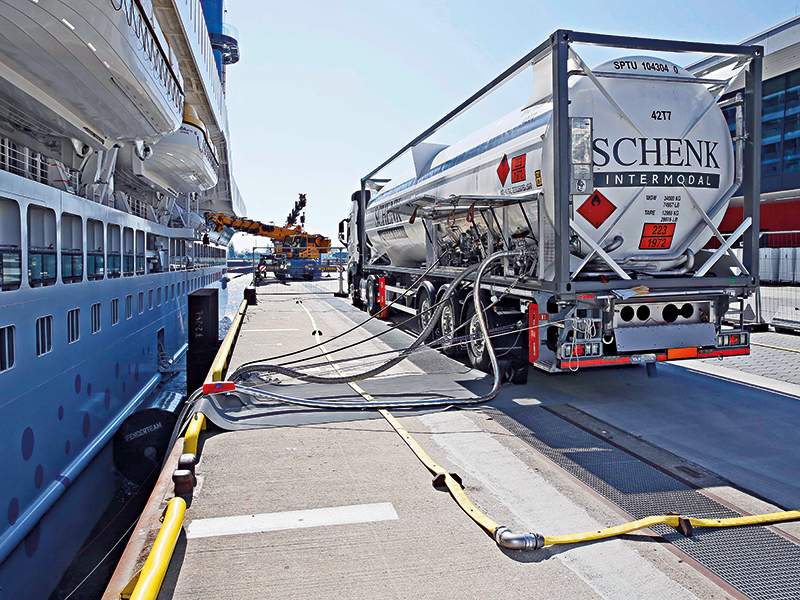
A Carnival Corporation cruise ship is fuelled with LNG
All hands on tech
Carnival Corporation consistently strives to incorporate the very latest advances in technology to lower its carbon footprint and reduce its impact on the sea and local environment. “Part of our sustainability strategy is focused on continuous improvement,” Haeflinger said. By adopting this approach, Carnival Corporation has become a pioneer in the industry. The group was the first cruise company to develop and deploy a number of technological solutions, including exhaust gas cleaning systems and the use of liquefied natural gas (LNG) in port to power its ships.
Exhaust gas cleaning systems, which reduce the emission of sulphur and particulate matter, are now deployed in 60 Carnival Corporation ships – a figure that expands with each passing year. Through adopting this technology, the company has prompted others in the industry to follow suit, with numerous cruise companies now installing exhaust gas cleaning systems. A similar domino effect is expected with LNG as well.
In line with its continued commitment to addressing carbon emissions and improving air quality, Carnival Corporation has implemented a new ship programme focused on delivering both energy and greenhouse gas-efficient ships by leveraging cutting-edge technology and lower-carbon fuel sources. Consequently, Carnival Corporation is now in the process of building seven fully LNG-powered cruise ships. This is a particularly important part of the company’s strategy, as LNG doesn’t emit sulphur dioxide and, when compared to marine diesel oil, has a 95 to 100 percent reduction in particulate matter, an 85 percent reduction in nitrogen oxides and a 25 percent reduction in carbon emissions.
Spiegel said: “AIDAsol, from our German-based AIDA Cruises brand, became the first cruise ship in the world to be supplied with power via an LNG hybrid barge while in port. The barge was designed, constructed and commissioned in three years, as part of a unique pilot project we developed with Becker Marine Systems. Currently, we have seven new LNG cruise ships on order. These new vessels will be part of the first generation of cruise ships to be fully powered by LNG.”
Carnival Corporation consistently strives to incorporate the very latest advances in technology to reduce its impact on the sea and local environment
Pioneering a new era in the use of low-carbon fuels, these new ships will use LNG to generate 100 percent of their power both in port and on the open sea – an innovation that will significantly reduce exhaust emissions, helping to protect the environment and support Carnival Corporation’s sustainability goals. These seven ships will be delivered between 2018 and 2022. “Since fuel represents more than 97 percent of our direct and indirect carbon emissions, we are also partnering with one of our engine manufacturers to continue to improve our fuel efficiency and, in turn, reduce our fuel consumption,” Spiegel said.
Another breakthrough technology is Carnival Corporation’s Ocean Medallion, a digital concierge service that provides guests with a highly personalised experience via personal devices and display screens located throughout the ship, as well as a medallion that can be worn or carried. With this technology, passengers can create personal profiles before embarking on their journey, providing a variety of details such as their entertainment preferences and dietary requirements to ensure a seamless experience while on board.
Ocean Medallion also alerts guests to activities they may be interested in, locates travel buddies on the ship and allows guests to order food before they walk into a restaurant. Set to be introduced with Princess Cruises in November, Ocean Medallion has tremendous potential to change the way the cruise industry – and possibly even other industries – approaches hospitality.
Code of conduct
While on-board hospitality continues to evolve with the introduction of new technologies, so do the ships themselves. Carnival Corporation is working to adopt more exhaust gas cleaning systems and integrate a greater number of LNG-powered ships into its fleet. In the meantime, the company is continuously improving its transparency by expanding its number of sustainability-based key performance indicators and deepening the level of reporting it undertakes.
“We are building on our commitment to sustainability by extending our code of conduct to our business partners, ensuring all suppliers adhere to sustainable practices in areas such as labour, human rights, health, safety, security and environmental protection,” Haeflinger said. “This is essential to the cultivation of healthy societies around the world.”
With such efforts in tow, Carnival Corporation continues to lead the industry in terms of not only size, but also sustainability, setting industry-wide standards for managing its valued resources: its staff, its guests, the environment, and the communities in which they live and visit.
The Internet of Things (IoT) is already changing the way we interact with our homes and bringing new meaning to ‘practical clothing’. Now, the healthcare sector too is beginning to see the fruits of IoT, which can drastically improve patient care and case management. Through the use of biometric sensors, 24/7 remote monitoring is now a reality – and a convenient one at that – allowing providers to shift from risky and costly reactive care to the preventative kind.
Wearable tech can also provide invaluable new insights into diseases. As Brian Ray, CTO of Link Labs, a Maryland-based start-up that offers IoT solutions, explained: “If you can gather more data from patients – like when they take medicine, what their vitals are, what their blood sugar is, how active they are – you can aggregate large amounts of data across populations to model for trends. Then you can identify patients at risk based on those models.” With less time spent collating data, healthcare professionals can spend far more time analysing, and therefore truly understanding, human health and disease.
On the same wavelength
According to IoT Healthcare Market by Component, a report that was published by MarketsandMarkets in April 2017, the market is expected to mushroom from $41.22bn in 2017 to some $158.07bn as soon as 2022. Showing huge promise in this burgeoning field is radio-frequency identification (RFID) technology, which uses radio waves to capture stored information from tags that can be attached to any type of object. Once seen as a supply chain eidolon, there was much hype when RFID was first used for commercial animal tracking in the 1980s. By the following decade, RFID had moved into the sphere of consumer products, enabling manufacturers to track their goods through production, while in storage, during transportation and right up to the point of sale.
The fanfare of this tech soon died down – that is, until the arrival of IoT, which saw RFID unleash a plethora of new opportunities. Essentially, data stored on RFID tags can now be sent to a networked system so that multiple parties can read it in real time. These tags become a vital input in a system that is connected with numerous other devices – which, of course, is the epitome of the IoT ethos. In the healthcare supply chain, such a network could be revolutionary.
Using RFID, healthcare providers can identify, trace and authenticate medical devices, surgical equipment, pharmaceutical products and more. “For example, a system based on RFID tagging can manage and coordinate blood supplies and automatically instigate new supplies and direct them to where they will be needed next,” said Richard Collins, Head of Product at Bodytrak, a company that produces wearable biometric smart sensor technology.
Guesswork can mean overstocking – a costly outcome, particularly with expensive items such as pacemakers
In addition to the chips that are attached to endpoints – in this case, medical supplies – a complete platform also involves gateways and readers to capture data from these items, together with software that collates all the information and presents it in a clear format for healthcare professionals to digest. Such a dataset could contain the product code and description of an item, its specific location in real time, its authenticity and, where relevant, expiration date. As more items are fitted with RFID tags, the network will become more populated, advancing the data provided and in turn, the patient care that is afforded.
Keeping track
This level of control is hugely advantageous for hospital inventory management. Using traditional methods, staff are charged with manually checking stock on a regular basis, taking note of what needs replenishing and what is due to expire. Such a system is vulnerable to several flaws – firstly, the inevitability of human error.
Then comes the lack of time available for making daily checks, which are necessary but not always possible. This prompts a tendency to make estimations about stock levels, which can lead to mistakes. On one side of the coin, guesswork can mean overstocking – a costly outcome, particularly with expensive items such as pacemakers. On the other, it could involve running out of an item in an emergency, the result of which could be fatal.
The former happens more frequently and, as such, is a huge drain on resources. “A big reason why healthcare costs are so high is hospitals keep buying products that they already have sat on their shelves – this is a complete waste of money,” said Paul Budd, Managing Consultant for Digital Health at Korn Ferry Futurestep. “The successful implementation of an RFID system throughout the supply chain can track and monitor usage so as to only reorder when necessary.” It can also guarantee accurate billing data for private patients and ensure the facility’s compliance with relevant regulations, such as the FDA’s Unique Device Identification system.
John Gresham, Vice President and General Manager, DeviceWorks and Interoperability at Cerner, added: “Real-time location [system] (RTLS) technologies can track devices like infusion pumps, thereby decreasing the number that are misplaced or lost each year. Tracking these devices can lead to a decrease in annual spend on devices through increased utilisation and supply chain management. A further benefit is the reduction in staff time spent searching for a device, an activity that can occur several times a day.”
What’s more, when items are taken from storerooms, notifications can be sent to the relevant staff and to suppliers, ensuring that orders are made in a timely fashion. Usage history can also be better understood through such accurate data, which subsequently leads to more
effective stock management.
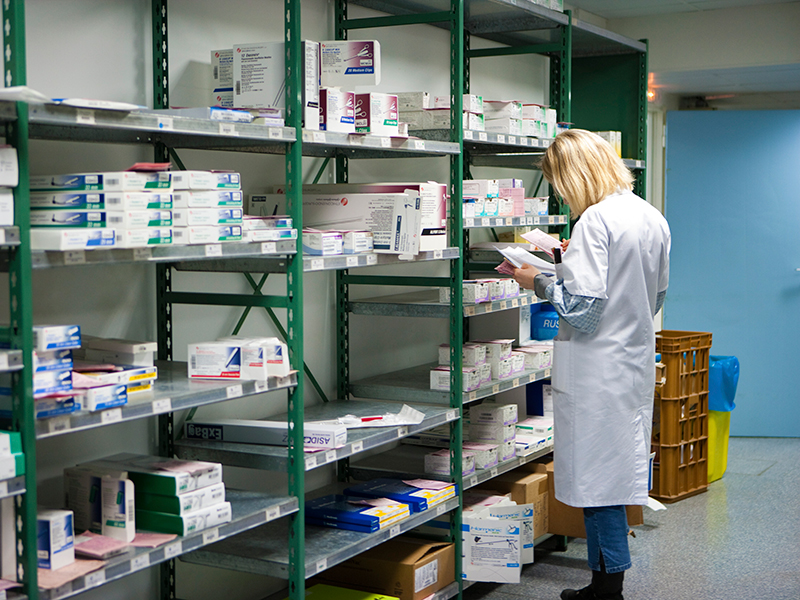
Members of staff have traditionally been charged with checking stock manually, taking note of what needs replenishing and what is due to expire
The future of healthcare
IoT could be the phenomenon that transforms healthcare. RTLS, like RFID, can vastly improve the precision with which the sector’s supply chain operates, reducing expensive wastage and providing a significant boon to cost savings. It also saves on another precious asset: time. “RFID represents a relatively simple but effective solution to use important resources more effectively. The idea is that by using resources more effectively, hospital staff can waste less time looking for medical supplies and [spend] more time with the people that really need them: the patients,” Budd said. “The concept of tracking what you are using and only replenishing these when required is fundamental to operate a lean and efficient organisation, be that a factory or hospital.”
In turn, healthcare professionals can provide their patients with the medicine and equipment they need without fear of expiration or misplacement. This revolution is still in its nascent stages, Gresham told The New Economy: “Over the next decade, the advancement of location awareness systems will transform how patients and providers experience the delivery of healthcare.”
Wearable biometric sensors can further consolidate this patient-centric approach, a necessary shift given current lifestyles in developed nations and the underdeveloped healthcare markets of lower-income economies. Indeed, IoT can provide the solution to the age-old problem of inadequate healthcare provision to countries that have vast populations with numerous communities in remote areas, such as China and India.
With IoT, a new healthcare era is on the horizon, one in which less time is wasted, medical supplies are present when needed and reordered only when necessary, giving professionals more time to spend with patients and find the answers needed to improve their health. Such gains could help create a healthcare system that gives far more good news than bad.
The agricultural sector has already undergone three distinct technological revolutions. The first, which took place over several continents and a huge timeframe, saw humans move from a hunter-gatherer lifestyle to one based on domesticated crops. The second revolution focused on the UK, with crop mechanisation spurring an unprecedented rise in agricultural output. The third, also known as the Green Revolution, was a more global affair, which leveraged the use of pesticides and genetic modification to ensure food production matched population growth. Now, it appears, the fourth agricultural revolution is upon us.
In the not-too-distant future, microbes will be the primary way we support clean plant growth. Whether we use bacterial or fungal species, microbes offer a host of benefits, including improved metabolism, enhanced nutrient uptake and heightened protection from destructive pathogens. In place of chemical pollutants and GM testing, biological improvements promise to stimulate plant growth without generating harmful side effects in the short or long term. In fact, microbes are already being implemented to create their own agricultural revolution, one that has sustainability at its very core.
Microbial revolution
As we continue to be inspired by the developments of years gone by, it’s worth noting biological products are not new to the agricultural industry. The symbiotic relationship between plants and bacteria has been known for some time, but only now is science enabling us to harness this connection.
Having functionally targeted bacteria and fungi present in soil can greatly enhance the bioavailability of nutrients; phosphorous, for example, is often present in relatively high levels, but remains unavailable to plants due to chemical bonding and transformations. Bacteria can secrete organic acid compounds, however, allowing phosphorous and other vital nutrients like iron to be readily available for uptake.
With Malthusian population concerns never too far away, the adoption of microbial biostimulants could provide a timely boost to food output, doubling our current levels of production by 2050
Aside from nutrient cycling, microbes can boost disease resistance by forming a biological shield against pathogenic bacteria, fungi and viruses. Further, soil bacteria have been found to inhibit the growth of parasites and other harmful proteins by producing compounds including lipopolysaccharides, salicylic acid and siderophores. Instead of introducing toxic chemicals into the agricultural environment, plants are protected by enhanced biological defences that are already naturally present.
Our understanding of plant-microbe interactions has also improved considerably in the last 10 years. Higher resolution molecular tools now allow us to gain more detailed insights from within the microbial community structure, enabling us to learn how the dynamics between plants and microbes affect plant growth throughout the year.
As we become increasingly aware of the damage caused by the excessive use of petrochemical fertilisers and pesticides, the transition towards more sustainable methods of food production will gather pace. Previously, soil fertilisation has focused on the use of chemical compounds, most of which are petroleum-based and all of which are synthetic. By contrast, biological additives are entirely natural and support plant growth by working with all known agricultural management practices.
Instead of simply introducing more plant nutrients into a soil system, microbial biostimulants aim to maximise the nutrients that are already in place. With Malthusian population concerns never too far away, this particular agricultural innovation could provide a timely boost to food output, doubling our current levels of production by 2050.
Theory to practice
Although farmers are generally receptive to any development that can improve security and boost crop yields, scaling biological products for agriculture management can be extremely challenging. The testing of microbial biostimulant products, for example, can take as long as seven years, with stringent research, development and testing protocols in place to ensure solutions are ready for market. One of the principle issues is that researchers and scientists are not solely tasked with making sure a product is effective. The product also needs to be suitable for a specific crop, compatible with existing management practices, scalable over a wide area, and have the expected shelf life.
This means introducing new microbes to the agricultural sector could cause disruption before it leads to opportunity. Shifting from synthetic chemical inputs to naturally occurring biological solutions risks undermining the existing trend towards higher yields and more reliable output levels. However, agricultural producers must remember microbes are naturally present in all soil conditions; the cultivation of a healthy microbiome must, therefore, begin by looking at pre-existing natural features.
Every individual microbe has its own specialised role, whether it be breaking down plant material or staving off pathogens. But, collectively, microbes are more analogous to a complex production line. When farmers begin to realise the many benefits of using natural soil microbes to boost productivity, alternative methods will fall by the wayside. Microbial solutions are more sustainable because they enhance crop health, development and yield year after year, while also improving the condition of the soil, which is one of the biggest problems facing farmers in the 21st century.
Biological benefits
In some respects, the development of agriculture appears to be never ending. Ever since mankind first learned to grow seeds, people have worried that population growth would eventually outstrip food supply. Since then, however, a multitude of technological innovations have come along to enable humanity to grow once again, whether it is improved irrigation or vertical farming. However, this can only continue as long as the agricultural industry values sustainability as one of its primary aims. The present use of pesticides and fertilisers, therefore, offers a genuine cause for concern.
Nutrient use efficiency has become a problem for many farmers, rendering the use of petrochemical synthetic fertilisers unsustainable. For example, even as the levels of phosphorous fertilisers (an important macronutrient for plant growth) accumulate within the soil, up to 70 percent is made unavailable almost immediately due to natural chemical binding and transformations.
The intense regulation found in the legal cannabis industry makes it a perfect market for the initial adoption of microbial biostimulants
As a result, phosphorous can build up in soils for decades without being available to plants. This is a huge environmental concern: as soils saturate with these nutrients, flushing events occur, polluting waterways and, in many cases, causing devastating algal blooms, like those associated with the major bodies of water found along the East Coast of the US. Microbes, like in nature, can naturally cycle nutrients to support plant growth and alleviate the toxic build-up of chemical fertilisers in soils.
Improving the efficiency of macro and micronutrient usage is one of the principal aims of microbe use, as is the repulsion of pathogens and pests, and the use of different biological endophyte technologies to support plants during environmental stress. Aside from these general advantages, however, there are also more bespoke benefits on offer.
The emerging legal cannabis sector, for example, is one of the primary market cases for microbe use. Intense regulation in this fledgling industry makes the use of chemicals particularly difficult, leaving spider mites, russet mites and powdery mildew to ravage existing crops. Effective biological technologies will be critical to support the success of the cannabis industry moving forward.
The broader movement towards natural and organic agricultural management is increasing across all industry segments, and the use of biological products will be critical in supporting organic growers to meet demand. Regulatory hurdles will present challenges to the implementation of microbial crop management, but no technological innovation has been without its missteps. Like the seed drill, tractor and combine harvester before them, microbes are here to stay, and look set to play a prominent role in the future of farming.
Recruitment is a fundamental component of any company’s success, and failing to identify the right people can prove extremely costly. In the short term, losing an employee early into their tenure can result in the employee absorbing expensive training with little reward, while the company foots the bill. But perhaps more concerning are the long-term effects of bad recruitment: a business that fails to hire bright, forward-thinking workers will see its productivity and capacity for innovation suffer over time.
A 2013 survey by US recruitment platform CareerBuilder found that, of the 6,000 employers surveyed, more than half in the world’s 10 largest economies reported suffering significant losses as a result of a bad hire. Further, a staggering 27 percent of US respondents reported at least one instance of a bad hire costing the company $50,000.
This figure was echoed in Europe, with 29 percent of respondents from Germany and 27 percent of those from the UK reporting similar figures. But while the costs of recruiting the wrong people are clear to see, it’s not always quite so obvious how to avoid such pitfalls.
Evaluating the market
When identifying new recruits, employers have typically looked to individuals with a similar mix of skills and personal qualities as their existing members of staff. These qualities often include problem solving, teamwork and self-motivation. Unfortunately for employers, these characteristics are surprisingly difficult to test for.
In order to address this issue, firms have traditionally focused on hiring graduates, using degrees as a proxy for intelligence and hard work. However, with more people attending university than ever before, degrees are becoming increasingly irrelevant, and employers are turning their attention to bespoke online tests instead. In June, Unilever revealed it had spent the last year using AI to assess candidates while they played online neuroscience games.
Meanwhile, many large companies with reputations as graduate-only employers – such as Google, Ernst and Young (EY), Penguin Random House and Apple – have done away with the need for degrees altogether. But if choosing graduates doesn’t work, firms now face the question of how best to identify potential employees – for many, this means turning to online recruitment tests.
Employment tests do more than simply help employers spot candidates with the most potential… Their lack of bias presents a useful tool in the fight against discriminatory hiring practices
Online recruitment tests can come in several forms, with each designed to identify specific areas of a candidate’s personality and skill base. For example, numerical and logical reasoning assessments function as mini IQ tests, while personality tests aim to anticipate how candidates will adapt to their new working environment. More recently, employers have looked to strengths-based recruitment tests: multiple-choice questionnaires that try to gauge whether a candidate’s personal motivations align with the firm’s, and determine whether they are capable of performing the work expected in the role advertised.
EY was an early adopter of the strengths-based recruitment process, ditching the requirement for an undergraduate degree from its entrance criteria in 2015. Speaking to The New Economy, EY’s Head of Student Recruitment (UK), Dominic Franiel, described the decision to drop degrees as the result of almost a decade spent fine-tuning the recruitment process: “When we launched our revised selection process [in August 2015], it was the result of many years worth of validation, really dialling up the areas that we knew were predictive of future success [and] placing extra emphasis on those based on the online assessment.”
Fair assessment
Franiel believes employment tests do more than simply help employers spot candidates with the most potential: he has suggested their lack of bias may also present a useful tool in the fight against discriminatory hiring practices. “The approach we’ve taken – by having multiple assessments – allows us to be very objective in that screening decision,” Franiel said. “From a candidate’s perspective, it’s a much fairer way of being assessed and considered, because you have the same opportunity as any other candidate who applies.”
Another practical reason companies are starting to favour online testing is cost: since these tests are often multiple choice, marking can be automated, presenting a more cost-efficient way of whittling down the stacks of applications graduate employers receive each year. “When you’re a volume recruiter and you’re dealing with tens of thousands of applications, it gives you a very early cut, a very early indication of a candidate’s potential,” Franiel said.
Of the 37,000 applicants EY received for its student programmes in 2016, Franiel revealed only around 7,000 were put through to a final interview: “The interview is just one stage of our selection process but, as you can imagine, it’s the final one, so we filter down the 37,000 applicants starting with using online assessments, an interview and an assessment centre.”
But with bad recruitment practices often costing firms in the long term, simply finding an economical way to filter applicants isn’t enough, and online tests must be effective as well as cheap. Franiel believes online tests, especially those with similarities to IQ assessments, really aren’t so different from degree qualifications: “There is certainly a correlation between UCAS points and the scores in our numerical reasoning tests.”
Since online tests are often multiple choice, marking can be automated, presenting a more cost-efficient way of whittling down the stacks of applications graduate employers receive each year
This is also true, to some extent, of less academic strengths-based tests. The personal qualities Franiel lists as a good fit for the company – things like being self-motivated, taking pride in your work and picking things up quickly – are also those prized in a university setting. “If you think about your top performers in academia at university, you’d probably expect to see some of the similar behaviours being demonstrated,” he said.
Test of time
In terms of broadening access, the five different tests now used in EY’s application process allow multiple data points to measure how well it is working. “We run adverse impact analysis, looking at progression rates of different demographic groups throughout our selection process, and we see no adverse impact,” Franiel said.
“[This] is very reassuring for us, since [it] means it doesn’t matter if you’re male or female, of an ethnic minority, or a lower socioeconomic group – your chances of success are equal in those assessments.”
The strengths-based testing process also benefits from its adaptability; with the criteria for a successful hire continuously being reassessed, tests can be tweaked to reflect the latest requirements. “We’re very careful when we assess our test benchmarks not to necessarily rely on what we think looks good within the organisation currently,” Franiel said.
“As part of that periodic validation, we ask a broad range of individuals, including our current graduates and our current apprentices, to self-identify what they think are the traits they need to be successful. If you were to look at the graduates recruited five years ago, they could have a very different profile to those recruited a year ago.”
It’s perhaps still too early for EY to measure the success of this ‘no degree’ approach in full, but the signs so far are promising. In a broader industry sense, adopting this attitude may prove particularly useful to sectors facing a skills shortage. For example, online testing could help compensate for the dearth of qualified applicants in the tech sector, identifying individuals with the right combination of skills to succeed after receiving some on-the-job training.
As online testing is refined and employers gain a greater understanding of the data that tests produce, degrees will seemingly become a secondary consideration for hiring managers, who will instead look to the results of customised online assessments to identify candidates that can stand the test of time.
After a successful democratic transition following the revolution in 2011, Tunisia is ready to secure a prominent economic position in the region. The African country is now gathering pace to generate sustainable growth based on high value-added activities and private investment.
Today, almost 3,500 foreign companies operate in Tunisia, where confidence is boosted by political stability, as well as the multiple opportunities available to businesses.
In recent years, Tunisia has undergone fundamental reforms that established the pillars for its nascent democracy. A new constitution and the first free election of a president in 2014 marked the beginning of prosperity for the country, which is now making decisive steps towards development.
Many investors are already betting on Tunisia; in a clear indicator of confidence, 90 percent of new foreign investments are extensions of existing projects.
Ensuring success
Several sectors are proving attractive to investors. Agriculture and the food industry, textiles and clothing, automotive and aerospace component industries, and activities related to offshoring and technology are among the most promising sectors in Tunisia.
The country’s geographical location at the intersection of three major markets makes it a strategic investment choice. North of Tunisia sits Europe, with a total of 500 million consumers. Tunisia has enjoyed privileged partner status with the EU since 2012 and has signed 52 double taxation agreements and 54 investment protection deals aimed at increasing trade with the Euro-Mediterranean area. Hence, the European market is integral to Tunisia’s trade success. To the south and east are the Arab and African markets, which Tunisia is able to penetrate through numerous channels.
Furthermore, the country has a track record of prosperous business and innovation. A sound indicator of this is Tunisia’s leading position in the Global Entrepreneurship and Development Institute’s Global Entrepreneurship Index for both entrepreneurship and development among African nations. The index measures variables such as quality of education, skills needed for creating start-ups, levels of corruption, economic freedom and the depth of the capital market.
With regards to education – to mention just one of the reasons for the country’s favourable position in the index – Tunisia has a strong foundation of qualified human resources. This is the result of public investment in education, which accounts for seven percent of GDP annually, above the average of OECD countries. The Tunisian education system generates more than 70,000 new graduates annually, 10 percent of whom are engineers.
Adding value
One of the improvements the Tunisian business environment has seen recently is the new investment law that came into force in April 2017. The reform is mainly aimed at providing a better framework for investors, streamlining administrative procedures, facilitating market access, providing investors with guarantees and rights, and easing dispute settlements.
Moreover, the new law offers economic incentives to businesses to encourage entrepreneurial spirit. Projects deemed to be of national interest are exempt from corporate taxes for up to 10 years, and benefit from a subsidy for infrastructure costs. Unlike the former investment law, this one does not differentiate between domestic and foreign investors, and allows the latter to recruit up to 30 percent of its executives from outside the country’s borders.
In the 1970s, Tunisia benefitted from capital investments in trade industries. This allowed the country to diversify its manufacturing industry and put it in a position to be more competitive. The agriculture and food industries were the first to be developed, along with textiles, clothing, leather and footwear.
The Tunisian production system has experienced a gradual regeneration, taking on new activities with higher added value
The Tunisian production system has experienced a gradual rejuvenation, taking on new activities with higher added value. With regards to agriculture, the production of organic products has markedly increased, giving the country a new opportunity to earn a position in international markets. Today, organic crops are spread across 500,000 hectares, producing around 265,000 tonnes per year. With 80 percent of this production intended for export, Tunisia is the second-largest exporter of organic products in Africa in terms of volume.
The food industry is another promising sector in Tunisia, especially in activities like canning, packaging and freezing fruits and vegetables. The presence of global companies like Danone and Nestlé is proof of Tunisia’s international potential.
Meanwhile, textiles and clothing have experienced a shift from subcontracting operations to a more independent model following the dismantling of multi-fibre agreements. Currently, businesses in the industry are taking advantage of the emergence of innovative activities in collaboration with the automotive and aeronautical sectors, which offer a variety of niche opportunities. Finally, hi-tech ‘smart’ textiles used for safety and extreme sports, are among those in a competitive labour market with lower costs.
Apart from textiles, the vehicle components business is driving growth in areas such as electronics, plastics processing, interiors (such as seat systems and dashboards), transmission and chassis parts, and bodywork. A notable feature of the auto industry in Tunisia is that the vast majority of companies are local but also carry an international reputation. Thanks to its long history, the solid structure of local firms and a labour market with skilled and specialised human resources, the Tunisian vehicle industry had maintained its strengths, and its potential continues to grow.
Al Karama has substantial shares in nearly 60 companies which operate in agriculture, tourism, industry, telecommunications, trade, banking and insurance
Open for business
The value added to the Tunisian economy has reached new highs. Over the past decade, the aeronautics industry has sustained a 20 percent growth rate locally. Activities related to this sophisticated area are mostly hi-tech, ranging from high productivity and high precision machining to the production of aeronautical systems, along with software and hardware for engineering.
In this sector, Tunisia hosts several specialised international companies, such as Latécoère, Mecahers, Hutchinson and Zodiac. Some, such as Safran and Zodiac, have developed their own expertise centres in the country.
Furthermore, Cemia, a centre of excellence in the aeronautics professions, has recently been created to support the development of aeronautical activities in Tunisia and to help develop dedicated infrastructure to support the burgeoning market.
Tunisia’s competitiveness in aerospace industries has been recognised by fDi magazine, which is owned by the Financial Times. In fDi’s latest ranking, Tunis – and, in particular, its aeronautical cluster in El Mghira – earned a place as the most competitive city worldwide in terms of costs. The wide range of promising economic activities in the country, the new legal framework and a trustworthy political environment have combined to turn Tunisia into an opportune place for investments.
The government’s latest strategic plan has set a target of at least a four percent growth rate from 2016 to 2020. The goal is to increase investment to 25 percent of GDP, meaning an annual expansion of 80 percent. Foreign capital can now flow into the new Tunisian democracy and acquire established, competitive firms.
Al Karama Holding, an investment company owned by the Tunisian state, offers global investors unique opportunities across different sectors of the emerging economy. At present, Al Karama Holding has substantial shares in nearly 60 companies which operate in agriculture, tourism, industry, telecommunications, trade, banking and insurance.
Al Karama is committed to maintaining the value of its subsidiaries and affiliates, supporting the development of their business, strengthening their governance and treating employees well. The company aims to successfully return to the private competitive sector with a well managed, gradual and transparent approach. It will offer unparalleled investment opportunities in the Tunisian economy’s new investment framework, endorsing competition and foreign investments to create a Tunisia that is, more than ever, open for business.
Mauritius is more than just a holiday destination. While it’s true we are blessed with year-round sunshine, beautiful sandy beaches and exotic wildlife, there’s more to life on the island than tourism. In fact, the country’s broader economy has started to make a name for itself, with agriculture, manufacturing and retail all recording encouraging levels of growth in recent years.
Meanwhile, Mauritius is quickly gaining a reputation as one of the foremost financial hubs in Africa. The island’s political stability and business-friendly regulatory system have seen financial services flourish, and the insurance industry is proving particularly dynamic, displaying growth of more than five percent year-on-year.
However, the Mauritian insurance sector stands at something of a crossroads: new digital technologies are emerging, providing benefits and challenges in equal measure. Therefore, it is up to major players like Swan General to ensure this evolution is managed properly: minimising risk while maximising reward.
Digital upgrade
While Mauritius currently boasts the most competitive economy in Africa, the island must continue to identify new ways to conduct business and improve operational efficiency if it is to remain at the top of the pile.
In the insurance sector, for example, this development is coming in the form of emerging digital technologies; mobile applications are making the industry accessible to demographics that have traditionally struggled to get insurance, providing customers with more direct channels of communication. Similarly, big data is being coupled with telematics to give customers greater visibility and transparency.
At Swan, we’re always on the lookout for new technologies that can drive greater automation and enable our operations to be executed more efficiently. As such, Swan has developed a comprehensive digital strategy to better manage the rapid pace at which digitalisation is taking hold of our industry. This approach, along with the company’s reputation for excellent
service, will help take the customer experience to another level.
However, introducing new technology implies change, and change inevitably brings risk. If new technologies fall short of their promise, customer experience could suffer, placing a strain on the business.
Another risk is a lack of compliance: in the race to win customers with a seamless digital experience, incumbents could inadvertently ignore – or be less mindful of – the many compliance requirements currently in place to safeguard the industry.
International partnerships have been a key contributor to the development of Swan over the years
Playing by the rules
There are three main challenges currently facing the insurance sector in Mauritius. First, the speed at which regulatory changes are being made is increasing dramatically, impacting the way we conduct business both now and in the future. The second challenge revolves around recruiting talented individuals, and identifying people with the skill sets necessary to meet the evolving demands of the market. Finally, there are concerns regarding the impact technology is having on the actual boundaries of the industry.
Taken collectively, these challenges promise significant disruption for insurance firms throughout Mauritius. But disruption doesn’t necessarily lead to negative consequences; it can also present major opportunities for industry players, provided they’re able to enter the market quickly and define its parameters. However, in order to navigate this disruption effectively, businesses will need to be agile enough to cope with changing regulatory frameworks.
As recently as July, the Mauritian Financial Services Commission introduced new risk management regulations for insurers. The rules aim to establish a new culture for licensed insurers in terms of risk management, while simultaneously enhancing the observance of existing international norms. While a system of risk management was already in place at Swan, the new rules are helping to generate better awareness of the correlation between risk, capital and return, forcing us to be more focused on forward planning and strategic development.
The guidelines call for a change in the decision-making process. Managers and the board are reminded of their responsibility to ensure they’re properly assessing the impact of their decisions on the long-term sustainability of the enterprise. When properly implemented, the appropriate governance structure should enhance the internal control system and strengthen accountability. At the end of the day, this will benefit everyone.
Home and abroad
One of the ways the Mauritian insurance sector is able to stay ahead of the curve is by straddling domestic and international markets. Geographically, Mauritius benefits from being a midway point between African and Asian markets, but this is not the only reason the country is having a positive international impact.
New industry bodies are helping to promote Mauritius in various markets, while government legislation is enticing major players to use the country as a springboard for investment in other African nations. Further, domestic investors from the private sector are partnering with their counterparts from continental Africa to provide deeper regional synergies. At Swan Re, a subsidiary of Swan General, we provide a trustworthy way for insurers on the continent to channel their activities through protected cells.
A number of structural, regulatory and logistical developments have created a supportive business climate in Mauritius
Further, a number of structural, regulatory and logistical developments have created a supportive business climate in Mauritius. The island’s geographic location allows us to act as a conduit for trading in Africa; a position companies from all over the world are increasingly seeking to make use of. Moving forward, we expect progress in this area to continue, with further developments contributing significantly to our future economic performance.
International partnerships have been a key contributor to the development of Swan over the years. For example, much of what we do has been made possible through partnerships with professional reinsurers, including global market leaders Munich Re and Swiss Re, as well as regional leaders like Africa Re. We benefit from their financial strength, technical knowledge, new product development and training programmes.
Equally, international partnerships support local businesses seeking to extend their reach beyond our shores. As a matter of fact, several local businesses have been increasingly involved in such ventures, especially on the continent. Here at Swan, we believe there are still tremendous opportunities in some of Africa’s fastest-emerging economies, and that’s why we’re executing a strategy based on internationalisation.
Social investment
As well as developing the financial services sector in Mauritius, Swan also takes great pride in using the insurance sector as a vehicle for social good. We have always been actively engaged in community projects – whether in Mauritius or the wider world – implementing a number of social responsibility programmes as part of our corporate activities, and taking part in initiatives such as Earth Hour.
Swan also encourages its staff to commit to a number of philanthropic initiatives and, in 2009, the Swan Foundation was established to ensure Swan’s social and environmental responsibilities were being fulfilled in the most organised way possible. The foundation is managed by a corporate social responsibility committee, which is tasked with ensuring Swan’s social investments remain in line with current legislation, as stated in the annual budget speech presented by the Mauritian Minister of Finance.
Last year, Swan provided financial support totalling in the region of MUR 8.1m ($242,000) to some 57 NGOs, becoming involved in a number of initiatives relating to domestic industries, including education, socioeconomic development, health and the environment. Ultimately, we are committed to growing more than just our own company, and believe it’s our duty to consistently contribute to the betterment of the environment and society as a whole.
Amid increased protectionism in the global economy, in February the European Parliament passed a new trade deal that strengthened commercial relationships between the bloc and one of the world’s wealthiest nations. The EU and Canada signed the Comprehensive Economic and Trade Agreement (CETA) in October 2016, with the aim to boost business opportunities on both sides by reducing barriers.
The deal is the first bilateral accord the EU has ever struck with a major economic power, and arguably the most ambitious ever negotiated. It was provisionally applied on September 21, once the parliaments of all EU members ratified the agreement according to their domestic constitutional requirements.
Win-win deal
CETA reduces tariff and non-tariff barriers, but also addresses many aspects related to the export of goods and services, as well as the creation of a stable trade environment for both European and Canadian companies.
According to the European Commission’s forecast, CETA will increase trade between the parties by 25 percent. Moreover, the agreement is expected to make an additional contribution of €12bn ($14.3bn) to European GDP.
Although tariffs will be scrapped gradually over a seven-year period, it won’t be long before the impact of CETA starts to show. The measure has already begun to be applied in many sectors. In agriculture, however, there will be exceptions.
An additional benefit of CETA is that it promotes regulatory cooperation and provides protection for specific areas. In fact, it covers more than 140 protected geographic designations, 40 of which are in France alone.
The deal presents a big opportunity to Europe considering Canada’s fast-paced growth. In the second quarter, led by the biggest jump in household spending since the financial crisis of 2008, the country’s GDP climbed by 4.5 percent, beating forecasts.
In this context, and with a modest economic expansion at home, the European agriculture sector will see nearly 91 percent of the agricultural and food products it exports to Canada exempt from duties.
The CETA deal presents a big opportunity to Europe considering Canada’s fast-paced growth
Furthermore, CETA protects European products that are considered sensitive, such as beef, pork and corn, by imposing tariff quotas. In return, dairy products that will be exported from Europe will have to respect certain quotas. Meanwhile, CETA will not open markets such as poultry and eggs.
The treaty will also safeguard traditional European exports against imitation products, although in some cases products may continue to coexist in Canada. For example, the French cheese Brie de Meaux will be protected, whereas Canadian cheese makers may continue to produce Brie.
Furthermore, regulations will include other quality measures, namely the prevention of hormone-fed beef being imported into the EU.
Fresh opportunities
Within the European bloc, France is the leading exporter of processed food to Canada, accounting for 24 percent of total exports from the EU. In 2015, French exports of processed food to Canada totalled €554m ($647m).
The agreement’s framework will give the country more opportunities to place products on the other side of the Atlantic, fuelling the $7.3bn bilateral trade, according to official figures for 2016.
In the basket of French-processed agricultural products exported, wines and spirits have a large share. Until now, tariffs and non-tariff barriers have made it difficult for these sectors to penetrate the Canadian market, preventing the EU from improving its performance. CETA will bring duties and behind-the-border barriers to an end. For example, the fee covering the difference in service charges applied by provincial boards will be applied based on volume rather than value, and calculated in a more transparent manner.
In the case of cheeses, a tariff quota fixed within the framework of the World Trade Organisation currently limits exports. The allowances are fixed at 22,000 tonnes per year and any overruns are subject to a 227 percent tax.
Now, CETA is offering two new duty-free quotas: 16,800 tonnes of high-quality cheese and 1,700 tonnes of industrial cheese. France’s cheese makers will therefore have the chance to provide around 84 percent more than before the deal.
CETA will help to safeguard traditional European exports against imitation products, such as the French cheese Brie de Meaux
The elimination of franchises will boost other categories of products, making them more competitive. Mineral water, pastry products and biscuits, as well as intermediate products like fruit juice and milk protein concentrates will see their two-digit duties eliminated, opening doors that until now have been blocking progress in trade.
Prospects are encouraging, not only for European companies, but also for Canadian firms. Agro-based companies from Canada will see several products exempt from customs duties, which will increase sales from Canada to Europe. Berries, sugar products, fish and seafood, non-alcoholic beverages, and processed legume products will all benefit from the tax cut. In addition, the deal provides larger quotas for pork and beef exports and eliminates duties on equipment and ingredients used by the beer industry.
Facing controversy
Despite the many advantages of the deal, negotiations were carried out amid controversy, and some questions remain. Points of contention have arisen with regards to two main areas. First, there are concerns over the settlement of differences.
According to the terms of the treaty, in cases of disagreement with public policy by a state, multinational companies may file a complaint in an international arbitration tribunal. In response to this concern, the European Commission has presented a draft declaration aimed at reinforcing the impartiality of this arbitration tribunal.
Second, there are fears about the impact CETA will have on the agriculture industries of other EU members. Many think the guarantees that have been offered for the protection of local agriculture are insufficient. For example, French farmers deplore the lack of recognition of more certified products, claiming that the number of protected items is not enough to shield them from open imports in the future.
In the hope of alleviating the fears surrounding CETA, Desjardins Group will advise companies about how best to profit from the new framework, as well as offering guidance about new business opportunities they might benefit from. Desjardins has a team of business development experts dedicated to assisting companies engaged in international trade, along with a wide range of international products and services.
The bank is the leading cooperative financial group in Canada, and with over $258bn in assets, is ranked as the fourth safest bank in North America. Additionally, it has one of the highest capital ratios and credit ratings in the industry. Thus, as a proven expert in finance, Desjardins wants to help companies make the best of CETA, encouraging them to do business in foreign markets, taking care of relationships with customers and suppliers and providing assistance to optimise their cash management processes.
In order to better achieve these goals, Desjardins has locations on both sides of the ocean: in Canada, it has a physical presence throughout Quebec and in various regions of Ontario, while its office in Paris caters to its European clients. Desjardins is ready to connect the dots.
Morocco is famous for many things – its vibrant culture, sensational cuisine, distinctive designs and awe-inspiring landscape, to name but a few. In recent years, however, it has earned another characteristic to boast; Morocco is now carving a reputation for its standout investment environment. This standing can be attributed to ardent political will, as well as a strong resolve that has animated local economic operators, from entrepreneurs to banks and other participants in the investment sphere.
Naturally, a robust foundation was needed in the first place to allow a positive investment environment to burgeon. Stability at every level – economic, political and social – was essential. It also helped considerably that the country was, and remains, fully compliant with international finance standards and has a highly developed legal framework in place that ensures investors and their investments are protected.
Fouad Lahgazi, CEO and Senior Partner of KPMG (Morocco), spoke to The New Economy about the ongoing evolution of Morocco’s investment and business climate and why stability is such an important factor in the country’s development.
What steps have been taken to develop Morocco’s investment environment into what it is today?
Several political and economic policies have led the country to its current state, including the dams initiative, which saw the construction of around 140 dams across the country, and legal reforms, which started in the mid-1980s and have had a significant impact on the economy.
Finally, the government’s long-term economic and political strategies have led to the achievement of many objectives, such as the development of clean energy in solar and wind power, the growth of the automotive and aeronautic industries, and the establishment of large road and port infrastructures.
Since Africa’s economy was opened to Morocco, numerous important agreements have been concluded with the majority of the continent’s countries. These developments have made Morocco an African hub for numerous economic activities.
What challenges had to be overcome so that Morocco could become a successful investment environment?
It would be untrue to say that Morocco has overcome all the challenges that it faced in the past. That said, many obstacles have been overcome. The old legal framework was updated for all sectors, from tax to real estate and finance.
The main challenges related to the industrial, tourist and agricultural sectors have either been overcome or their development strategies are ongoing. For example, the industrial sector has developed thanks to the introduction of sophisticated facilities, such as the Renault plant in Tangier, the upcoming Peugeot plant in Kenitra and the Bombardier plant in Casablanca. In terms of agriculture, production is being optimised through the Maroc Vert (Green Morocco) plan, which aims to modernise and enhance local production.
Morocco is securing its position as a financial hub
and platform from which European countries can access the African market
Finally, the tourism sector is being developed by the Vision 2020 strategy and other local policies that are aimed at developing local tourism and significantly increasing the number of tourists visiting Morocco. This is not to mention the Casablanca Finance City Authority (CFC), which is committed to becoming an African beacon in the finance sector.
Which challenges does KPMG (Morocco) continue to tackle?
KPMG (Morocco) is a member firm of the KPMG network and consequently benefits from worldwide support in all the activities and functions managed locally, including audit, advisory and tax. The opening of Morocco to foreign investment is a perfect opportunity for our practice to start assisting foreign investors.
As with every audit and advisory firm operating in a fast paced economic environment, KPMG (Morocco) has high standards to uphold; the most important of which is serving clients promptly while maintaining a high level of quality. However, this is part of our daily business, and KPMG (Morocco)’s 12 partners and more than 120 highly qualified professionals have the expertise to meet all of our clients’ needs.
Why is Morocco’s stable economic growth so important for foreign investors?
When making investment decisions, every investor must consider risk and profitability – this is true even when operating in a stable country. Fortunately, Morocco’s legal framework protects investors by guaranteeing the recovery of investments and related profit.
In addition, Morocco is affiliated with the most important international organisations across the world and has signed major international agreements, which range from human rights to tax and environmental treaties, making it easier for investors to have confidence in the Moroccan economy.
What is Morocco’s business climate like at present and how is it continuing to improve?
Morocco is known as a resilient economy during crises. This is mainly due to the fact that Morocco’s stock exchange market is not entirely linked to international markets, which can be seen as both positive and negative. This meant the global financial crisis didn’t have a direct impact on Morocco, yet the country is still able to benefit from international market booms.
Which industries receive the greatest foreign investment? Why is this the case?
Historically, particularly over the last 10 years, the industrial and real estate sectors have been the main recipients of foreign investment. This can be explained both by local market needs and the origins of investment; European and American investment goes mainly to the industrial sector, while UAE and Saudi investments flow largely into real estate development.
In banking, there was a boom in investments between 2008 and 2010, which amounted to more than 30 percent of total foreign investment. In the following years, this has settled to around 10 percent.
Morocco’s Vision 2020 strategy is aimed at developing local tourism and significantly increasing the number of tourists visiting the country
From which countries does Morocco receive the most investment? Why is this the case?
Due to its historical relationship with Morocco, France is still the country’s biggest foreign investor, followed by the UAE and Saudi Arabia. Even though the English language is most frequently used, French remains the second language of most citizens and also the business language in Morocco, which facilitates France’s access to the Moroccan market.
How have the country’s regulatory and tax frameworks improved in recent years? How has this affected the economy?
In the mid-1980s, Morocco began an overhaul of its legalisation, which covered areas including commerce, financial institutions and stock exchange law. It also revised the entire taxation framework and introduced a new tax code.
Significantly, the global homogenisation of tax laws, and Morocco’s subsequent reforms, have clarified existing rules. Furthermore, the Moroccan Tax Administration introduced its electronic tax return system, which allows companies and taxpayers to simplify their tax returns and the payment process.
Morocco is also subscribed to the OECD and has a national contact point represented by the Moroccan Investment Development Agency. In addition, as the partner of non-double taxation agreements, Morocco subscribes to numerous international tax frameworks and provides guarantees to its foreign investors.
What can we expect in terms of further investment in Morocco in the years to come?
At present, there are various large projects and economic strategies in place that aim to enhance and increase foreign investment. Rather than the classic industrial or real estate sectors, Morocco has great potential in technology production and financial services; these two sectors are in line with existing local strategies like Maroc Digital 2020, as well as the Casablanca Finance City development.
It is true that investment always seeks profitability, but when profitability is coupled with clear and sound rules and a safe economic environment, it is the perfect recipe to attract capital. We are confident that our country will attract more investors and more capital in the years to come; the challenge is to develop the right activities and sectors for a win-win partnership with both current and future investors.
US electric carmaker Tesla has struck a deal with the Shanghai Government to build its first factory in China, representing a significant milestone in its attempts to establish a presence in the world’s largest electric vehicle market.
In June, Tesla announced it was working with Shanghai authorities to explore local manufacturing options in the region, revealing it expected to have a clearly defined production plan in place by the end of the year.
Although confirmation is still pending, the deal would allow Tesla to build a plant in Shanghai’s free trade zone, where it will be able to cut production costs to better compete in the local market. Specifically, having a base in China will give Tesla proximity to local suppliers, reducing production costs by as much as 50 percent, according to The Wall Street Journal.
Unlike other foreign carmakers entering the Chinese market, Tesla has refused to set up a joint venture with a local company, opting instead to pay the import tariff in exchange for keeping its technology a secret
However, under current rules, the electric vehicle manufacturer will still be subject to the 25 percent import tariff applied by the country’s authorities. Unlike other foreign carmakers entering the Chinese market, Tesla has refused to set up a joint venture with a local company, opting instead to pay the import tariff in exchange for keeping its technology a secret.
The new facility will be Tesla’s first real footprint in China’s fast growing electric car market, with the company’s current presence only coming in the form of sales offices. In 2016, 507,000 electric vehicles and plug-in hybrid electric vehicles were sold in China, a 53 percent increase on the previous year. In contrast, European sales totalled 222,200, growing 14 percent annually.
Xin Guobin, China’s Vice Minister of Industry and Information Technology, further buoyed market expectations in September, revealing the country was working on a timetable to end the production and sale of polluting vehicles.
When it comes to choosing a European destination in which to conduct business, companies consistently seek a central location with a sizeable market – naturally, Germany is a popular choice. And, with a population of 17.9 million, North Rhine-Westphalia (NRW) is the most populous of the 16 German federal states.
Approximately 160 million people live within a 500km radius of the state’s capital, Düsseldorf, representing almost one third of all consumers in the EU. From no other location in Europe can so many people with such high purchasing power be reached within such short distances as from NRW.
With six airports, a comprehensive transport network and a close proximity to the North Sea’s most active ports, NRW benefits from excellent infrastructure and represents one of the most important logistical hubs in Europe.
Home from home
With so many logistical benefits, NRW has garnered a reputation as the economic centre of Germany; 18 of the 50 highest grossing German companies are based in the state, including Bayer, Deutsche Post DHL, Deutsche Telekom and E.ON.
Further, a quarter of all German small and medium-sized enterprises call NRW home. These companies all benefit from the state’s 70 universities, which, with their 768,000 students, continue to train and nurture qualified specialists.
But it is not just German companies that feel at home in the state; NRW has established itself as the leading investment location for companies from all over the world. More than 18,000 foreign companies currently control their German or European operations from NRW, with global players such as Ford, Toyota, Huawei and BP among the most prominent.
This global success has prompted fDi magazine to name NRW as the number one destination in its European Regional Overall category – ahead of Île-de-France and South-East England.
From no other location in Europe can so many people with such high purchasing power be reached within such short distances as from NRW
Bracing for Brexit
In fact, many British companies have set up shop in NRW: for example, the UK’s leading online retailer for household appliances, AO, has based its European headquarters in the region. Perhaps even more notable is telecommunications provider Vodafone, which not only manages its German business from Düsseldorf, but also operates its Innovation Park in the region, where it develops new services and technologies.
Further, with the UK’s decision to leave the EU forcing companies to reimagine their European strategies, more British companies are starting to emigrate to Germany and, more specifically, NRW. For instance, UK cosmetics manufacturer Lush recently opened a new production facility in the region and, as negotiations between the UK and EU continue, many more look set to follow.
More than 26,200 UK citizens live in the region, equating to one in every four Britons currently residing in Germany. This can be attributed, in some part at least, to NRW’s comprehensive, UK-style infrastructure, which provides dwellers with the perfect environment in which to settle. This symbiotic relationship between the UK and NRW dates back more than 70 years, to when the state was actually founded by the UK Government during its occupation of Germany.
Today, this long-standing partnership is facilitated by NRW Invest, a state-owned development agency that acts as a point of contact for foreign companies looking to establish investment projects in the German state. By providing a platform for companies to voice their ambitions, NRW Invest helps prospective clients establish valuable connections in the region and identifies the perfect location for each investment project during the analysis and planning phase.
Ultimately, NRW Invest’s team of experts optimise each client’s prospects in one of world’s most valuable markets, ensuring international companies receive all the support necessary to develop their European operations in a post-Brexit world.