Despite global financial uncertainty, Hessen remains an investor hotspot

With tariffs and trade barriers increasingly becoming the norm, it seems that controversial developments are characterising the current state of world trade.

Although the backlash against globalisation is widespread, parts of the world are striving to let others know that they remain open for business: one such place is Hessen, the German state located at the heart of the country. Home to Frankfurt – Germany’s financial centre – the region is perfectly positioned for organisations wishing to target markets in Europe and beyond.

At Hessen Trade and Invest, the state’s business development agency, we provide services to aid companies that are focused on innovation and technology across Hessen, as well as for foreign investors and international companies already operating in the region. We also offer support to foreign companies by helping them establish a presence in Hessen, as well as providing support to local companies seeking to gain a foothold in foreign markets. It’s for these reasons the state has been able to assert itself as a competitive business location in the face of a changing global landscape.

In addition, a high standard of living and a vibrant cosmopolitan atmosphere make Hessen a great place to live and work.

A sure investment
Punitive tariffs, trade wars and Brexit: these turbulent issues are the hallmarks of today’s global economy. This can be seen in the increased mutual tariffs between the US and China, with the prospect of further increases looming. The primary focal point within the EU, meanwhile, is undoubtedly Brexit, a topic that has been plagued with a series of unresolved regulatory issues. This has, in turn, served to further amplify the already high levels of uncertainty in the political and business arena.

Despite these issues, Hessen has managed to maintain its status as an internationally recognised and highly attractive investment location. There has been an especially large rise in the number of UK-based companies establishing a foothold in the state. Hessen’s Minister of Economics, Tarek Al-Wazir, recently said Hessen enjoys these benefits thanks to its central location at the very heart of Europe, robust infrastructure, unique pool of highly qualified professional specialists and excellent network of respected universities. In addition, a high standard of living and a vibrant cosmopolitan atmosphere make Hessen a great place to live and work.

A global reputation
A growing number of international companies are electing to establish operations in Hessen. Our statistics show that Hessen’s top investor in 2018 was undoubtedly the US (with 54 companies), followed by the UK (29), which managed to surpass China (22). Furthermore, companies based in Japan, India and France certainly value the business location of Hessen and its infrastructure for a number of industries, such as financial services, IT, chemicals, pharmaceuticals, metalworking and automotive manufacturing.

We primarily advise companies seeking to establish, relocate or expand their operations in Hessen, as well as offering custom-made packages for investors. We work closely with regional and local business development agencies, such as the Infrastructure Bank of Hessen and Enterprise Europe Network. We make an effort to bring the right partners together, establishing effective working partnerships to boost Hessen’s economy and make it a great place for companies to do business in.

Global trade may be on shakier ground than it once was, but there are still opportunities to be had. In Hessen, these opportunities are geographical, financial and strategic. At Hessen Trade and Invest, we’re on hand to ensure companies make the most of them.

Synthetic bear bile could improve effectiveness of human heart transplants

For thousands of years, practitioners of traditional Chinese medicine have used bear bile as a natural treatment for a number of ailments. A digestive fluid that’s produced by the liver and then stored in the gallbladder, it’s used “principally for reducing fever and inflammation, detoxifying the liver [and] resolving gallstones”, explained Dave Garshelis, a wildlife research scientist for the Minnesota Department of Natural Resources and one of the world’s leading bear experts. He also noted that the substance has anti-inflammatory properties.

Unsurprisingly, there is a great deal of controversy surrounding the collection of bear bile, which occurs via two methods. Though it is illegal in many parts of the world, the first method involves hunting wild bears. Once caught, they are drained of their bile and often used for other body parts too. The other method involves bear farming: in this case, bears are kept in cages and hooked up to drainage tubes and catheters for months at a time. Many are kept in captivity for their entire lives.

“The farming of bile was actually designed in North Korea, but it moved into China in the 1980s,” Garshelis told The New Economy. “From the standpoint of a communist government, it was designed as a way to satisfy the medical demand for bear bile. So they felt that they had a country of people of which a large proportion use traditional medicine, and there wasn’t actually enough bear bile to go around… They couldn’t supply it, and so they were trying to find a way to develop a larger supply, and that’s how this farming came to be.”

While synthetic bear bile may well do little to reduce demand for the real thing, it is currently being explored for some potentially phenomenal developments in western medicine

Heart transplants
That bear bile has some incredible properties is hard to deny. In fact, it’s something that Paul Iaizzo, a professor in the departments of surgery, integrative biology and physiology at the University of Minnesota, has been examining for more than 20 years.

“We have been studying hibernating black bears… and what’s amazing about these bears [is that] for four to six months they can elicit extremely low heart rates and they remain mildly hypothermic – their body temperature goes down to only 35 or 36 degrees centigrade [but] they lose very [few] functional abilities,” Iaizzo said. “The heart rates can be as low as five or 10 beats per minute, and yet at any time they can be aroused and elicit a ‘flight or fight’ response… to defend themselves against predators, which is really amazing. Further, they lose very little to no skeletal muscle or cardiac masses or functions; that is again during this period of anywhere from four to six months where they’re in a state of total starvation and taking little or no fluids.”

Taking this understanding and applying it to modern medicine, Iaizzo and his team are currently using synthetic bear bile – a high dose of fatty acids and delta opioid agonists, which are upregulated in hibernating bears – in a bid to improve the success rates of surgical outcomes and organ transplants. Essentially, in the same way that the unique blend of chemicals helps sustain a bear’s organs from going into atrophy during the hibernation period, it can be used to protect human organs during the transplant process.

“Routinely, our laboratory will isolate large mammalian hearts for reanimation,” Iaizzo told The New Economy. “We’ll often precondition the organs, and we have been able to show enhanced viabilities if we do that. If we use a preconditioning of delta opioids, fatty acids, bear bile acids or some combination of these, we have elicited improved functions immediately after reanimation and for extended periods.”

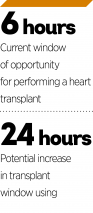
This could be a game-changer for organ transplants. At present, there is only a narrow window of around six hours in which a heart can be removed from a donor and transplanted into a recipient. Synthetic bear bile, however, could theoretically increase this by up to 24 hours, meaning that a heart could be transported to pretty much anywhere on the planet. By increasing the number of organs available, thousands of people waiting for heart transplants could be saved.

It could also help with the procedure itself. Transplanting a heart involves removing it from the donor, packing and icing it, and oftentimes transporting it to another location. During this time,
ischaemia, where the organ is prevented from getting enough oxygen, can occur. But Iaizzo believes that preconditioning the heart with these upregulated hibernation factors from bears could limit ischaemic damage. This is particularly crucial for organ recipients who have other medical issues, aside from cardiac problems.

“If I can minimise the consequences of ischaemic damage and put that heart – or any organ – in that recipient, it should function better immediately, it might decrease complications and the ICU [intensive care unit] stays, and [lead] to long-term better outcomes,” Iaizzo said. “So this is what we’re pretty interested in.”

Muscle atrophy
There’s potential for other areas too, particularly in terms of muscle weakness and patients who have been immobilised during intensive care. As Iaizzo explained, despite various methods to help alleviate this, patients can fall into hypercatabolic states, in which they can lose up to 50 percent of their muscle mass within just a few weeks. “And when that happens, very typically they’ll end up on the ventilator, and if that happens the outcomes are usually not good,” he added.

As such, Iaizzo is examining how bears manage to maintain high levels of muscle function and lose minimal skeletal and cardiac muscle masses while immobilised during hibernation, and how this can be applied to such patients. His research starts with looking at the cascade of hormones that is released during hibernation – also known as ‘hibernation induction triggers’.

“We’ve started out collaborating with Peter Oeltgen at the University of Kentucky… He had been looking at the plasma from hibernators and looking at these molecules, and showed that they had specific properties that could be protective of organs and muscle against ischaemia,” Iaizzo said. “And so we then started looking more into that and [bears] actually have increased levels of these hormones during hibernation, as well as increases in their circulating bile acids and fatty acids. So then we’re trying to tease apart which is most critical – is it the circulating hormones, bile acids or the high levels of fatty acids or a required combination? And so, if we could figure that out, there might [be] greater applications to human medicine relative to patients in the ICU or organ transplantation, or just cardiac surgery in general.”

Natural versus synthetic
Iaizzo and his team are doing some fascinating work with synthetic bear bile – using lessons learned from nature to improve the survival rates of those awaiting heart transplants is nothing short of extraordinary. It also demonstrates that there is viability to using synthetic bear bile as opposed to the real thing, which, considering the methods employed and the sources themselves, is inarguably cruel.

But whether this lesson will translate to those still poaching and farming bears, or those selling and using bile, is unlikely. Traditional Chinese medicine involves a deep-seated belief system for the millions of people who use such treatments. “They really believe in a balance in taking their medicine… and that the bear bile itself, with all of its components… has a more balanced effect on your body than just what is considered to be the ‘active ingredient’ – a compound called ursodeoxycholic acid, which can be created in a lab,” Garshelis explained.

The notion of using natural remedies is fundamental in traditional Chinese medicine, and this is where synthetic alternatives fall short. “There is the belief that the bile that comes from a bear, which is composed of many different compounds that have yet to be synthesised, is just inherently better than artificial bile, where these substances are absent,” Garshelis added.

While synthetic bear bile may well do little to reduce demand for the real thing, it is currently being explored for some potentially phenomenal developments in western medicine. It also highlights the possibilities available to scientists when they study the countless facets of the natural world. “Maybe we should go back to these more natural remedies and look back to the past,” Iaizzo said. “For example, many have been used in eastern medicine for thousands of years.” Indeed, imagine what treasures of information there are out there to be discovered –
or rediscovered, as the case may be.

Germany’s digital hubs are transforming Baden-Württemberg

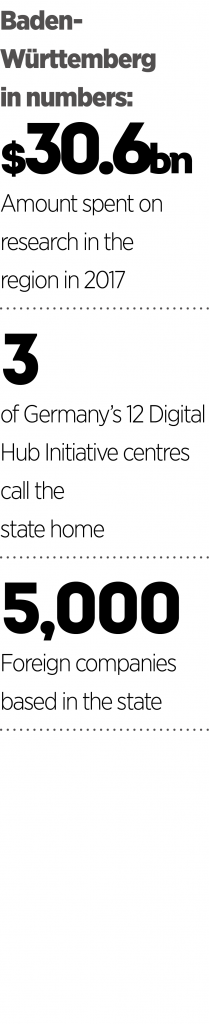
Baden-Württemberg is swiftly becoming one of Europe’s leading investment and innovation centres, with more than 5,000 foreign companies having already based themselves in the state to benefit from its unique opportunities. This is especially the case in sectors focusing on artificial intelligence (AI) and studies into future mobility. Indeed, Baden-Württemberg excels in research and development – in 2017, research expenditure totalled €27.9bn ($30.6bn), or a sizable 5.6 percent of the state’s GDP.

Prior to 2016, there was a significant lack of digital investment and development in Germany, especially in rural areas. With criticism centred on this fact, Baden-Württemberg decided to launch a multi-disciplinary digitalisation strategy called digital@bw at the end of 2016. Around €1bn ($1.1bn) of investment was secured, with a plan for it to be delivered by 2021. Of this, €122m ($134m) was invested in more than 500 broadband projects in 2018.

Out of the 12 hubs within the nationwide Digital Hub Initiative (a network of innovation centres with specialised focuses), three are located in Baden-Württemberg: a future industries hub in Stuttgart, a digital chemistry and health hub in Mannheim, and an AI hub in Karlsruhe.

The south-western region has the highest industrial density in Germany and is known for its world-leading companies in the automotive sector

Innovative network
Baden-Württemberg’s Cyber Valley lies between the cities of Stuttgart and Tübingen. These cities have a strong heritage in research and education, are home to two renowned universities, and boast several research institutes. The south-western region has the highest industrial density in Germany, and is known for its world-leading companies in the automotive and engineering sectors, including Daimler, Bosch, SAP, Porsche and ZF Friedrichshafen.

Further, 10 independent research groups carry out fundamental research in the field of AI throughout Cyber Valley. Collectively, the groups research machine learning, computer vision and robotics. Researchers are specifically seeking novel numerical algorithms that will enable learning machines to process information faster and more reliably, as well as intelligent software for self-driven vehicles and smarter traffic-guidance systems.

It’s no surprise, then, that Baden-Württemberg has become a popular headquarters for tech start-ups and small and medium-sized enterprises (SMEs). The federated state offers not only an ideal ecosystem for aspiring firms, but also a strong industry base with an exciting mix of SMEs and multinationals – all of which are potential clients.

The Digital Hub Initiative is both recognition for the achievements of the past and a boost for the future. On the one hand, the label is an award for regions for their competence in their respective technological fields. It also helps to boost their respective strengths by supporting knowledge transfer and connecting established companies to innovation partners from both the scientific and start-up communities.

The future of industry
Baden-Württemberg has established itself as a vital base for the anticipated tech boom in AI technology, as well as a key player in the integration of AI within the transport sector. For example, the Active Research Environment for the Next Generation of Automobile (ARENA2036) programme, which is located in the region, continues to revolutionise the automotive industry.

Set up on the campus of the University of Stuttgart as a factory of the future, ARENA2036 allows onsite testing of research findings from the manufacturing and development sectors. In particular, it focuses on integrated lightweight and innovative manufacturing technology, and benefits from close links to start-up Autobahn, a business accelerator for start-up companies working on hardware or software-based mobility solutions. In 2036, the programme will celebrate the 150th anniversary of the invention of the automobile in Baden-Württemberg by Karl Benz.

Opening Baden-Württemberg up to foreign markets and highlighting the region as a global leader for industry, business and science have always been the core aspects of our mission. The work we do at Baden-Württemberg International aims to secure and strengthen the position of the state over the long term by encouraging foreign capital investment, helping companies to settle and promoting cooperation between businesses and cutting-edge research.

Mobile phones are changing personal finance across Africa

When it comes to mobile money, sub-Saharan Africa is leaps and bounds ahead of other regions. Transactions using some sort of digital currency have a value of close to 10 percent of GDP, according to the World Economic Forum, compared with seven percent of GDP in Asia and less than two percent in Europe and the US.

But while statistics for the overall region paint a resoundingly positive picture, a closer look reveals that there are significant disparities between individual nations. In Kenya, for example, 73 percent of the population has a mobile bank account, and payment services such as M-Pesa dominate the country’s financial landscape. Yet in Nigeria, just six percent of the population use their phones for financial transactions, and 60 percent don’t have a bank account at all, despite the country being Africa’s largest economy.

The reason for this stark disparity lies predominantly in the difference between the two countries’ economic approaches. Tackling political barriers to reform is no doubt challenging, but it is a necessary and worthwhile endeavour: it will strengthen intracontinental trade and business ties, as well as make it easier for underbanked Africans to control their finances.

Leading the way
When M-Pesa launched in 2007, it was one of the first services to facilitate mobile transfers, not only in Africa, but worldwide. It had just two predecessors – Globe Telecom and Smart Communications – both of which began offering SMS transfers to customers in the Philippines in 2005. M-Pesa’s product, which was developed by mobile network Vodafone, allowed users to keep up to KES 50,000 ($480) in a virtual bank account, from which they could send funds to friends or relatives.

M-Pesa’s surprising success lies in the fact that mobile phone penetration has grown at an astonishing rate in Kenya over the past 10 years

For a country with an extremely large unbanked population, this was revolutionary. In 2006, just 18.5 percent of Kenyans had access to formal financial services; this was predominantly due to a lack of mainstream lender infrastructure, particularly in poorer rural areas. Banks had little motivation to establish retail branches or even ATMs in these locations due to the expense and a perceived lack of demand, but this perpetuated the issue of financial disenfranchisement, as residents did not have the means to travel to larger cities simply to access a bank. What’s more, it was unlikely they would be accepted for a bank account due to a lack of available funds or appropriate documentation.

It seems improbable that mobile money could have taken off so rapidly in such a disconnected and financially disempowered environment, but M-Pesa’s surprising success lies in the fact that mobile phone penetration has grown at an astonishing rate in Kenya over the past 10 years. This allowed the payments firm to gain a foothold in areas not previously touched by traditional financial services.

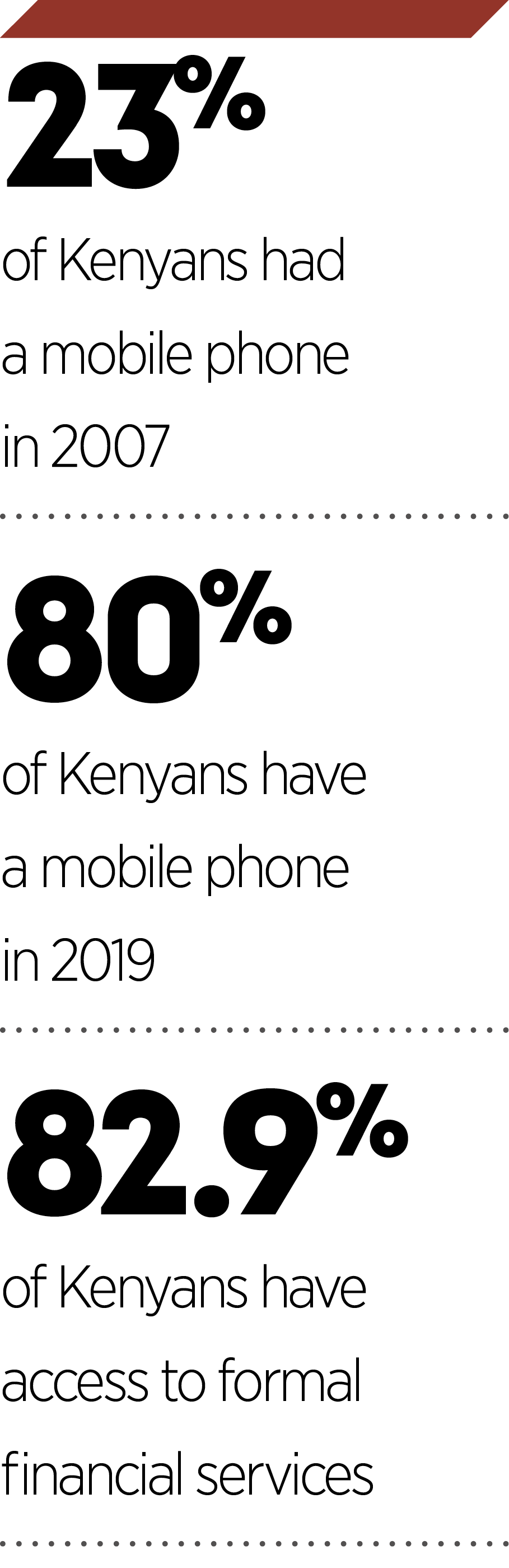
In 2007, 23 percent of the Kenyan population had a mobile phone, but in 2019, that figure has risen to 80 percent – an increase that was largely facilitated by investment in electricity and internet infrastructure at both a private and public level. Concurrently, the number of adults with access to formal financial services, including mobile payment services such as M-Pesa, has since risen to 82.9 percent.

Political opposition
Mobile adoption, while significant, is not the only factor that has contributed to the growth of Kenya’s digital financial landscape. Politics also played a key role: in 2007, Kenya’s traditional lenders heavily lobbied the government to crack down on M-Pesa, claiming the emergent firm was akin to a pyramid scheme and was overstepping the mark in launching financial services. They would have succeeded, too, had it not been for Bitange Ndemo, the permanent secretary of the Ministry of Information, Communications and Technology at the time, who made a strong case for the merits of mobile payments to President Mwai Kibaki.

Thanks to Ndemo’s persuasion, Kenya’s mobile money sector was able to thrive, but in other African nations the political environment has not been so conducive to success. In Nigeria, a regulation existed until 2017 that prevented network operators from transferring money for customers without the intervention of a bank. This was lifted by the Nigerian Government in the hope that it would help to boost the country’s financial inclusion rate, which stood at 40 percent at the time, according to World Bank research. However, the move was heavily opposed by traditional lenders, which had lobbied the government for years to prevent Nigeria’s powerful telecoms firms from entering the financial services sector.

In Zimbabwe, it has seemed in recent years as though mobile money could take off in a similar vein to Kenya. “Not as far as bitcoin or anything like that, but a very informal variant,” said Professor Stephen Chan, a professor in the Department of Politics and International Studies at SOAS University of London. “It was very much at a grassroots level, but the grassroots in Zimbabwe is very fired up [as a result of the country’s fragile economic situation] and very canny.” Any potential progress in the sector, however, has been quashed by the Zimbabwean Government. “The government was very reluctant to allow essentially a virtual economy to spring up, because it couldn’t control it,” Chan added.

Zimbabwe’s highly conservative minister of finance, Mthuli Ncube, has implemented a series of policies that have made it near impossible for payment firms to gain a foothold, the latest being the addition of a two percent tax on every transfer carried out via mobile. While Ncube claims this serves to prevent tax evasion, it also prices out many Zimbabweans from using mobile payment services. Following its implementation in August this year, Zimbabwe’s consumer rights association issued a statement claiming the tax will “not only burden the impoverished consumer, but will also drive the costs of doing business”.

Trust issues
Reticence to mobile money also comes from the people themselves, particularly in countries where traditional currency has been plagued by hyperinflation and corruption. In Zimbabwe, former prime minister Robert Mugabe’s overzealousness with the financial printing press contributed to one of the worst hyperinflationary episodes in global history, wiping out citizens’ savings and leaving the country without a stable national currency ever since. Kenya, meanwhile, was forced to discontinue its KES 1,000 ($10) note earlier this year after it emerged that it was routinely counterfeited. What’s more, according to Transparency International, more than a quarter of Africans have had to bribe an official to access public services in the past year, with the vast majority of such payoffs supplied in cash.

These deep-seated issues have not only eroded people’s purchasing power, but have also severely dampened confidence in both government and financial institutions. It’s little surprise, then, that the citizens of these nations have not embraced mobile money with open arms, as they have no guarantee that digital currency will not be beleaguered by the same problems.

Tackling these trust issues is crucial if mobile money is to succeed unilaterally across Africa, but nations will see the greatest success if they combine an anti-corruption drive with a comprehensive infrastructure investment programme. As for political opposition, M-Pesa’s success in Kenya has proved that mobile money has huge potential for good, particularly in terms of financial inclusion. This is the case not only for individuals, but also for small businesses, which are often a key economic driving force in rural areas. Allowing a private firm to provide those services – while an unfavourable choice for countries with highly conservative economic regimes – is a necessary trade-off in order to obtain the numerous benefits associated with mobile money.

How smart data can safeguard the planet

One of the major dilemmas facing the world today is how the West can reduce its carbon footprint to offset the developing world’s industrialisation and increased carbon footprint. Digitalisation could provide some of the answers. Through the Internet of Things (IoT), digitalisation gives organisations the ability to collect valuable data from anywhere and in real time. This data can be used to make better-informed decisions and control processes, which in turn can minimise resource usage or waste.

The IoT delivers smarter, incremental solutions, as opposed to a ‘big bang’ approach to environmental change, where industries are expected to make sweeping changes overnight. An example of this is the development of the hybrid electric car – something being driven incrementally by industry, politics and, crucially, the market. In terms of sustainability, I’m not strictly talking about the engine: the data from devices like cars provides valuable information about how it is driven, in what conditions, its maintenance requirements, its consumption, its design, live traffic and alternate route information – multiple factors that can help minimise environmental impact. For example, by 2021, more than 5,000 London buses will be fitted with STW Technic’s TC1 Telematics Controller to monitor and analyse bus emissions in real time, providing valuable data on carbon emissions for future study and action. This could have a major impact in the city, which recently introduced ultra-low emission zones to improve air quality for its eight million residents.

Water management is another example of how to reduce resource usage and wastage. In England and Wales, 3.3 billion litres of water are lost due to leaky pipes every 24 hours – an amount that could sustain more than 20 million people for an entire day. Water management is a top priority in cities and remote areas alike, and Software AG is helping to create a solution that works across all geographies. In partnership with Telstra and Busselton Water, we are developing the Cumulocity IoT-based solution in Western Australia. The project combines digital meters, dedicated pressure sensors and Telstra’s NB-IoT network which, along with our IoT analytics solution, will deliver an accurate and effective water management service.

Software AG recently celebrated a half century of transforming customers’ lives through innovative products

Forging a green alliance
No single company can provide a perfect one-size-fits-all solution to every digital requirement, but a diverse IoT network can go a long way. This is the type of industrial strategy the EU excels at: collaboration at the highest level combined with individual solutions for individual problems. At Software AG, we have worked with Siemens, Deutsche Telekom, Dell and many other firms to remain at the forefront of the next industrial revolution over the coming decade.

The potential of industry collaboration is enormous. If power suppliers and individual consumers would work together to create smart grids, they could achieve a dramatic decline in greenhouse gases. Smart grids could help recover some of the six percent of transmitted power that ‘disappears’ in Europe and the US every year. Forecasts show that by 2030, the EU could generate 50 percent of its power from renewable sources. Smart meters will be vital in making this transition, along with the adoption of more IoT technology, such as smart buildings.

We are also working in collaboration with the Nordex Group, a leading supplier of wind turbines. Nordex is set to upgrade its 6,800 wind turbines using our IoT platform, which will provide clients with full-service monitoring to optimise the performance of their wind turbines and maximise their investments.

The interest in the possibilities of the IoT is there. We are in constant conversation with various organisations about how we can help them better implement IoT technologies, whether it’s for medical research or streamlining manufacturing. The most important thing is for IoT technology to offer freedom through adaptable automation, reducing day-to-day human involvement. Software must be independent and enable companies to change quickly so they can adopt emerging technologies and ensure maximum customer retention for years to come. We will continue to offer sustainability by providing freedom of choice, freedom to innovate and freedom to adapt.

Software AG recently celebrated a half century of transforming customers’ lives through innovative products. Today, we are recognised as one of the most visionary companies in the industrial IoT space. Everything the company has learned on its journey to date is utilised every day to lead our IoT software developments. This approach will serve us and our customers well as we look ahead to the next 50 years.

An element of success: hydrogen-powered cars could be around the corner

On the remote archipelago of Orkney, off the north coast of Scotland, locals often say you don’t need an umbrella – you need a riot shield. Orkney is almost entirely flat with very few trees, so when the islands are not being battered by storms and gale-force winds, they are usually swamped in haar, a damp fog that sweeps in from the sea. Hugh Marwick, a scholar who lived on Orkney during the first half of the 20th century, once called its climate “one of the vilest under heaven”.

But abysmal weather brings unique advantages, too: Orkney is one of the few places on Earth that sustains itself solely on renewable energy. Its winds, waves and tides generate around 130 percent of the electricity its small population needs. With such a surplus of energy, Orkney has even had to explore new ways of storing power to ensure it doesn’t go to waste. The answer, it found, was to convert excess electricity into hydrogen using a zero-carbon method. In 2017, Orkney became the first state to generate hydrogen from tidal power.

Now, the world’s superpowers are looking to this tiny corner of the planet for inspiration. Many have committed to decarbonising their economies: the EU seeks to achieve net-zero carbon emissions by 2050, while China has promised to bring emissions to a peak by around 2030. But in order to meet such ambitious targets, governments will have to broaden their renewable energy efforts to include hydrogen fuel.

Bumps in the road
Hydrogen is the most abundant element in the universe. By mass, it has the highest energy content of any fuel and, when burned, it produces no carbon emissions – only water. This makes it a highly attractive alternative to fossil fuels, particularly in sectors where electrification may not prove as effective, such as aviation, shipping, iron and steel production, or long-distance road transportation.

Investment and government support are precisely what the hydrogen sector needs if it is to play a key role in the clean energy economy

The concept of hydrogen fuel first became popular in the 1970s, when the term ‘hydrogen economy’ was coined by electrochemist John Bockris. During the multiple oil crises of the 1970s, many research programmes were launched into its commercial application, while conferences were held in the US, Europe and Japan. Despite these efforts, though, hydrogen had a hard time winning people’s hearts: the technology required for hydrogen production proved to be very expensive to develop and, once oil prices returned to pre-embargo levels, interest in lowering those costs waned.

Hydrogen regained some of its popularity during the late 1990s and early 2000s, as the world became obsessed with moving away from oil. An article published by Scientific American in 1998, entitled The End of Cheap Oil, even suggested global production of conventional oil would decline within 10 years: this would supposedly occur amid fears that prices would peak while demand kept rising, plunging the world’s economies into crisis. It was largely due to this belief that US President George W Bush became a strong proponent of hydrogen fuel cells. In 2003, he committed $720m to research into this area. Unfortunately for Bush, his successor’s secretary of energy, Steven Chu, later diverted much of that funding into battery research, causing hydrogen to fall out of the spotlight once again.

Light-bulb moment
Public awareness of the potential of hydrogen is still relatively low. Among climate advocates, automakers and governments, though, it is enjoying a renaissance: Japanese automaker Toyota, for example, has consistently bet on hydrogen technology, launching its first fuel-cell vehicle in late 2017, and this year, ahead of the G20 summit in Osaka, the International Energy Agency claimed the world was on the cusp of finally unleashing hydrogen’s potential. “Given the nature of the current climate emergency, the utilisation of a clean fuel generated from renewable energy sources is gaining significant traction,” Anthony O’Mullane, a professor of science and engineering at Queensland University of Technology, told The New Economy.

However, most of today’s hydrogen is far from clean. In fact, about 96 percent of total hydrogen production is made using methane, while just four percent comes from water electrolysis – the method of production through which zero emissions are emitted. What’s more, a huge shift is needed if water electrolysis is to occur on a large scale. It’s for this reason that hydrogen still has critics: Tesla CEO Elon Musk, for example, has dismissed hydrogen fuel cells as being “mind-bogglingly stupid”.

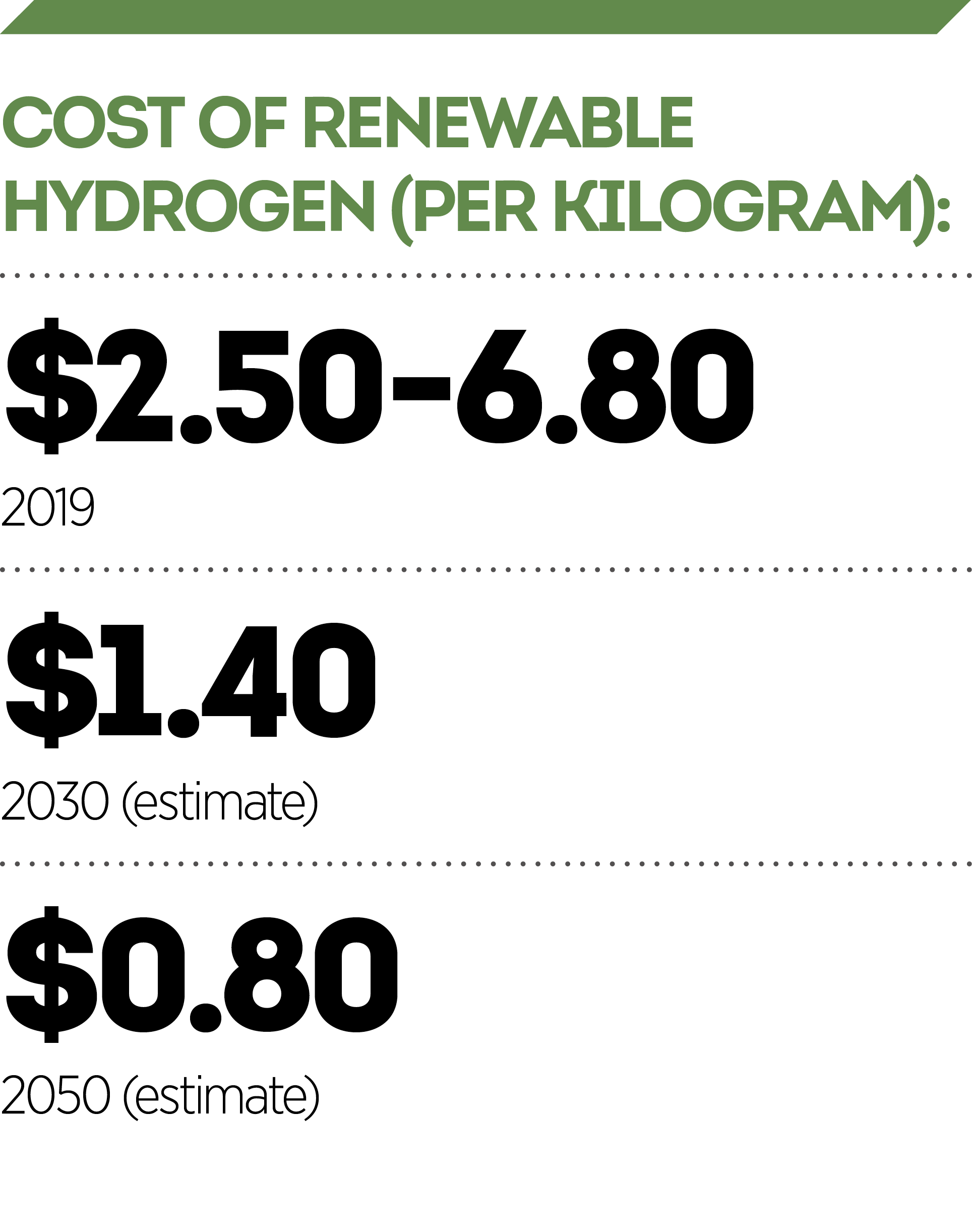
Despite the criticisms of Musk – who, as the head of an electric car company, may be slightly biased against fuel cells – studies suggest that producing hydrogen through water electrolysis is set to become much cheaper. In August, Bloomberg New Energy Finance (BloombergNEF) reported that the cost of renewable hydrogen could fall as low as $1.40 per kilogram by 2030, down significantly from the current range of $2.50 to $6.80. It even suggested this figure could drop to $0.80 by 2050, which would finally make hydrogen an economically viable, carbon-free energy source.

“The main barrier to the uptake of large-scale electrolysis to produce hydrogen has been cost,” O’Mullane said. “However, with improvements in electrolyser technology and manufacturing processes, this cost is steadily decreasing.”

One of the things that has made water electrolysis so expensive in the past is the catalysts used in the process, which are typically made from costly metals such as iridium oxide and platinum. But O’Mullane, along with PhD student Ummul Sultana, recently discovered a way of using cheaper and relatively more available materials instead. Technological advancements like this could, in the long term, help meet BloombergNEF’s estimates.

Powering forward
Government pressure will also play a key role in commercialising hydrogen technology. In light of the EU’s zero-carbon targets, German engineering company Bosch announced in April that it would be teaming up with Swedish fuel-cell company PowerCell to begin mass producing fuel cells for trucks.

“The EU’s fleet requirements for trucks call for a reduction of CO2 emissions by 15 percent on average by 2025, and 30 percent by 2030,” Heather Butcher, PR and Communications Manager at Bosch UK, told The New Economy. “Bosch’s view is that this target can only be reached by electrifying more and more of the powertrain. The fuel cell can play a decisive role here.”

Among the countries most aggressively pursuing hydrogen adoption is China, which aims to get one million fuel-cell vehicles on its roads by 2029. While it’s easy to scoff at such a proposal – the country is currently home to just 1,500 fuel-cell vehicles, most of which are buses – one must remember that China has made similar leaps in the recent past. Having lagged behind Japan, South Korea, the US and Europe until as recently as 2014, China is now the world’s largest electric vehicle market. It didn’t claim the top spot by accident, either: according to the US-based think tank Centre for Strategic and International Studies, China has spent an estimated $58.8bn subsidising the electric car industry over the past decade.

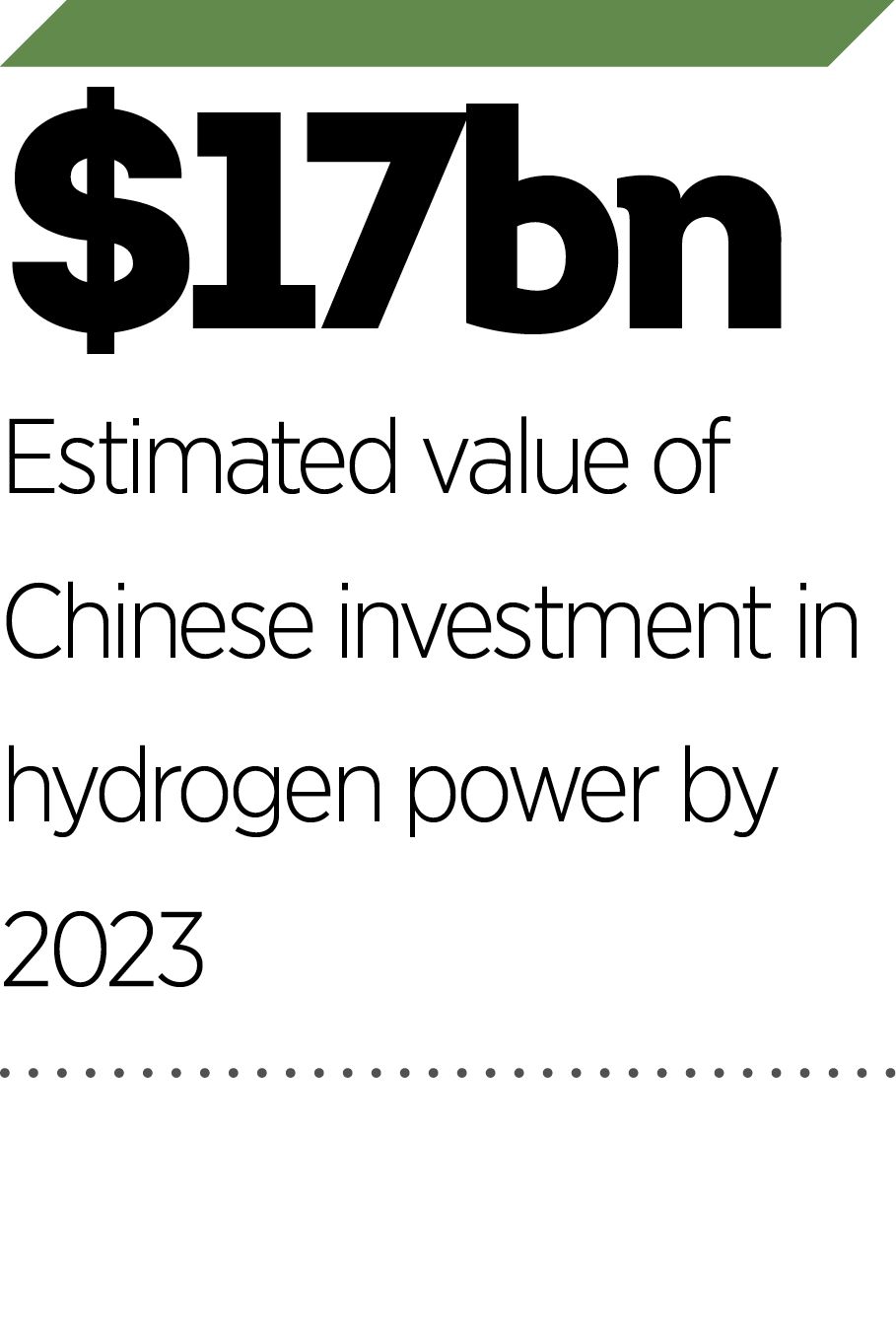
Now, it plans to do the same for hydrogen. In September, the South China Morning Post reported that local authorities in 10 Chinese cities will hand out incentives of between CNY 2m ($280,190) and CNY 4m ($560,381) for each refuelling station constructed. When the country’s acquisition of foreign hydrogen technology is taken into account, BloombergNEF estimates that China will have invested over $17bn in hydrogen by 2023.

Investment and government support are precisely what the hydrogen sector needs if it is to play a key role in the clean energy economy. Although production is becoming more affordable, the difficulties of achieving large-scale hydrogen adoption should not be underestimated. Fuel-cell vehicles will need to compete with electric cars at a time when batteries are becoming cheaper and more efficient. With enough subsidisation, though, renewable hydrogen may finally find a home beyond the remote islands of Orkney, and take its place as the world’s preferred carbon-free energy source.

Tackling the social determinants of health and rebalancing healthcare

In 1948, shortly after the end of the Second World War, the World Health Organisation (WHO) was formed. This institution was created as a means to coordinate international health efforts, defining health as “a state of complete physical, mental and social wellbeing, and not merely the absence of disease”.

On March 25, 1965, ahead of the second national convention of the Medical Committee for Human Rights in Chicago, Illinois, Dr Martin Luther King Jr proclaimed: “Of all the forms of inequality, injustice in healthcare is the most shocking and inhumane.” Just 13 years later, in 1978, the WHO and the United Nations Children’s Fund convened at the International Conference on Primary Healthcare held in Alma-Ata. For the first time, healthcare challenges facing developing countries were seriously examined, resulting in the Alma-Ata Declaration. This declaration recognised the need for primary care in all nations and established a demand for equitable healthcare access.

The social determinants of health (SDOH) were created by the WHO with the aim of identifying the main causes of global health crises

However, in 2019, equitable access to healthcare still remains a significant challenge, both within the US and around the world. The social determinants of health (SDOH) were created by the WHO with the aim of identifying the main causes of global health crises. Providing equitable healthcare is hindered, compounded and exacerbated by income inequality, with poorer patients among the most at risk for receiving inadequate healthcare. This group – which accounts for the largest instances of avoidable healthcare costs – is affected by increasing rates of chronic disease, and also comprises healthcare patients who are in greatest need of support as defined by the SDOH. According to the landmark study Beyond Health Care: New Directions to a Healthier America by the Harvard T H Chan School of Public Health, an individual’s zip code in the US is a more accurate indication of future health outcomes than genetics are.

Global healthcare delivery is taking its lead from studies such as Harvard’s, as well as The Economic Burden of Health Inequalities in the United States, published by the Johns Hopkins University School of Medicine and the University of Maryland. The study claims: “More than 30 percent of direct medical costs faced by African Americans, Hispanics and Asian Americans were excess costs due to health inequities – more than $230bn over a four-year period. And when you add the indirect cost of these inequities over the same period, the tab comes to $1.24trn.”

What was once an ethical debate on the ways to tackle poverty – largely through improving housing, food, transportation or employee health and wellness – addressing SDOH has now primarily become a matter of healthcare economics. Health interventions for populations, once deployed only by necessity, can now be considered a secure and direct way to inspire innovative healthcare delivery solutions aimed at improving SDOH.

Chief among the solutions being rapidly scaled and deployed in response to this issue are software as a service (SaaS) technologies, such as TAVHealth, Healthify, Unite Us, Aunt Bertha and NowPow. These systems will be rolled out within the healthcare IT domain, but demonstrate promise for having a real-world impact for populations at risk.
The common denominator among SaaS solutions is their ability to strengthen the connection between patients and community resources. Their objective is to determine, measure and track when a social determinant has been addressed across the patient’s delivered care. As a result, hospital readmissions across the US – currently a more than $17bn annual systemic cost – could be markedly decreased. Reducing the financial burden to hospitals while simultaneously improving clinical outcomes for patients should be the aim of emerging SDOH SaaS technology companies: in doing so, tech companies would be moving the needle on SDOH in a more cost-effective direction.

Nevertheless, in preventing, detecting and providing early diagnoses for chronic diseases, SDOH SaaS tech companies fall short. There is a huge opportunity to target and address populations and their community health, which remains a key factor of the global healthcare crisis.

Surveying the damage
According to the 2019 Health Intelligence Network survey Healthcare Benchmarks: Social Determinants of Health, which gathered the opinions of healthcare professionals and screened patient populations for social determinants by prioritising their responses: “High-risk patients (those with two or more chronic conditions) are the leading patient populations targeted for [SDOH] screenings.”

High-risk patients with two or more conditions made up 42 percent of the survey respondents. Patients using Medicaid comprised 37 percent, those with behavioural health conditions represented 36 percent, low-income patients 32 percent, and the dual eligible made up 31 percent. Meanwhile, disease-specific patients made up 31 percent and those on Medicare represented 29 percent of respondents. Disabled patients made up 24 percent, the uninsured were 22 percent, and infants and children were 18 percent. Finally, others made up just eight percent of respondents.

The above online survey may be corroborated by the Deloitte Centre for Health Solutions, which, with roughly 300 hospitals and health systems in the US, intends to identify current health-related social needs, activities and investments, as well as the potential future direction of the industry. Deloitte’s efforts were aimed at better understanding how hospitals and health systems are operating, along with developing an insight into the challenges they face within the larger healthcare ecosystem. Interviews took place at hospitals, health-plan meetings and non-profit community organisations. Two key takeaways from the study were that hospitals are screening patients based on their social needs, and that the healthcare system is shifting towards value-based care, which may spur more investment for tackling the health problems associated with social needs.

Hospital investments vary, and sustainable funding may be a challenge. The healthcare stakeholders interviewed think that addressing health-related social needs is the ‘right thing to do’, and expect that alignment with value-based care will continue to encourage partnerships and produce innovative solutions.

Connecting the dots
Americans from all demographic groups face challenges to fulfil basic needs for housing, transportation, food and social needs, all of which can negatively impact physical and mental wellbeing when absent. Building housing and providing food for every American in need, as well as addressing other SDOH issues, is simply not sustainable.
In summation, it is clear from the research on SDOH that the debate over whether social factors are fundamental causes of health and disease is essentially over. A large body of research currently shows that society can make you sick or can promote your health, depending on a wide variety of factors. With this direct relationship now uncovered and agreed upon, the next step is therefore to define the causes and consequences of this phenomenon.

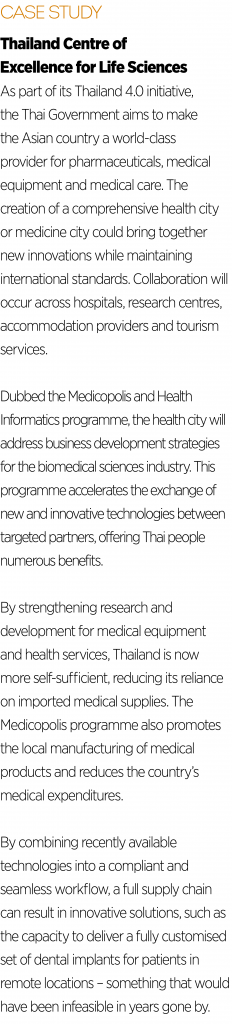
A standard of care brought forward by the WHO would likely transform personal health, systemic healthcare and healthcare delivery, as the capabilities of real-time physical health data is garnered using a personalised digital physical exam screening (PDPES). This MRI scan non-invasively images full-body or organ-specific tissue, requiring no contrast mediums or radiation, thus offering unparalleled safety for patients, including for paediatric, renal, diabetic and elderly patient populations.

When employed in addition to point-of-care physical exams, PDPES may unveil the onset of chronic disease, occult pathology or disease progression, and could potentially transform global healthcare. This technology also has the capacity to circumvent issues of health disparity among diverse populations: for example, the ability to promote pre-emptive imaging and catch diseases before they progress to life-threatening stages could allow for earlier intervention by physicians, who could then produce patient management plans at the first stages of the disease. This view is shared by the WHO, which stated in a presentation entitled Increasing Access to Diagnostic Imaging in Developing Countries: the Asha Jyoti Mobile Clinic: “Diagnostic imaging plays an important role not only in identifying pathology and tracking the progression of a disease, but also preventing disease via screening.”

Imaging innovations in healthcare will take SDOH strategy to the next level, marrying upstream care with increased access to the patients with the greatest need. Imaging has the potential to be invaluable for all patients within the health continuum, whether downstream, midstream or upstream.

Prevention is better than a cure
Individuals, communities, health insurers and public health more generally are most effectively influenced beyond the walls of hospitals. Community organisations connected by SaaS technology currently only scratch the surface in terms of early disease intervention. Healthcare providers must go further by investigating the sources of the disease. One way to do so is by developing technology that unveils health issues caused by lifetime or generational exposure to unaddressed SDOH factors before diseases develop further, thereby improving treatment and preventing the costs to the healthcare sector associated with developed diseases. This is the invaluable potential of the personalised digital physical exam. For example, US hospital emergency department (ED) physician culture and inadvertent human error may undermine SDOH and cause avoidable hospital readmissions. Federally mandated procedures are often altered and patient history screenings are shortened in crowded EDs. This may be a new norm within US urban hospitals, and highlights the importance of mitigating and implementing a PDPES alongside standard health screenings within EDs.

In the wake of increased rates of chronic disease and acute illness around the globe, healthcare providers and policymakers cannot wait any longer. Evidence suggests that currently available quantitative imaging technology capable of deploying innovative precision medicine – i.e. the personalised digital physical exam – when used in conjunction with traditional bedside physical exams may bend the curve on chronic disease, health and healthcare inequity, the health and wellness digital divide, physician burnout, and total cost of care. This is known as the ‘quadruple aim’ – a robust, upstream SDOH solution.

The costs to individuals and the system of putting off this innovation are simply too great. We cannot wait any longer.


SoftBank left reeling after $8.9bn Vision Fund loss

On November 6, Japanese investment giant SoftBank reported its first quarterly loss in 14 years, with its Vision Fund suffering a loss of JPY 970bn ($8.9bn). The huge loss shows that SoftBank has taken significant financial risks by investing in cash-burning start-ups, such as WeWork and Uber.

After WeWork’s failed IPO attempt, SoftBank was forced to bail out the start-up for more than $10bn in October

Between July and September, SoftBank reported an operating loss of JPY 704bn ($6.45bn), having made JPY 706bn ($6.47bn) in profit over the same period a year earlier. The steep loss was far worse than expected – analysts polled by Refinitiv had forecast a loss of JPY 48bn ($442m).

The damage came after SoftBank wrote down the value of some of its biggest investments. After WeWork’s failed IPO attempt, SoftBank was forced to bail out the start-up for more than $10bn in October. The valuation losses in its Vision Fund were also exacerbated by the falling share price of Uber, which lost more than $1bn in the third quarter.

Ultimately, SoftBank has poured more than $70bn into 88 companies, steadily growing its portfolio since 2008.  Its billionaire CEO, Masayoshi Son, who was an early investor in Alibaba, had previously garnered a reputation for wise investments, but the WeWork fiasco has cast serious doubts over his strategy. After the start-up’s botched IPO, Son was accused of placing too much faith in charismatic founders and pouring money into unprofitable ventures. Speaking to investors, he admitted that his decision-making had been poor. “There was a problem with my own judgement, [and] that’s something I have to reflect on,” he said after revealing the quarterly results.

The huge loss comes as SoftBank attempts to launch another $100bn venture fund. Son is expecting significant contributions from the Saudi Arabian Government, which also invested heavily in the company’s first Vision Fund. However, the latest revelations about SoftBank’s investment failings could put his plans in jeopardy.

Nokia targets Malaysian ports for 5G business, but faces competition

Nokia is making a push into Malaysian ports with hopes of tapping into the South-East Asian country’s 5G market, Reuters reported on November 1. Malaysia is currently one of the leading players in Asia’s 5G race, with plans to launch the technology in 2020.

In recent years, Nokia has focused on deploying 5G technology to make port operations safer and more efficient. Last year, the company partnered with Germany’s Port of Hamburg to test 5G functionality. Use cases included managing traffic lights, processing environmental measurement data in real time and harnessing virtual reality to monitor watergates and constructions areas.

Nokia faces tough competition in Malaysia from Huawei, which has already signed 5G deals with telecommunications firms in the country

Now, the Finnish telecoms giant wants to apply what it has learned to the busy ports of Malaysia. With two of South-East Asia’s major sea lanes on its doorstep – the Strait of Malacca and the South China Sea – Malaysia is one of the most important shipping hubs in the region. The development of intelligent ports could help the country capitalise on its position and increase its competitiveness on the global stage.

But Nokia faces tough competition in Malaysia from Huawei, which has already signed 5G deals with telecommunications firms in the country. Huawei has come under intense scrutiny recently amid allegations that its equipment could be used for espionage by Beijing. This led Washington to blacklist the firm and call for its allies to follow suit.

Nokia cited fierce competition with Huawei and the expense of rolling out 5G when it reported in late October that its shares had lost almost a quarter of their value. The Finnish firm has struggled to increase its market share in China, where Huawei is strongly supported. At the same time, the proposed merger of Sprint and T-Mobile in the US has caused disruption in the 5G market and pushed Nokia to the sidelines. Shunned by the two superpowers, it may be in emerging markets where Nokia stands to win business from its 5G roll-out.

SAP announces three-year cloud partnership with Microsoft

On October 21, Europe’s largest tech company, SAP, officially announced a three-year cloud computing deal with Microsoft. The deal will make it easier for SAP’s larger clients to migrate their business processes to the cloud. In return, Microsoft will sell its new partner’s cloud tools to its wide customer base.

Cloud computing has become central to the operations of several big tech companies

The partnership, called Embrace, will help clients run operations hosted at remote servers supported by SAP’s S/4HANA database, according to the company’s new Co-Chief Executive, Jennifer Morgan.

“This partnership is all about reducing complexity and minimising costs for customers as they move to SAP S/4HANA in the cloud,” Morgan said in the announcement. “Bringing together the power of SAP and Microsoft provides customers with the assurance of working with two industry leaders so they can confidently and efficiently transition into intelligent enterprises.”

The deal has helped SAP double new cloud bookings in the third quarter and eased any concerns customers may have had about moving from SAP’s traditional onsite model to its remotely hosted services. It is understood that SAP is also working with Amazon and Alphabet’s cloud platforms as it seeks to attract more customers.

Judson Althoff, Executive Vice President of Worldwide Commercial Business at Microsoft, said: “SAP’s decision to select Microsoft Azure as its preferred partner deepens the relationship between our two companies in a differentiated way and signals a shared commitment to fostering the growth of the cloud ecosystem.”

SAP’s announcement of its partnership with Microsoft arrives following the departure of CEO Bill McDermott, who headed the company for five years. Shares responded positively to the news, rising 2.3 percent. In an earnings report released earlier this month, the German tech company also revealed that its third-quarter revenue grew 10 percent compared to the same period last year, while profits grew 15 percent.

Cloud computing has become central to the operations of several big tech companies. Amazon, which migrated the rest of its databases from Oracle to its own service earlier this month, relies heavily on its cloud service for the majority of its profit. The company is currently locked in a contest with Microsoft to secure a $10bn ‘war cloud’ contract with the US military, which is expected to be announced in the coming months.

Top 5 reasons automation should be used for mitigating risk in a financial close

The financial close is a necessary but time-consuming process for companies of all sizes, from all sectors. During the financial close, a company’s accountants will verify account balances and create financial reports to give an accurate impression of the business’ financial standing. The task takes up a great deal of time and money and must be repeated throughout a company’s lifetime.

In today’s digital economy, time means money. The Journal of Accountancy found that 87 percent of financial professionals work overtime during the financial close process, demonstrating how inefficient current procedures are. Although many companies have begun to embrace digital transformation, in many cases this has not yet reached finance departments, which remain reliant on disparate legacy processes.

Rather than wasting time and money on tedious, manual and error-prone processes from the last century, it’s time to bring the financial close process into the digital age. With the right technology, such as Adra by Trintech, companies can ensure their financial close is conducted quickly, effectively and with reduced risks, leaving finance teams free to provide the strategic insight needed to achieve growth.

As well as a lack of visibility over numbers and performance, manual processes carry a higher risk of human error

CFOs must contend with a growing number of challenges, including assessing and mitigating financial risk. To do so using manual processes, such as going through emails, spreadsheets and paperwork, is ineffective.

As well as a lack of visibility over numbers and performance, manual processes carry a higher risk of human error, with potentially serious consequences. Mistakes can be costly, both for a company’s finances and its reputation.

Here are five ways intelligent software and automated processes can improve the financial close process:

Reduce the people involved
The more people that are involved in the financial close, the more opportunities there are for error. This can be seen in the old processes that many companies are still using to complete their financial closes.

According to Accountancy Age, only half of CFOs trust their numbers and 78 percent of finance directors are under pressure to close faster. Adopting record to report (R2R) automated processes not only reduces the number of people involved, but also improves the quality and reliability of financial data that is collected, removing some of the time pressures.

Put everything in one place
Collecting evidence and documentation during the financial close process has traditionally been a laborious task. Using dedicated financial close software, accountants can deploy standardised workflows across their company, enabling even inexperienced team members to follow intuitive guided processes to collect information for a financial close and risk assessment.

Automating this process delivers operational efficiencies and reduces the risk of supporting documentation being missed, figures being transposed incorrectly and other common problems found within legacy processes.

Increase transparency and visibility
When companies conduct their financial close manually, they can’t be sure if there have been missed tasks, data entry mistakes or misstatements until they reach the end of the process. With an automated approach to the financial close, companies don’t need to wait as long – they can catch an understated expense receipt before auditors come calling and achieve up to a 47 percent improvement in visibility, according to Trintech’s 2019 report, The Business Case for Automated Balance Sheet Reconciliations. This brings a major boost to planning organisational change in advance.

Financial close software will automatically document every step taken, producing a crucial timeline for compliance and audit checks, and removing the costs of human error.

When companies conduct their financial close manually, they can’t be sure if there have been missed tasks, data entry mistakes or misstatements until they reach the end of the process

Shifting focus
By using process automation during the financial close, organisations can create logical steps that execute elements of the workflow with precision. Once processes are correctly automated, they can be designed to occur in the same way every time.

With staff freed from time-consuming processes, they are able to refocus their attention on analysing the close. Meanwhile, CFOs and finance directors can focus on adding real value to the business.

Strict compliance
As more comprehensive compliance laws place greater strain on companies, leveraging technology for the financial close process will make it easier for businesses to meet their obligations. Automated R2R technology enables companies to create a full audit trail, granting internal and external auditors knowledge of workflow, priorities and emerging risks.

While the financial close will always involve a risk of errors, technological developments have made it easier for accounting professionals to mitigate risk. Financial close software goes far beyond the old methods associated with planning programmes.

No matter how capable finance and accounting teams are, without integrated technology, it is difficult to close quickly, efficiently and without risk. With automation, departments are beginning to realise that technology can make the financial close an easier and more effective task.

IBM partnership will use blockchain to improve quality of seafood

On October 17, IBM announced an initiative to trace scallops sourced from the Atlantic Ocean, in collaboration with Raw Seafoods. The fleet of scallopers working with IBM will record the details of each catch, noting the weight of the scallop, the time and place it was caught and the name of the vessel that caught it. This data will be shared with distributors, suppliers and retailers to improve accountability in the fishing industry.

In the US, around 80 percent of seafood is imported, which can leave the sector vulnerable to mislabelling and fraud

The supply chain has often been put forward as a use for blockchain technology. By providing an immutable record of all transactions, the blockchain can improve transparency and build trust between the various stakeholders on the supply chain.

“Traditionally, tracing the origin of a given food product could take days, if it was possible at all, especially for wild-caught sea scallops,” said Rajendra Rao, General Manager of IBM Food Trust. “By reducing that time frame to a matter of seconds, we’re able to solve three of the core consumer concerns that deter them from enjoying seafood: safety, sustainability and authenticity.”

In the US, around 80 percent of seafood is imported, which can leave the sector vulnerable to mislabelling and fraud. A 2019 study by conservationist group Oceana found that one in five seafood samples in the US were mislabelled. However, if all stakeholders could access the same information via the blockchain, it would be much harder for suppliers to pass off their catch as something it’s not.

When blockchain first entered the public consciousness, it was lauded as a revolutionary technology set to transform everything from elections to banking. More recently, however, interest in adopting blockchain technology has begun to wane. This may be because the maturity of the technology has been overstated, meaning it will be some time before the blockchain is widely adopted. Nonetheless, maritime trade remains a promising sector for blockchain thanks to the need for accountability in the fishing industry.