



Starving the world: why the global food industry needs to wake up

The global population is set to hit 9.7bn by 2050, up from 7.1bn in 2012. If the food supply industry remains in its current inefficient state, there will not be enough to feed the world. The rapid increase is already putting a considerable strain on the industry. The amount of waste is astronomical. The industry needs to be corrected quickly.

As much as 37 percent of food is currently wasted during production. This is a particular problem for developing countries, where factors such as undeveloped infrastructure can render produce unsanitary. If the food supply industry is to sustain an increasing population, then methods of production, transportation and storage must be modernised.

Food stats

Woman shopping in Tesco

7.1bn

Global population in 2014

9.7bn

Global population in 2050 (predicted)

4m tonnes

Edible food wasted annually

600,000

Children golden rice could save every year

37 %

Food wasted during production

25 %

Crops lost to pests in the developing world

The world is facing a food crisis. In addition to a rapidly expanding population, an increased use of biofuels and changing dietary requirements are exacerbating the issue. Yet it is difficult to prepare for this because of the volatility of the industry. Professor Tim Benton of Leeds University says the situation is fragile: “If there is a perturbation to the system created by some combination of extreme weather and civil or social unrest, or international wars disrupting supply chains, then the impact on almost any country could be quite profound.”

The cost of going local
Some argue a reduced dependency on external markets and increased self-sufficiency within nations is required to limit this risk. However, self-sufficiency is a fruitless aim; New Zealand’s economy, for example, is dependent on food exports. 50 percent of its total exports are food and beverages, a third of which go to EU markets. Self-sufficiency could ruin it.

While some environmentalists argue carbon emissions produced in the aviation required to transport food around the world are an argument against exports, there are other environmental costs in locally produced food. Were the UK to produce entirely its own food, the transport required to get that produce across the country would compromise the environment just as much as aviation. Urban food miles, such as the consumer’s journey to obtain the food and the journey of waste to land fill, also has a significant impact on the environment whether the product is produced locally or thousands of miles away.

A 2003 study by Simon and Mason showed it was more environmentally friendly for the UK to import apples from New Zealand than to eat local produce. Although the transportation produced CO2 emissions, the production process used far less energy in New Zealand than it would have done in the UK thanks to economies of scale. New Zealand also uses fewer pesticides and less fertiliser. A food supply chain reliant on locally sourced produce can be flawed. If consumers wish to continue enjoying a wide selection of food, regardless of whether the produce is in season or not, at an affordable rate, then imports are fundamental.

However, there are also economic and moral arguments against exports. It is harmful for a country’s economy not to support local farmers, especially when cheaply imported food forces them to lower their prices. The low costs of imported food suggest producers compromise on workers’ wages and labour conditions.

Import vs export 
Britain imports 46 percent of its food, leaving it at risk from volatility in foreign markets. If food production in external markets were to slow down, the UK would only be able to feed half its population.

Professor Benton considers efficiency to be the key: “If there is a disruption to one key ingredient, say lentils, should we be growing lentils, recognising that we would not be a competitor on a global market for growing lentils… or should we be finding market alternatives that are sustainable?”

China is experiencing the opposite problem: as a nation, it needs to import more food than it is able to. Much of China’s farmland has been industrialised as part of the rapid urbanisation of the country, so it is unable to produce enough food internally. Fuelling the need for imports is an increasingly affluent population who want to purchase an eclectic selection of produce.

A Chinese farmer harvesting wheat
A Chinese farmer harvesting wheat. A shortage of farmland has caused food prices in China to double in 10 years

Janet Larsen, Director of Research at the Earth Policy Institute, focuses on the population problem. She says: “With more people in the developing countries trying to move up the food chain to consume more meat, milk and eggs – and thus more grain embodied within – we are starting to see our food supply stretched tight”.

Traditionally, the Chinese have consumed a lot of pork. However, the emerging middle classes are diversifying their meat consumption in line with western preferences, so there has been a significant increase in demand for poultry and beef. Farming beef requires more than twice as much grain as is needed to farm pork. To produce this grain, China needs more farmland. The only solution is to import it, since local farmers are struggling to keep up with the demand. This shortage, according to the UN Food and Agriculture Organisation, has caused prices to double in the last 10 years.

Getting food to mouths
In the developing world, the problem is not so much a lack of space to produce food as a lack of resources to store and transport food to the consumer without it becoming unsanitary and going to waste. One cause of wasted food is pests. In the developing world, up to 25 percent of crops can be lost to pests. This problem will increase as pests become resilient to pesticide.

In the developing world, up to 25 percent of crops can be lost to pests

In 2009, a new species of caterpillar brought Liberia and neighbouring Guinea to the point of crisis. While some pesticides might be effective in tackling this problem, consumers do not want to eat crops that have been treated with pesticides as it is seen as a health risk and environmentally compromising.

Undeveloped infrastructure in developing nations also causes inefficiency and mass waste: one of the most straightforward yet most devastating problems is access to markets. If farmers cannot bridge the gap between production and consumer then the produce goes to waste. This is a particular problem in Nigeria during monsoon season as transport links are crippled.

The Nigerian government is attempting to solve this problem through the launch of the Agriculture Transformation Agenda. The aim is to boost food production by 20 million tonnes per year and create mass employment in processing industries. The agenda was launched in 2011 and, so far, has successfully focused on modernising infrastructure to improve market access.

However, in the more rural areas of Nigeria, it is a five-hour drive through dirt tracks to get to the nearest city – and even this is nearly impossible during rainy season. Similarly, bad refrigeration facilities and limited access to sufficient storage during transportation means the food is not suitable for consumption and is wasted. If transport links were improved, a greater amount of the food produced would reach the consumer, creating a more profitable and efficient industry.

Is food waste the fault of the consumer? 
In developed countries, the problem is waste caused by the consumer rather than the producer. Consumers waste on average 15 million tonnes of food per year, of which at least 4 million tonnes is edible. In a recent study, Tesco has shown that 68 percent of its salad is thrown away and one in every 10 bananas. In May last year, the supermarket launched a campaign against food waste after discovering that every family in the UK throws away £700 worth of food every year. Tesco released the results of an accompanying study that showed the supermarket generated around 30,000 tonnes of waste in the first six months of 2013.

In developed countries, the problem is waste caused by the consumer rather than the producer

Mary McGrath, CEO of FoodCycle, a charity that collects surplus food from supermarkets and distributes it to vulnerable people, was unsurprised by the results. It said in a press release: “We have never received any surplus from Tesco… we of course welcome any report that enables food waste to be discussed openly”.

To combat this waste problem – and save the consumer hundreds of pounds – supermarkets are being encouraged to stop multiple purchase offers and to sell produce in smaller quantities. While this would tackle the problem of waste, it would create further environmental problems within the food industry because of the increased requirement for packaging, along with the energy needed to recycle it or the waste created by disposing of it.

A simpler solution would be to eat more of the food the consumer currently throws away – especially considering a lot of it is still edible. Consumers do not know the difference between “use by” and “best before” labels, for example, and are creating unnecessary waste. Either the consumer needs to be educated or the use of “use by” dates should be reconsidered.

The good in GM food

Protesters gather transgenic soybeans
Protesters gather transgenic soybeans. The destruction of similar GM products by activists has been denounced as “wicked”
Rice terraces in southeast Asia
Rice terraces in southeast Asia. Rice genetically modified to contain vitamin A could save hundred of lives

Genetically modified solutions 
Organisations such as the Waste and Resources Action Programme (WRAP) are coming up with solutions to prevent food waste that do not involve increasing the amount of packaging. In January last year, representatives of the UK food industry joined forces to explore and support initiatives to limit food waste. These included donating surplus food to charities such as FoodCycle and FareShare, and encouraging supermarkets to turn surplus food into animal feed or recycle it into renewable fuel.

Andy Dawe, Head of Food and Drink at WRAP, said: “Preventing waste arising not only saves money in tough economic times but also provides environmental savings. Where there is a surplus of food, it is important to make sure it’s being used in the best possible way.”

While these solutions might be appropriate in the short term for a developed nation, the only worldwide way to make the food supply industry more efficient is the (controversial) genetically modified crop. They are pest-resistant so eradicate the need for pesticides and thus limit the health considerations.

GM crops are also resistant to adverse weather conditions, can be adapted to contain the necessary nutrients to tackle malnutrition, and remain edible for longer. The downside is GM crops have the potential to cause pesticide resistance over time.

This debate has recently been forced into the spotlight because of ‘golden rice’: rice genetically modified to contain vitamin A. It is believed this GM crop could save the lives of over 600,000 children a year in the developing world and prevent many more from going blind. However, batches of golden rice ready for testing in the UK were destroyed by protesters who said the benefits claimed were misleading – an act labelled “wicked” by Environment Secretary Owen Paterson.

Aside from GM crops, the way to tackle waste in the food supply chain is to address the problem at source and distribution. With a more efficient distribution system and intergovernmental agreements in place, the transportation of food on a large scale can be streamlined. And for that to happen, the world’s supermarkets need to get on board.
Switzerland’s nanotechnology revolution

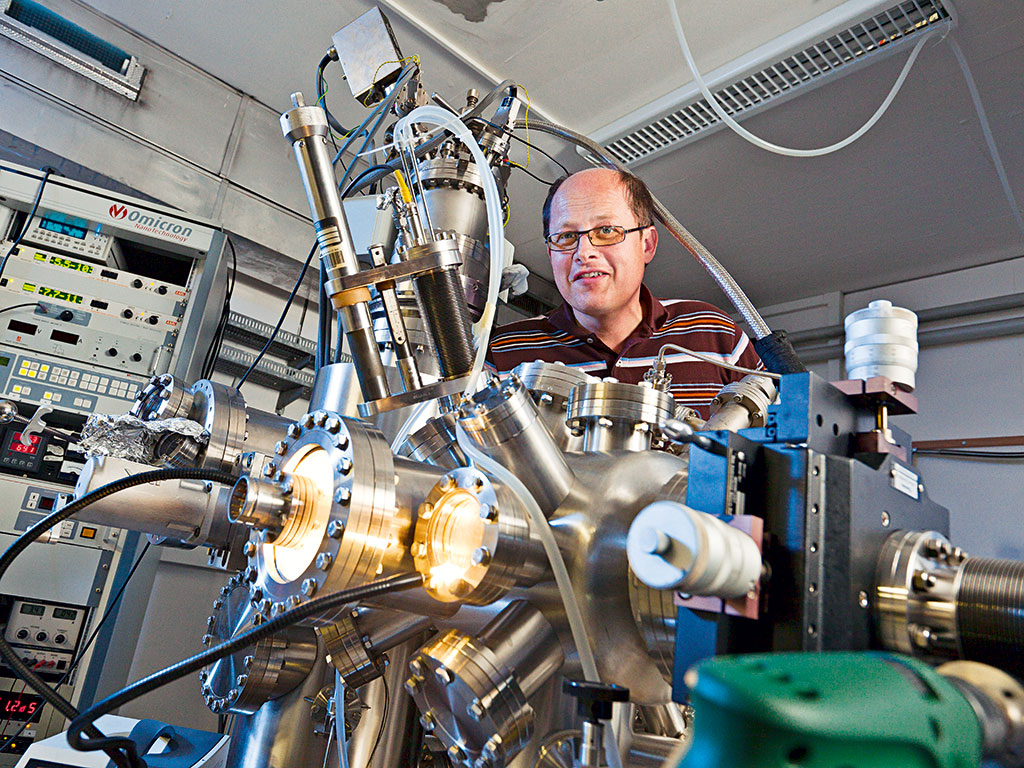
Northwestern Switzerland has established a new concept that will lead to innovation and growth in nanotechnologies. Led by the canton of Aargau and the visionary concept of leaders at the University of Basel, an effective value-added chain called ‘NanoChain’ has been established. This breakthrough guarantees findings made in basic sciences are transferred into industry, and that researchers are aware of needs in companies.

Recent years have shown that academia and industry benefit from these newly established networks and that they are an important step in making maximal use of the potentials of nanotechnology. The current worldwide market for nanoproducts exceeds $15bn, with an annual growth rate of almost 15 percent. The ‘SwissNanoLeadership’ will make its own substantial and sustainable contribution to this growth.

The chain
The region of Basel in Northwestern Switzerland is one of the leading regions worldwide in nanotechnology. This is where NanoChain has been established: it starts in the laboratories, leads to companies and finally to new products on the market. The innovative hub of this NanoChain is the Swiss Nanoscience Institute (SNI) at the University of Basel, with its affiliated institutes at the University of Applied Sciences and other research organisations such as the Paul Scherrer Institute.

Here, basic nanoscience lays the foundation stone for innovation. Two other public organisations (i-net innovation networks and the Hightech Zentrum Aargau) are responsible for the transfer of these scientific innovations into industries and for the information exchange between research and industry. Their efforts often lead to common research projects between the SNI and companies.

…basic nanoscience lays the foundation stone for innovation

Each year, approximately eight research projects on various aspects of nanotechnologies are carried out in close collaboration with industry and the SNI. The topics range from new treatments of caries, tailored bone-specific transplants, devices for the screening of active pharmaceutical devices and innovative textiles, to novel semiconductors and novel pigments for solar cells. As experts at the SNI come from different disciplines and have outstanding knowledge and experience of nanoscale sciences, a huge variety of possible questions can be dealt with.

The University of Basel's Nanochain concept means findings made in basic sciences are transferred into the nanotechnology industry
The University of Basel’s Nanochain concept means findings made in basic sciences are transferred into the nanotechnology industry

Regional excellence
i-net innovation networks – and, more specifically, its nano network, i-net Nano – take care of companies that are already experienced in nanotechnology. The circle of industries that might benefit from the potential of nanoscience is constantly increased by the activities of the Hightech Zentrum Aargau. Experts individually evaluate the opportunities of nanotechnology and the challenges faced in different companies, and link them with the SNI and other partners.

Northwestern Switzerland is but one region of a highly innovative country, where excellent science meets outstanding industrial competence and power. Numerous global companies (such as ABB, Actelion, Alsthom, BASF, Clariant, DSM, Lonza, Novartis, Roche and Syngenta) are located here and have made the region known for life sciences, chemistry and manufacturing. The NanoChain, with its components SNI, i-net innovation networks and the Hightech Zentrum Aargau, will help to realise the full potential of Northwestern Switzerland in nanotechnology.

Renova Energia’s renewable energy vision for Brazil

“A place with a huge potential for growth” – that’s how renewable energy company Renova Energia sees the Brazilian Northeast Region. The area is home to more than 27 percent of the country’s inhabitants: most of them customers who will improve their social positions across their lifetimes.

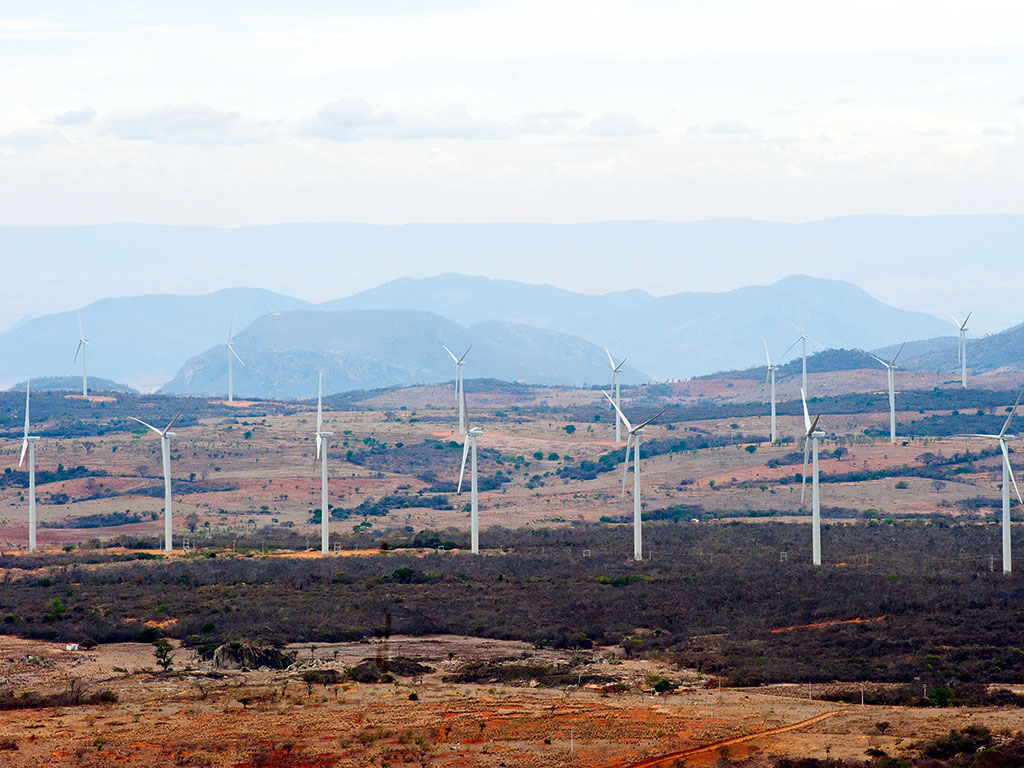
The wind and sun are abundant resources in the region, and thus have considerable potential for growth as part of the country’s energy matrix. Renova – a 100 percent Brazilian-based company and a leader in the eolic energy sector – has discovered in Bahia’s semi-arid climate what could be called a ‘deposit’ of winds. These, together with solar energy, are going to be one of the key drivers for the company’s expansion.

294.4mw

Capacity of Alto Sertão I

386.1mw

Capacity of Alto Sertão II

Since mid-2007, when the company first arrived in the Northeast Region, Renova has been committed to developing the communities around its projects in the cities of Caetité, Guanambi and Igaporã. The company’s managerial model is based on the continuous growth of the group’s businesses, in adding value to all stakeholders involved, and in a transverse approach to sustainability.

Renova understood that dialogue with people from these communities would be a key issue in building a good relationship. The company created an organisational structure with specific teams dedicated to assessing the requests and needs of local people.

Those communities are primarily made up of families who make a living from subsistence and small-scale agricultural activities, retired people, and groups whose income is dependent on social programmes from the national government. For many, their land is their sole property. At the beginning of its operations, Renova decided land leasehold was the most appropriate way to contribute to regional development. Thus, instead of just acquiring land on which to install its windmills, the company pays a type of rent to small landholders.

Ney Maron, Sustainability and Communications Director at Renova Energia, says: “Over 300 families benefit from the leasing policy. We work, literally, in people’s backyards.” He explains that, once lands are actually leased, families can keep using those areas, earning new income from the rent while continuing to receive the gains they get from plantation or husbandry. By 2008, when the company first arrived in the region, annual income per capita had reached about BRL3,000. Two years later, some landholders with areas leased by the company had annual incomes of more than BRL8,000.

We work, literally, in people’s backyards

Estimates indicate that, since operations began in Bahia’s semi-arid region, 135,000 inhabitants have enjoyed indirect benefits from the windmills. Another benefit brought to the region by Renova was the legalisation of much of the leased land. Many of the landowners had been living in the region for years but had never before held deeds or ownership documents for their property.

Sustainability as a pillar
Renova focuses on sustainability as one of its pillars, not only because of the nature of its business, but also so its governance model matches international standards and best practices. Since its foundation, Renova has had a department focused on the environment: it is currently made up of over 40 fully dedicated professionals. Maron says: “Unlike other companies, where sustainability is thought of as an outside-in process, in Renova’s case, it has been taken into account since the beginning as a key strategy.

“It works this way in all areas of the company, from the enhancement of engineering processes, looking towards impact reduction, to the conceiving of social programmes and tightening the relationship with the community.” The company’s listing on the São Paulo Stock Exchange helped settle its governance model.

Renova detailed all managerial routines in its Sustainability Report, the first edition of the which was released in 2012 with the outcomes and achievements of 2011. The idea is to show how the issue crosses all areas and processes, including the company’s relations with employees, shareholders, investors, communities and suppliers.

Sustainability works as an instrument to bring Renova’s production cycle closer to its operations: not only reducing costs, but also contributing to local development. A good example is its partnership with Alstom. This involves the delivery, in the next four years, of 440 wind-power generators. The generators will be produced in Alstom’s unit in Bahia state – the same place Renova’s wind farms are located. The agreement will lead to the production of more efficient equipment, tailor-made for the winds in the region, and will stimulate the local economy. Another company, Tecsis, has announced it will build a new unit to produce wind turbine blades in the region.

Based on these factors, Renova developed its projects in the region. The first, Alto Sertão I complex, has a nominal capacity of 294.4MW and was commissioned in July 2012. Its ‘sequel’, Alto Sertão II, could be commissioned in the next few months, with a further 386.1MW capacity.

The successful commissioning of both complexes was the result of competent planning, license gathering, and coordination of logistics and installation – all while maintaining sustainable standards in every stage of implementation.

Renova-Engeneria
Since mid-2007, Renova has been committed to developing the communities around its projects in the cities of Caetité, Guanambi and Igaporã

Innovative projects

Renova is also prepared to develop solar power projects in the semi-arid region, with large-scale photovoltaic units. The company’s expansion plans are based on the corporative strategy of developing, building and operating energy projects with financial discipline, keeping an eye on customers’ needs and respecting employees, as well as maintaining harmonious relations with the environment and communities. This is a mandatory objective for the company, to be accomplished by promoting transparency in negotiations and dialogue, and stimulating local development.

The company has invested in solar energy R&D, with an entire team dedicated to researching ways of generating electricity from solar panels. Research has already found that solar irradiation in Bahia’s semi-arid region offers some of the most favourable conditions in the country – so the company is competitive for solar, as well as wind, energy. In January 2013, Renova commissioned its first solar power plant, at Yamana Gold’s facilities in the Pilar de Goiás municipality. Many more on-going projects will be commissioned in the next few months.

The semi-arid winds have not only attracted wind-power generators to the cities of Caetité, Guanambi and Igaporã: they have also stimulated land development projects, such as the Catavento (“pinwheel” in English) Programme – an initiative promoted by Renova.
The Catavento Programme is divided into four sections: socioeconomics, environment, culture and heritage, and organisational development. The success of the projects was due to the strong involvement of the local population. In its first year, it drew 10,000 locals. Luciana Gutmann, Renova’s Sustainability Manager, explains: “People in the communities propose the projects, so they are legitimised by coming from the longings and vocations of each community.”

People in the communities propose the projects, so they are legitimised by coming from the longings and vocations of each community

The programme is not an obligation: it is Renova’s own initiative. The company decided to develop the programme because it believed in the benefits of getting involved with local communities. The programme was forecast to have received BRL9.4m (approximately £2.5m) in investments by the beginning of 2014. Iraci Rodrigues de Oliveira is a member of the Caetité Women’s Movement, which produces jams and marmalades from local fruits. She says the initiative has helped generate income and jobs in her city: “It’s another [source] of income that we now have.”

The Lagoa de Dentro Association in Caetité is another initiative receiving support from the Catavento Programme. It produces biscuits, manioc starch cookies (manioc is a tuberous root and a staple in the Northeast region of Brazil), cakes, buns and other manioc-based products. The women in the municipality of Lagoa de Dentro were recently able to sign a contract with the local city hall to provide around 400 kilos of biscuits for public school lunches. The initiative should guarantee a monthly income of BRL6,400 (£1,670) to its participants, and the profits will be distributed among people and re-invested in the project.

All the Catavento Programme’s initiatives aim to mobilise local sectors, with Renova’s support. This network of cooperation was what made the establishment of the Bahia’s Alto Sertão Museum feasible. Lielva Azevedo, historian and heir to the building that will hold the museum, says: “Since I was a little girl, I used to listen to my granddad. He was a simple man, with no formal education, and he used to say we needed to preserve the house because it was part of the historical heritage.” The family hopes the building will be preserved and eventually fulfil an important sociocultural purpose.

The idea for the museum came from the need to preserve the artefacts found in and around the region’s parks. The Catavento Programme mobilised people, getting them involved, and contributed significantly to the protection of the existing collection (made up of around 30,000 pieces).

The Catavento Programme is also involved in a number of environmental projects, including one to preserve hydric resources. The initiative helps around 300 families from the areas influenced by the Renova wind farms – a semi-arid region affected by water shortages. Dams are repaired and cleaned, structures are isolated against earthquakes, springs are preserved and locals educated about the environment. At the Beira Rio Dam, water storage capacity was increased by 30 percent, improving the circumstances of around 150 families.

Gutmann says: “The big question is not just recovering, but investing in environmental education so that the public has an understanding of the sustainable use of a scarce resource in the semi-arid.” The company looks to promote what it describes as “social dialogue” in order to develop a relationship with the locals. This will enable better identification of suitable socio-environmental mechanisms for the region.

The Catavento Program also supported the creation of community centres for professional enablement, with courses focused on carpentry, masonry and rebar setting. These help prepare local residents not only for the professional jobs market, but also for jobs within Renova.

Preserving the environmentRenova Energia’s management policy goes beyond the requirements of environmental legislation: a concern for the environment informs all processes within the company. All environmental licenses are obtained before the start of any construction project, and, in 2012, BRL12.7m (approximately £3.3m) was invested in environmental management.

Bruna Napoli, the company’s environmental manager, says: “We have made our workers aware of the importance of preservation through internal training and security dialogues.” Subjects covered include environmental risks, biodiversity, residue generation and the use of water. When hiring a service provider, Renova demands details of its environmental management and that the provider complies with Renova’s own internal procedures.

Deep impact operations – such as vegetation suppression, and managing the damage caused by the transportation of equipment and materials – are closely monitored to ensure the negative impact is as small as possible. The use of smaller access roads, for example, means the removal of fewer native plants and, consequently, a much less aggressive intervention in the environment. Renova also has best-practice guidelines for the handling of by-products generated by its activities.

There are certain procedures to be carried out in the case of accidents. Everything is done to ensure materials are not wasted and by-products eliminated. Water usage is also monitored constantly: both spring water and the water collected in legislation-approved wells. Any defalcation is detected and immediately corrected. In areas where endangered or vulnerable species are detected, plans have been made for preservation. Renova has never received any type of notification due to non-compliance with environmental requirements.

Phelan Energy Group: powering South Africa’s future

In 2012, South Africa recorded the world’s highest growth in renewable energy investment, with $5.7bn invested according to the UN Environment Programme. The surge in investment, led largely by solar power projects, comes as South Africa moves to reduce its dependence on coal, which currently accounts for around 86 percent of the country’s energy. To achieve this, the South African Department of Energy has set the ambitious target of generating 18GW of clean energy by 2030.

Investments in large-scale solar power projects will transform the continent, where rising populations and six of the world’s 10 fastest-growing economies have resulted in ever growing energy deficits. Inspired by the South African Department of Energy, South Africa is on track to become one of the fastest-growing renewable energy markets in the world.

The potential for renewable energy generation is high, and the successful execution of the Renewable Energy Independent Power Producer Procurement Programme (REIPPP) has powered the growth of the country’s renewable energy industry. The REIPPP aims to generate 3,725MW of the country’s electricity from renewable sources. Renewable energy accounted for less than one percent of the energy mix in South Africa in 2012: it is expected to reach 12 percent in 2020.

Overcoming renewable energy obstacles
South Africa is also aware of the challenges it faces with future increased carbon emissions and water shortages, being the 12th highest carbon-emitting nation. The costs of renewable energy are often emphasised without fair comparison to those of traditional energy sources. For example, South African coal-fired stations consume 1.2 litres of water for every unit of electricity produced. A 1,000MW coal-fired power station uses just short of nine million cubic metres of water per annum. It is simple to see and measure how the use of coal-fired stations will affect the long-term energy supply of South Africa. Solar solutions prove beneficial in comparison to fossil fuel and nuclear energy.

Investments in large-scale solar power projects will transform the continent

The South African Government is now more than ever committed to embracing and developing the benefits that clean energy offers. This was clearly visible when, in 2009, it announced plans to award the first licenses to independent power producers by early 2011. This commitment has been further demonstrated by licenses being awarded in 2012 and again through its third IPP Bid Round in 2013.

Being the only company in South Africa to win licenses in both Bid Round 1 and Bid Round 2, we understand the financial restraints owing to the steep initial capital, as well as the legal and technical project costs that can hamper the expansion of the renewable energy industry in South Africa. You will find domestic companies partnering with, and learning from, international firms that have the relevant experience and skills.

Getting the correct answers is vital to decision-making. We use the latest computerised tools to drive precision in our irradiation assessment. Field engineers, plant layout and financial modelling are critical to our business. Of course you need the correct team of professionals, engineers and accountants to optimise these tools.

PV solar meets low-cost airlines
The Phelan Energy strategy is based around the low-cost airline model. A good example of this is Irish low-cost airline Ryanair. In 1991, Chief Executive Officer Michael O’Leary was given the task of making the airline profitable and believed the key to profitability was low fares, quick turnaround times and a single model of aircraft. Ryanair’s revenue in 2013 was €4.8bn, the airline carried 81.5 million passengers through the consistent pursuit of its low-cost business model, while at the same time boasting profits of €570m.

Our vision is to drive international volume and footprint by being the world’s lowest-cost producer without compromise of quality

Phelan Energy Group is active with signed joined ventures in Jordan and Saudi Arabia. Our market development programme is called 10cc. It defines the solar irradiation sweet spot that stretches around the globe in a band that is 10 degrees North and South of the Tropics of Cancer and Capricorn.

Our vision is to drive international volume and footprint by being the world’s lowest-cost producer without compromise of quality through cost management, innovation and efficiency, and thus drive our footprint and installed capacity. Phelan Energy Group’s target is 1.5GW installed by 2018.

Abundant solar and wind
Water and land are non-renewable energy sources. Without a renewable solution, we will continue to import oil, risk supertanker spills and be pressured to make political decisions based on our bad energy habits. Oil and coal may be a commodity but the cost continues to rise and solar energy will reduce in price over the coming decade. It will be found by governments to be at a far lower cost than traditional fossil fuel and nuclear energy.

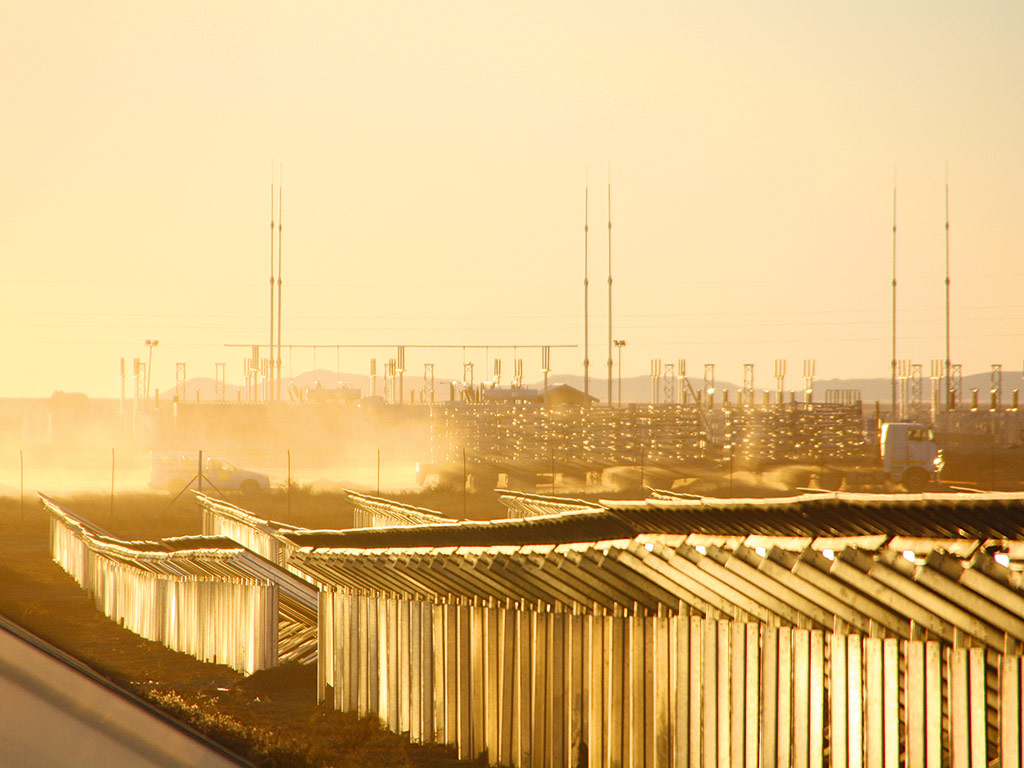
Our company vision is to be a world leader in the market for the provision of low-cost solar energy. We have sourced 25 farms within South Africa alone and maintain significant ownership of our current and future projects. We have completed the tendering process, operation and maintenance of all projects, and have started the installation process of the first phase of the first De Aar development in the Northern Cape. The completed farm is set to produce 200MW of photovoltaic power over two initial phases with the capacity at the same location to increase to 400MW. The two phases will be completed by 2016 and will be well on its way to being the largest solar farm not only in Africa but in the Southern Hemisphere.

The De Aar solar farm

The De Aar Solarfarm

200MW

Amount of photovoltaic power phase one of the De Aar solar farm is set to produce

35,000

The number of South African homes energy will be generated for after phase one

3,725MW

South Africa’s renewable energy target for 2030, set by the Independent Resources Procurement Programme

This first phase alone will generate enough electricity to power approximately 35,000 South African homes every year and will be completely erected by February 2014, with a view to delivering the first 75MW of solar generated electricity into Eskom’s power grid. Our aim is to put South Africa on its way to achieving the production of 3,725MW of renewable energy envisaged for 2030 by the Independent Resources Procurement Programme.

Power to the people
Many South Africans are dependent on the income of the employed sector and social grants. The development of renewable energy sources creates new economic opportunities through job creation, improved education and various other social development programmes in the rural towns of South Africa.

The National Energy Regulator of South Africa has established certain criteria that, as a responsible and dedicated company, we need to fulfil. We have made a commitment to create sustainable jobs, educate and equip the local community with skills, assist the community in creating economic opportunities through enterprise development, ensure upliftment, and address social challenges within the communities in which our farms are situated.

The South African Department of Energy’s targets for local content stipulate at least 20 percent local employment. Initially, we planned to employ 80 percent of our required workforce locally but this target has reached 90 percent. Unskilled labour has undergone training while previously unemployed artisans are being further developed. Of the 2,000 or more locals currently employed by Solar Capital, 90 percent are from previously disadvantaged backgrounds. During the maintenance and operational phase of the projects, Solar Capital will employ over 200 permanent employees.

Further commitments have been made by Solar Capital to spend 1.75 percent, ZAR200m (£12.1m), of its total income on social-economic development and one percent, ZAR114m (£6.9m) on enterprise development over the 20-year lifespan of the project. A community trust has been formed to assist the community of De Aar, which will own eight percent of the project.

In early 2013, outside any commitment to the South African Department of Energy, Solar Capital donated ZAR1m (approximately £61,700) to the community project FARR (Foundation for Alcohol Related Research). FARR is the leading NGO source of research and information on Foetal Alcohol Spectrum Disorders (FASD) and the most severe form of this disorder (Foetal Alcohol Syndrome) in South Africa.

Our future
We are currently developing our own propriety technologies through our dedicated research and development unit. This department is a core strategic element to our growth and conducts a constant review of renewable technologies such as storage, as well as optimisation of existing technologies and practices.

Solar Capital Chief Executive Officer Albert Lennon added: “At present, we are focused on developing a variety of components for PV Plants, thus providing solutions to reduce the cost of energy. The development of our next generation 7 X Light Concentration Mahiba project is currently underway and is due to be launched in 2014 by the Phelan Energy Group Research and Development Testing Unit.”

Increasing the proportion of energy South Africa generates from solar PV cells could help lower the price of electricity. Renewable power could potentially cost half of Eskom’s coal powered electricity, which is expected to reach ZAR1.69/kWh (£0.1/kWh). That could make PV the cheapest energy generating technology in South Africa by 2020, costing under ZAR0.90/kWh (£0.06/kWh).

Lennon adds: “One of our key strengths is to combine keen commercial competitiveness, ‘technology agnostic approach’ and broad network in the global renewable energy sector, together with several years worth of real-world renewable energy market experience that allows us to adapt to any market location, maximise its potential and provide solar PV energy at unprecedentedly low costs. We continuously strive for technical and commercial excellence.”

Africa
While South Africa is clearly setting the pace, projects are being announced across the continent as more countries look to unlock their own massive solar potential. International suppliers have expressed major interest in South Africa, not only to establish a local footprint, but also to secure access to other emerging markets in sub-Saharan Africa.

In April last year, Mauritania launched what has been described as Africa’s biggest solar plant so far: a 15MW facility designed to provide 10 percent of the country’s energy capacity. In May, Morocco began the first phase of a 160MW solar power plant as part of the country’s efforts to produce 2,000MW of solar energy by 2020.

Solar Capital’s 94.5MW first phase project is the largest solar farm in South Africa. By late 2016 our second farm will be fully connected to the grid. These two farms, totalling 200MW, will make us the largest solar farm on the continent of Africa.

For further information, visit solarcapital.co.za or email paschal@solarcapital.co.za

ICF: communication matters

Research shows more organisational leaders than ever before are interested in coaching as a way to enhance their leadership skills and, in turn, maintain the health of their organisations. According to Stanford Graduate School of Business’s 2013 Executive Coaching Survey, top areas that CEOs use coaching to improve include sharing leadership and delegation, conflict management, and team-building.

These functional areas all rest on the same foundation: excellent communication skills. Here, International Coach Federation (ICF) Professional Certified Coach and 2013 ICF Global Board of Directors member Kara Exner discusses how partnering with a professional coach can help you take your communication skills to the next level.

Why is it so important for leaders to have top-notch communication skills?
Leaders are accountable for achieving results through others, and any interaction with others – from direct report and peers, to stakeholders and senior executives – requires an ability to clearly communicate one’s own ideas while listening to others’ points of view.

In my experience of working with leaders, many are so eager to approach the task at hand that they lose sight of how they are communicating. Creating agreements up front for how group members are expected to interact is an investment of time that pays off in the end. It is much easier and more efficient to refer back to the agreements, ground rules, roles and responsibilities, and expectations that were set out at the start than to perform damage control when a miscommunication occurs.

…many [leaders] are so eager to approach the task at hand that they lose sight of how they are communicating

How does one identify and leverage one’s communication style?
Communication is enhanced when you understand your own communication style and the impact it has on how you’re perceived. Working with a professional coach can help increase your self-awareness and put you on the path towards more effective communication.

The ICF defines coaching as partnering with clients in a thought-provoking and creative process that inspires them to maximise their personal and professional potential. A professional coach will: discover, clarify and align with what you as the client want to achieve; encourage self-discovery; elicit solutions and strategies; and hold you accountable for new learning and development.

A growing body of research shows that, for executives who strive to communicate effectively and better manage the people within their organisations, coaching works. According to the 2009 ICF Global Coaching Client Study, 72 percent of coaching clients reported improved communication skills, 73 percent reported overall improvements in interpersonal relationships and 61 percent reported improved business-management skills.

How do those who are interested in coaching find a coach to partner with?
The ICF recommends that you interview three coaches before you decide on one. In addition to requesting at least two references each, the ICF recommends asking them about their coaching experience, training, specialities and philosophy, as well as previous businesses they have worked with and what levels, the types of assessments they are certified to deliver, and whether or not they are accredited members of ICF.

The ICF’s membership eligibility requirements make it easy for coaching consumers to make an informed decision. All ICF Members must pledge to uphold the ICF Code of Ethics and commit to coach-specific training. As a result, consumers can have confidence that ICF Member coaches are well-prepared to offer their services.

Possession of an ICF Credential is another clear sign of a coach’s commitment to professionalism. ICF Credential-holders have met stringent requirements for education and experience and demonstrated a strong commitment to ethical behaviour, ongoing professional development and excellence in coaching.

Tips for improving cyber-security strategy

‘Hacktivists’, ‘advanced persistent threat’ and ‘cyber-security’ are all parts of today’s information security lexicon. The hope is such terms will create a reaction in people: one that will help counter the threats we are increasingly aware of as a result of recent cyber attacks. The danger is these words will be written off as hype, which will lessen the reaction.

These threats can only be effectively countered by going back to first principles and considering all phases in a system’s life, and all levels of abstraction in the meaning of the word ‘system’. This necessitates a change in the way we develop systems: one that puts security at the heart of every stage of a project.

Many of the systems operating today have been developed to meet functional requirements and have had security retrofitted after their release, or by virtue of context. By considering system security from first principles and managing security in each phase of system life, the result will far exceed any effect that can be achieved by retrofitting.

The system view
Systems, in the most abstract sense, are entities or components that do things to inputs to create outputs. The entities have structure, behaviour and – most importantly from a security perspective – interconnectivity. The transfer function (the behaviour) can be linear or non-linear, based on memory and parameters. Behaviour can be random or chaotic.

The system and the transfer function characterising it can be stable or unstable.
An invoicing system for a business is a system that can be vulnerable. An engine management system controlling a car or aeroplane is a system that can be vulnerable. A control system for an industrial production line is a system that can be vulnerable. An IT system forming the business system for a company is a system that can be vulnerable.

While the last example is in the classical domain of the cyber-evangelist, all these examples have inputs and outputs – they therefore communicate. By meddling with the inputs in an unauthorised way, an unexpected effect may be created at the output. Equally, meddling with the transfer function or component itself may create an unexpected output.

By instilling security into the complete development process, systems implementers can attain massive security gains for little or no additional cost

Welcome to the entirety of the problem space of the cyber-security practitioner. To put it another way, interfering with the ‘fly by wire’ electronics on a passenger airliner is a cyber issue just as exfiltration of company secrets by a state-sponsored attacker is.

The development view
Systems implementers are so focused on meeting the functional requirements specifications that non-functional issues often do not receive the same degree of scrutiny. By instilling security into the complete development process, systems implementers can attain massive security gains for little or no additional cost.

Classic systems engineering doctrine contributes a great deal to the rigour that can be applied in the development phase of a system. This in turn will contribute to increased assurance in the end system or product.

Taking cyber-security strategy to the next level
Following on from that, assume the entity a developer’s subsystem is communicating with is Dr Evil masquerading as the expected end system. Therefore, design strong authentication into the system. The assurance around this authentication should be appropriate to the damage that can be done by someone masquerading.

When calling subordinates functions (particularly in software) make sure error-handling fabric is plumbed in appropriately such that, when errors occur, the incident responders have a fighting chance of deducing what went wrong and addressing the issues.

If the firmware of the execution fabrics has features that aid security, use them. This means features such as watchdog timers, power conditioning circuits and high assurance reset hold circuits. These all help mitigate execution code locking up. This may seem obvious, but there are many products on the market that have in-built watchdog timers whose software locks regularly.

Think about the overall logic (i.e. execution) of what the system is trying to do. Weigh up the advantages and disadvantages of using polled vs interrupt driven execution for certain aspects of system architecture. Make sure development occurs within the framework of an appropriate development methodology. The prime focus is on getting a system to market in a maintainable manner that meets client requirements (i.e. attains client satisfaction, which is the focus of quality management). Many of the controls in this context are appropriate to information security and can be read across.

Make use of security standards as appropriate (ISO 2700x et al). These are mature, peer-reviewed documents that achieve good coverage across the piece. However, beware consultants bearing checklists; the value of these standards is you actually think about your business in the context of security and therefore the countermeasures that result. This means, when in the final stages of risk mitigation, security barriers can be put in place to mitigate specific residual risks.

Minimise risk with built-in mitigation 
If a system is released onto the market with little or no consideration to the points above, no firewall or security barrier is going to make risk manageable. Conversely, a well-engineered system may not need additional controls as sufficient mitigation may have occurred in the development phase to make operational risk manageable.

The issues raised are very similar to those that have long been discussed in the context of safety systems. It is important to increase the penetration of this understanding into the security engineering space. This will lead to systems that are not only secure, but are also robust and resilient.

Apple buys Topsy Labs in bid to get closer to Twitter

Apple has made another tentative step towards social media by acquiring leading Twitter data analytics startup Topsy Labs for a reported $200m. Topsy Labs is one of a few firms that has access to the whole of Twitter’s database of tweets from users, allowing it to discover trends in all manner of conversations.

The high value placed on Twitter’s ever-expanding global conversation is something that leading media companies are eager to tap into, in order to gain a better insight into the viewing and listening habits of users. Data analytics is taking an increasingly important role in how big businesses understand their customers, allowing them to tailor advertisements specifically to individual users.

Analyst Manaj Menon, managing director of consultancy firm Frost & Sullivan, told the BBC that such moves were becoming more common among major brands. “Brands across the world are looking at ways to use the time spent by customers on social media to enhance their brands, and Apple is no different.

“Apple may also be able to provide better user experience to customers by integration of analytical capability to its products and services.”

Apple’s acquisition of the startup is likely to be part of its strategy towards tailoring its advertising through its recently launched iAds platform, as well as a making more intelligent recommendations in its iTunes stores. It is also thought that closer integration with the voice assistant Siri could be implemented.

Apple’s forays into social media have tended not to be too successful, with its 2010 launch of music-based platform Ping gaining little traction before being withdrawn just two years later.

The company has lately gone about integrating other leading social networks into its products, with both Facebook and Twitter gaining extensive access to both Apple’s iOS and OS X operating systems.

Lessons from the Exxon Valdez disaster

A rope ladder hung down the side of one of the biggest vessels on earth, which had run aground near midnight on a reef in pristine Prince William Sound, a haven for birds, whales and otters, brimming with fish that supplied a multimillion dollar industry.

It is also next to the end of the Trans-Alaska Pipeline, and the Exxon Valdez had picked up millions of gallons of crude piped from the top of the frosty state to bring to gas-thirsty consumers in Long Beach, California.

Spring was breaking, migrations were starting – and Kelso was gagging at the rush of chemicals from the liberated oil.

“At the beginning oil was literally boiling out of the tanker,” said Kelso, the head of Alaska’s Department of Environmental Conservation at the time. The crude began changing as it hit the water, releasing benzene and other pungent chemicals into the air, the start of a months-long process of transforming from a light liquid to a tarry gunk that would cling to more than a thousand miles of beaches in southern Alaska.

A close examination of studies of the Exxon Valdez disaster and interviews with many people who took part in the cleanup offers a possible peek into what lies ahead for the Gulf Coast in the coming weeks, months, years – and perhaps decades. Indeed, by one estimate, about 21,000 gallons of oil still linger on some of Alaska’s beaches, often in the form of dark brown globs just beneath the rocks.

What’s more, there are still some experts who argue that the aggressive cleanup following the Exxon Valdez spill proved more harmful than the oil itself. That continuing debate points to another potential cautionary tale about how conflicts among various groups looking to make things right can end up hampering cleanup efforts.

Gray literature
The Exxon Valdez was an unrivaled environmental disaster which forced the US to set a new standard for response to oil spills. Nothing in the US had come close – until now. As oil spreads across the Gulf of Mexico, a continent away, from the remnants of a British Petroleum well, the debates over how to contain the crude and what to do when it hits shore are similar to the arguments in Alaska two decades ago.

Surprisingly, not much has changed in the technology of cleaning up oil spills, and research on what to do is dominated by “gray literature” funded by either oil companies or environmental organisations that makes some experts wary. It’s clear, though, that the warm Gulf waters lapping marshes in Louisiana and the white sand beaches stretching from Mississippi to northern Florida are a world of difference from Alaska’s chilly, craggy, rocky southern coast.

Two mercurial forces – weather and people – are key for any cleanup. In many ways both acted against Exxon, beset by storms of nature and among warring scientists and politicians, and have played to BP’s advantage. Prevailing winds have largely kept the giant Gulf oil slick offshore since the Deepwater Horizon drilling rig accident triggered the breach, and the coast guard is firmly in charge.

On the day two decades ago in Alaska, the question of who was in charge was open. The day was calm and the sea was smooth – perfect conditions for containing a slick of crude.

But the view from the bridge, abandoned by the captain after his crew drove the Valdez out of shipping lanes and onto a well known reef, was eerily clear. Exxon had a plan to respond to spills, but the ‘designated responder’ it had hired wasn’t responding. In fact, the boat that was supposed to be in the water, ready to launch at the first word of an accident, had been in dry dock covered with snow.

The Valdez ran into the reef at four minutes after midnight. The captain wasn’t on the bridge and had been drinking alcohol earlier in the evening.

Eleven of the ship’s cargo holds were punctured, and the first of 11 million gallons started filling Prince William Sound. The Valdez, roughly three American football fields long, eventually lost 20 percent of its cargo, although the exact figure was never known, since seawater flowing into the ship made it difficult to measure how much was left.

The uncapped well in the Gulf has been spewing out around 5,000 barrels (210,000 gallons/795,000 litres) a day.

Ocean mousse
Cleaning up oil is tough at the beginning and gets harder every day. The first job is to contain a spill, a nearly impossible task in the real world.

On the water, booms which absorb and contain spills on relatively calm seas can be used to herd it into big pools that can be sucked up or burned. Burning needs perfect conditions, and one engineer compared a siphon to a toothpick in the Gulf. Chemical dispersants which separate crude into fine droplets can be sprayed from ships and planes. Rusty-colored oil ‘mousse’ can be seen in the Gulf of Mexico where dispersants mixed into the water by waves are breaking down the oil.

Above all, the oil needs to be kept off shore, which over time is the most difficult thing to do. When oil hits land it’s often for a short visit – dropping off a sheen and then moving with the tides up or down the shoreline. Eventually though, the oil ages, becoming a tar – like a blob that gloms onto a surface and won’t let go.

That’s fine on a hard-packed sandy beach, which is the best place for an oil spill, since a careful lift of a thin layer of sand can get rid of most of the problem. But in marshes, new and old oil can spread thin and deep with a ferocity that makes any cleanup counterproductive – boots kill more than the oil. Alaska’s rocky coast is somewhere in between the two extremes, and just where the risks lay, and what the risks involved, is still debated today.

The threats to wildlife are legion. Fish eggs in water and turtle eggs on land can be fouled by oil. Growing fish mutate, otters and whales swimming through oil can get sick or suffocate from the fumes or oil coating their breathing passages. Petroleum fouls feathers, and small sea creatures can ingest chemicals and die.

How that affects the environment is still being studied. Do tiny sea creatures eat the tiny droplets of oil, creating a food chain timebomb in the way that mercury levels concentrate in bigger fish? Researchers say they don’t know or disagree. The Southern Shrimp Alliance in the Gulf Coast fears just such long term effects.

The experts converging on Alaska had seen hundreds of spills. Two decades later, they agree on one thing with regard to Exxon Valdez: the first three days were lost.

Al Maki, Exxon’s chief scientist at the time, flew in early and knew what to do: break up the oil with chemical dispersants. The chemicals, which are being used widely in the current Gulf spill crisis, break oil into fine droplets so that it can be absorbed into the water and degrade naturally. Warm water and wave action speed the mixing and energy.

“If we had a chance to use dispersants earlier in the game, it would have reduced the landing impact substantially,” said Maki. Exxon, which was in charge of the cleanup, wasn’t allowed to use dispersants for three critical, calm days, after the early Friday crash, he said. “The storm that came through on Sunday night moved the oil way out beyond our reaches and the use of dispersants was canceled,” he said.

Kelso remembers the early days differently, though his conclusion is the same. “The window of opportunity to move as much oil out of the water as possible was squandered,” he said. Exxon, which had relied on an unreliable contractor to prepare for the spill, was scrambling in the first few days. Dispersants weren’t at hand, and a trial of them was a flop in the cold, still water, he said.

Conflicts over dispersants were one of the first between the main players in the cleanup – state authorities like Kelso, Exxon leaders like Maki, and the federal government, including John Robinson, the chief scientist at the spill for the National Oceanic and Atmospheric Administration.

Robinson remembers two years of animosity and contention, a management problem that contributed to the oil spill issue – and which was dealt with directly by legislation the following year that gave the federal government clear authority to step in and take charge of a spill response, as it has done on the Gulf Coast.

The state was so unhappy, “it was difficult for them to agree to almost anything in terms of the approach to cleanup,” Robinson, now retired, said by phone.

Panic at Exxon
The storm which swept through three days after the crash totally changed the game, making it a desperate attempt to keep oil away from sensitive areas and muster resources. A state report compared the work to “guerrilla warfare.”

An obvious solution to too much oil is to send it up in flames. “People think you just light a match,” said Stan Jones, spokesman for the Prince William Sound Regional Citizens Advisory Council, a commission that monitors tanker and marine safety operations in Prince William Sound and was established by Congress in response to the Exxon Valdez. “Burning’s just not that easy,” he said. Some 15,000 gallons burned in about 75 minutes in one attempt the day after the spill. But others proved futile.

Little seemed to be happening the day after the spill, and Exxon panicked at the lack of clear action.

“Kick ass and get stuff out there. I don’t care what it is. I don’t care if it picks up two gallons a week. Get that shit out there and stand it around where people can see it,” executive Don Cornett said, according to a transcript of an audio tape of Cornett gathered for a 1994 trial on the spill.

Frustrated fishermen took to the seas, marshaling what they called the “mosquito fleet” of skiffs and small boats loaded with buckets and hand-skimmers that launched off a state ferry press-ganged into service.

There was no incident command system, the standard hierarchy that is used for responses to natural disasters and is now automatically activated to respond to oil spills. “Early in the oil spill, no one was in charge and everyone was in charge,” said RJ Kopchak, a longtime Cordova commercial fisherman and development director for the Prince William Sound Science Centre.

“It was sort of a spontaneous, grass-roots response where people saw that the oil-company response wasn’t working,” said Rick Steiner, a marine scientist and former Cordova fishermen who was part of the effort. “Some boats got booms. Some just got buckets.” A salmon fishery was saved and a good 100,000 gallons of oil picked up in the home-made effort.

Exxon coordinated with the group, and Kelso says it shamed the oil giant into action.

The oil kept spreading. In four days it was 37 miles from the spill site. In two weeks it was 150 miles (240 km). By day 56, a sheen of crude stretched 470 miles.

But two months in, guerrilla warfare had turned into a corporate campaign. Exxon had mobilised in full. Some 11,000 workers were washing rocks, first with rags and then with power hoses.

The main plan was to float the oil off the beaches. Since oil floats, flooded beaches would shed the oil, which could be caught at the waterline. The main problem was that by this time the oil was tar, stuck to rock, and wasn’t going to move that easily.

“This stuff became much more difficult to deal with plastered on the rocks than it was the first few days. and that is what led us to deal with it with the hot water,” NOAA’s Robinson remembers, describing the decision to rely heavily on high pressure hot water to wash the rocky beaches.

“The cleanup in Alaska didn’t get started for a couple of months, started in a serious way,” he said. “We eventually had to have about 10,000 people and several ships and support facilities and all the wherewithal to make hot water and deliver it to the coast. And that was a couple of months before that arrived, at least,” he said.

It was more than a big effort though. It was a big mistake, Robinson said. “The aggressiveness of the cleanup in the end contributed to more damage than the oil did,” he believes. Nine strips of beach were left untouched as an experiment, and those nine beaches look better today than the swept ones, where whatever was alive was cooked to death in superhot water.

Maki, the Exxon scientist, disagrees. Beach denizens – mussels, clams, worms – indeed were killed off by the washes, but birds could nest, seals could raise pups on the cleared beaches, sea otters’ chances of survival rose. “When you look at the hot water or warm water wash from a net environmental standpoint for all the species, it was a benefit,” he said.

Exxon also put fertiliser on beaches far and wide, calculating that naturally existing microbes that eat naturally seeping hydrocarbons would multiply with the fertiliser and munch up the oil, which many said was indeed the case.

Least of evils
Maki is in the Gulf today, so far as an observer and potentially as a consultant. The differences are stark, he believes. Dispersants are breaking up the oil far from land, weather has been good, keeping the oil at sea up to now, and the land oil may come to is a different world – marshes and stretches of white, packed sand that lets oil rest on the surface, not rocks that oil slips down between.

That is not to say a white sand beach is easy to clean. The key to such an effort is to wait until all the oil has arrived, skim it and a little sand off with a shovel, and be done. But oil moves with tides, so the perfect time to clean is a moving target.

Volunteers can easily dig too deep, or not deep enough. Heavy equipment works faster but can damage the beach. And so a simple one-two exercise can become a seemingly endless process that is repeated until there is no beach left.

More than 20 years after Valdez, there is hardly any difference in the tools available for cleanup, and very little research has been done to solve the question that divides Robinson and Maki – what is the least of the evils?

The answers are mostly in studies that Environmental Scientist Nancy Kinner of University of New Hampshire calls ‘gray literature’ – funded by either the oil industry or environmental groups, and thus suspect. Take the case of dispersants. There is broad agreement that they can be used in the warm waters of the Gulf, she said, but Alaska?

“I don’t know and I’m pretty sure from looking at the literature that other people don’t know either. They may they claim they do but again it’s a matter of the quality of these studies,” said Kinner, who is co-director the Coastal Response Research Centre, a joint effort between the university and NOAA.

Funding for a great new generation of inquiry, studies that would answer, for instance, whether dispersed droplets of oil disappeared or collected in tummies of microbes eaten by shrimp, never happened. Congress authorised studies in the 1990 law which followed on the Exxon Valdez disaster, but it never approved the funds to carry out them out, she said.

Oil still lingers on some Alaska beaches, in surprisingly fresh condition. NOAA estimates that about 21,000 gallons of oil are buried in beaches. “There’s more oil out there, in larger quantities and in a more toxic state, than we thought there would be,” said Craig Tillery, Deputy Attorney General of Alaska.

Exxon spent billions on the cleanup, which Erich Gundlach, an engineer who consulted on the Valdez spill, still marvels at. “The line was – we didn’t tell Exxon but – thank God it was Exxon. The state couldn’t do it.”

Crude from Alaska’s north still comes down the pipeline, and Royal Dutch Shell is on the cusp of drilling exploratory wells in pristine, remote territory of the Chukchi and Beaufort seas.

Today, a small beach at the end of a narrow cove on Prince William Sound’s Eleanor Island, a site hit heavily by Exxon oil in 1989, presents an iconic Alaska scene of natural beauty.

On a recent visit, a bald eagle flew overhead. The air was scented with kelp, clinging to beach cobbles, and fresh water rushed from a stream in the spruce forest down into the sound. Snowy peaks glitter nearby.

Dave Janka has been searching beaches like this for oil since the cleanup was declared officially complete in 1992. His oldest daughter, who was three years old at the time of the spill, wound up riding along while Janka took scientists and others around the sound.

He remembers her playing with a toy rod and toy fish. “She’d bring it up onto the boat and say, ‘Oh, it’s dead, it got oil on it,'” he said.

Two decades of his samples rest in jars on display at the Prince William Sound Science Centre, headquartered in a cozy building at the end of a pier in Cordova Harbour, where the local fishing fleet is based.

On the recent visit, Janka plunged a shovel into the beach surface. Globs of dark brown oil surrounded by reflective sheen emerged, emitting a headache-inducing odor.

“Looks like oil. Smells like oil,” said Janka. “Right from the start of the spill, you didn’t want to see it, and then to be here 21 years later and still be seeing it….” He paused. “It gets old. It really does.”

New generation shakes China labour landscape

The strange dynamics of the strike that forced Honda to suspend auto production in China for more than a week reveal a growing impatience by Chinese workers with the state-backed union, and shifting demographics that may eventually give them more leverage than their parents ever had.

“Foreign investors have been lulled into a false sense of security that China has a docile work force,” said economist Arthur Kroeber of Dragonomics.

“There’s nothing intrinsically docile about the Chinese labour force. There was a period when everything was kind of fine; now we are entering a period of more constraint.”

No reliable figures exist on the number of job walk-offs each year by Chinese workers, and many disputes are likely short and go unreported. But anecdotal evidence suggests the Honda clash reflects a larger trend, in which the balance of power may be shifting toward workers.

The number of Chinese between the ages of 15 and 24 has hovered around 200 million to 225 million for the last 20 years. That number is likely to fall by one-third during the next 12 years, Kroeber said, giving more bargaining power to the young people pouring into the workforce.

“Ultimately, the teeth that lies behind [labour conditions] is the workers’ notion that ‘if we strike, we’ll be thrown out of a job and there’s another 10,000 people to replace us.’ Now the teeth are removed because there aren’t another 10,000.”

For now though, the decks are still stacked against workers who try to independently press for better wages.

Impact of stimulus
Chinese workers collectively tightened their belts in 2008, when the initial shock of the global financial crisis forced some factories out of business and led many others to cut wages.

The economy has since roared back to life, and stimulus measures in smaller cities have
kept many workers closer to home, away from the export-oriented factories of the coast.

“It suggests that the stimulus packages have been incredibly successful at creating jobs,” said Glenn Maguire, Asia chief economist for Societe Generale.

Multinationals and Chinese exporters have responded by moving production and sourcing to inland regions, where wages are lower, or by hiring students and migrants from remote regions through schools or government agencies.

About 600 of Honda’s 1,900 workers at the auto parts plant in Foshan, in southern Guangdong province, dubbed the workshop to the world, were “student interns” contracted out by their schools for between six to 18 months of full-time work on the factory floor.

As its regular workers went on strike, the interns were asked to sign a pledge not “to
lead, organise or participate in” any strike.

Chinese workers are not allowed to form unions independent of the All-China Federation
of Trade Unions, an umbrella organisation run by the Communist Party to which companies pay a percentage of wages. Historically, the ACFTU tries to prevent strikes.

During the recent round of strikes, workers who refused to accept Honda’s wage offer clashed with union representatives, who tried to force them off the factory grounds.

“The trade union doesn’t represent us,” said a young woman who declined to be named. “They asked the company to negotiate with us, but they didn’t help us. They just turned our requests down.”

While China’s first generation of migrant workers may have been poorly-educated peasants used to a life of back-breaking labour on the farm, the new generation often has no land and no farming experience to fall back on.

“When their parents’ generation migrated, they knew nothing about factories,” said Lee Chang-hee, senior specialist on industrial relations for the International Labour Organisation in Beijing. “For the second generation, it’s different. Some were born in
the cities, although they are still registered as rural. Some strive to become urban citizens.”

“They have no other life outside the factory, so they have to make the factory work for them.”

Organising via social networks
Workers organised the Honda strike using social networking tools like internet-based chatrooms and China’s popular messaging service, QQ.

“The chatrooms have now been deleted, but they were clearly saying ‘the union is useless, let’s do this by ourselves’,” said Geoffrey Crothall, editor of the China Labour Bulletin, which documents labour conditions in mainland China.

That could increase Chinese leaders’ nervousness over activism by young workers, some of whom were born after the 1989 crackdown on pro-democracy protests on Tiananmen Square.

Workers involved in those protests had also tried to form independent unions.

Strong-arm tactics by bosses, official complicity and difficulties in uniting the transient migrants who staff Chinese factories still works against the labour movement in China.

“It’s difficult to do … in each factory you need leaders with a certain quality to lead the
workers. Someone with legal knowledge,” said a labour activist and factory worker in southern China who asked not to be named.

A more pressing worry is the policy dilemmas for the Chinese government, which has an official target of raising wages and household income, without deterring the investment in production capacity underpinned by three decades of cheap labour.

A rash of recent suicides at a huge factory belonging to Foxconn, a contract manufacturer for groups such as Apple, Dell and HP, put a harsh spotlight on China’s labour conditions.

The potential for other workers to take inspiration from fellow workers at Honda was revealed when workers at a Hyundai Motor auto parts plant near Beijing walked off the job in late May. They were quickly promised higher wages.

“Other countries’ experiences show that once it happens, it spreads very easily under the
current situation of labour shortage,” said Lee, a native of South Korea.

Cryonics founder Robert Ettinger dies

Robert Ettinger, the much buzzed about and sometimes ridiculed founder of the cryonics movement- has died at the age of 92. In order to add yet another specimen to his growing number of frozen bodies that he hopes will be revived one day with the help of advanced technology, Ettinget has himself been cryopreserved and stored in an oversized bottle filled with liquid nitrogen. Other family members sharing the same fate and the possibility of rising again in the future are his mother, Rhea, his first wife, Elaine, and his second wife, Mae.