According to a recent study, huge dams often prove to be worth far less than their colossal costs. Researchers at Oxford University report that of 245 dams constructed between 1934 and 2007, on average they ran at over 96 percent of their budgets and took more than eight years to build.
Here are the five biggest dams in the world by volume.
1. Syncrude Tailings Dam Mildred MLSB, Canada
With construction beginning in 1978, the Syncrude Tailings Dam at the Mildred Lake Settling Basin (MLSB) was completed in 1995 and six years later confirmed as the world’s largest structure by volume of construction material. 40km north of Fort McMurray in Alberta, Canada, the dam is 18km in length and roughly 40m in height.
2. Tarbela Dam, Pakistan
Located on the Indus River in Parkistan, the Tarbela Dam is the largest earth filled dam in the world. Soaring 148m above the riverbed, the dam was completed in 1974 and stores water for the irrigation of the surrounding Haripur District, as well as generating hydroelectric power and flood control. It cost almost $1.5bn to construct at the time; roughly $3.4bn in today’s terms.
3. Syncrude Tailings Dam Mildred SWSS, Canada
Another huge dam found to the southwest corner of the Mildred Lake area, the SWSS Dam was commissioned in 1993 and finally completed in 2010. With an embankment length of 19.5km and a maximum height of at around 30m, it is yet another vast dam serving the Alberta region of Canada.
4. Fort Peck Dam, US
Opened to much fanfare in 1940, the Fort Peck Dam is one of six major dams that serve the Missouri River in Northeast Montana. Costing $100m at the time – about $1.7bn today – it is the largest hydraulically filled dam in the US. 6,409m in length and 76m in height, the dam has created the Fort Peck Lake, which has a shoreline 1,520 miles long.
5. Atatürk Dam, Turkey
A rock-fill dam on the Euphrates River in Turkey, the Atatürk Dam is a colossal structure that generates both electricity and irrigation to the Adıyaman and Şanlıurfa provinces. Named after the country’s first President Mustafa Kemal Atatürk, the dam embankment is 169m high and 1,820m long. The hydroelectric power plant has an installed capacity of 2,400MW and generates 8,900GWh each year. It cost $1.25bn to build and was finished in 1993.
From Tesla to Twizy, the past decade has seen some impressive developments in electric cars. As pressure to reduce emissions continues to intensify, the field is expected to be the focus of further investment and innovation.
In the meantime, here are five of the best electric cars currently on the market. Which model would you choose?
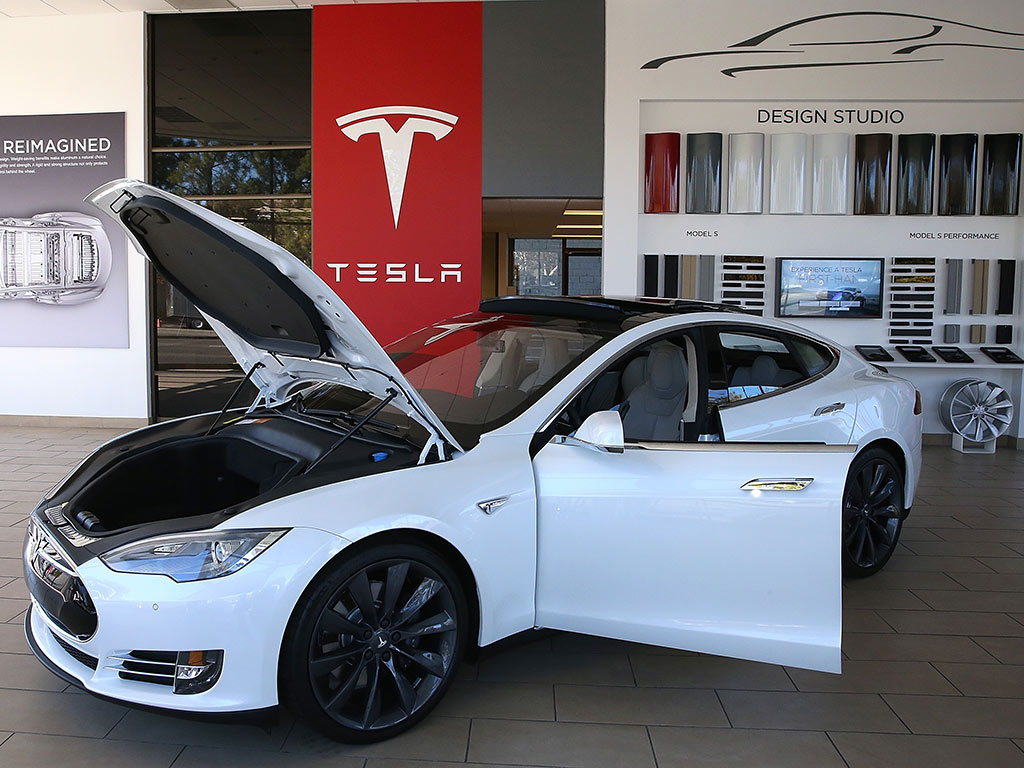
1. Tesla Model S
At £85,000 the Model S does not come on the cheap, however, the vehicle’s best-in-class performance and tech have cemented its standing at the top of the pile since its release in August 2013. Moreover, the car’s impressive lithium ion battery at full-charge can take it some 300 miles.
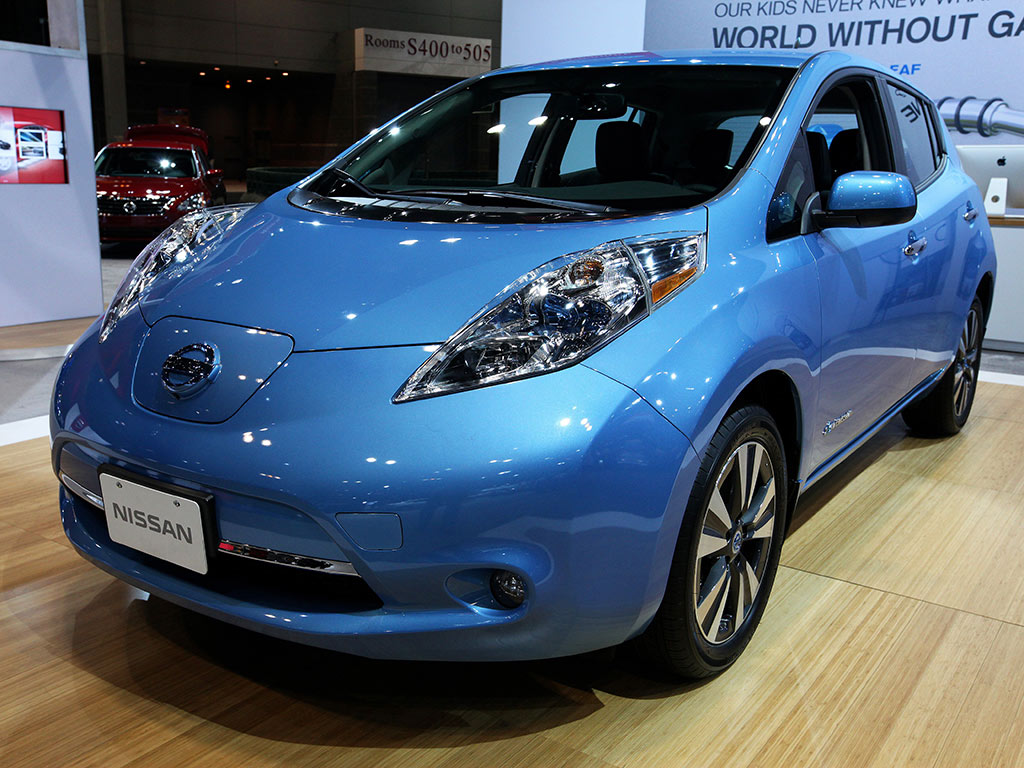
2. Nissan Leaf
Starting at £20,990, the Nissan Leaf was one of the first electric cars on the scene on its initial release in December 2010. The British-built machine has since been improved upon in various departments, not least its range, which has been upped from 109 to 124 miles.
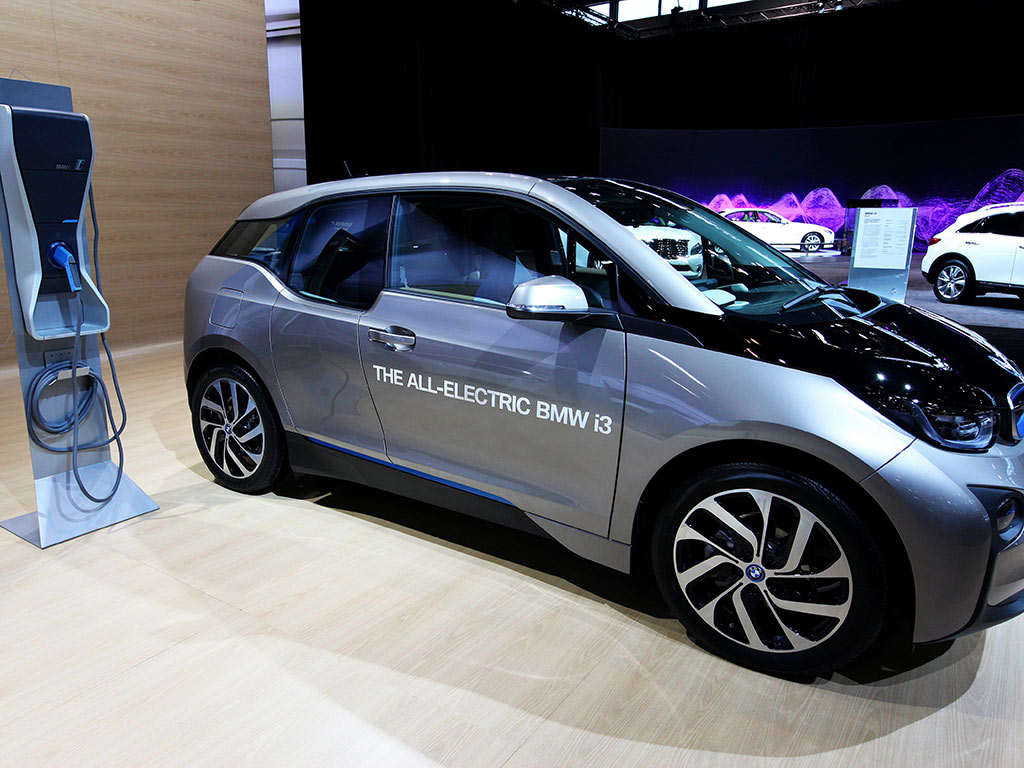
3. BMW i3
The i3’s cutting edge design and carbon fibre build means it looks like no other vehicle on the market, and at £30,680, BMW’s machine is extremely competitive price-wise. However, the i3’s 120-mile range, at its most efficient, falls short of its closest competitors.
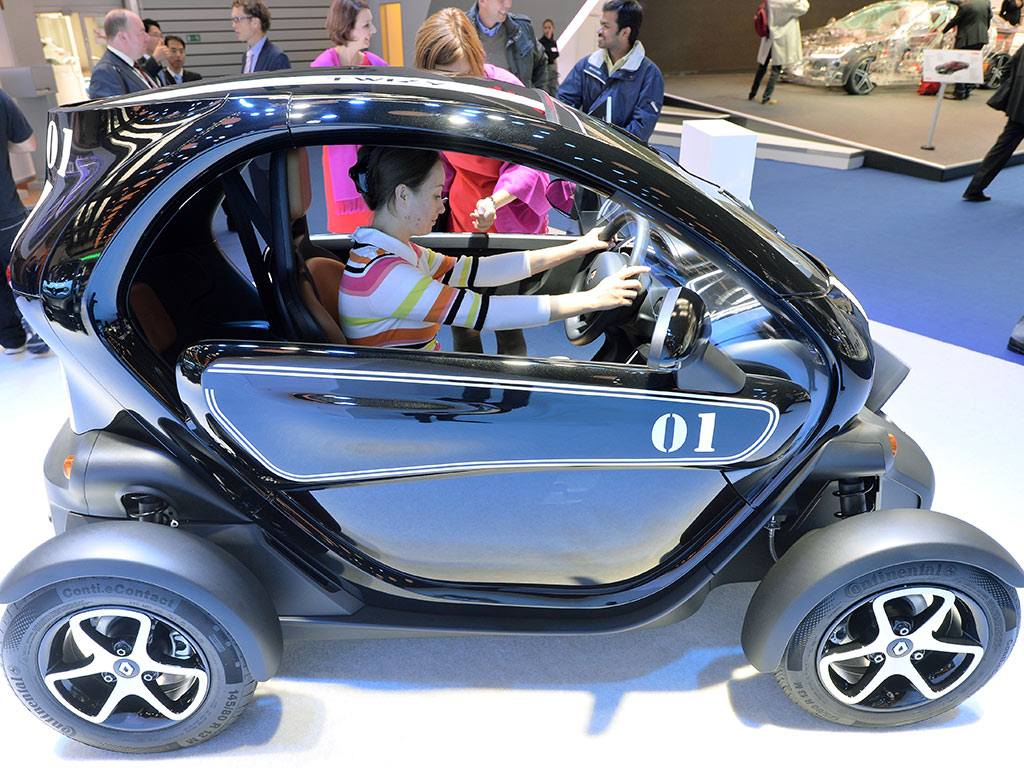
4. Twizy
At £6,690, the 91-inch long, single-seat Renault Twizy is legally classified as a heavy quadricycle and offers an alternative to the conventional car build. Despite a measly range of 62 miles, the Twizy was the best-selling plug-in electric vehicle in Europe through 2012 and appeals predominantly to young consumers.
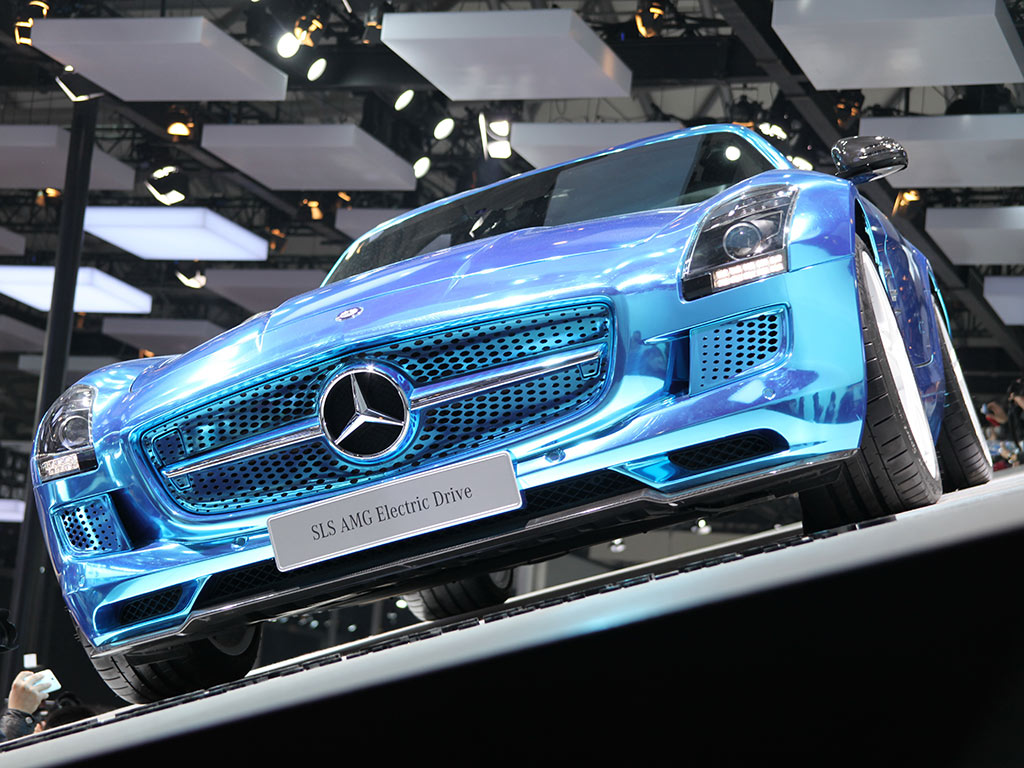
5. Mercedes-Benz SLS AMG Electric Drive
The £300,000 German-made machine remains the fastest electric car to lap the Nürbuhring to date, with a time of seven minutes 56.234 seconds. The car is the electric counterpart to its Mercedes-Benz SLS AMG equivalent and boasts many of the same features, amongst them being vertical-opening gullwing doors.
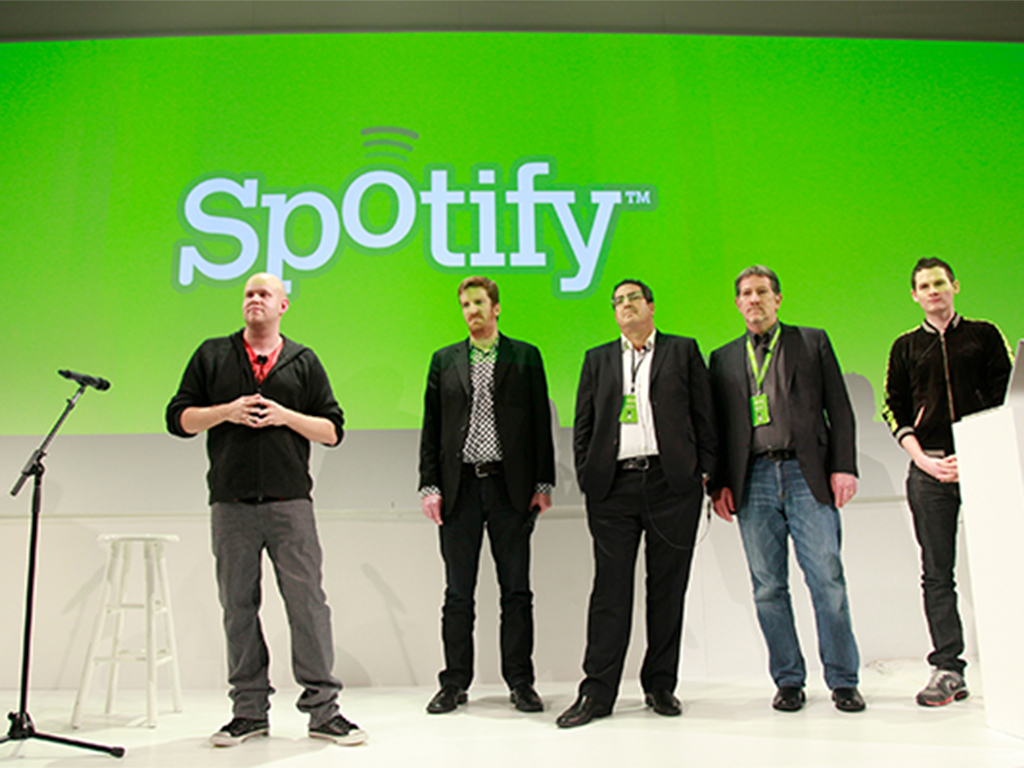
Spotify Founder and CEO Daniel Ek joins other music moguls at an event in 2011: Reports in the news today suggest that the online music streaming service could be headed towards an IPO in the US
Spotify, the popular online music streaming service, could be heading closer and closer to an initial public offering (IPO) in the US. The Financial Times reports this morning that Spotify is negotiating a $200m credit facility with several large banks – a sign that the company is indeed on the verge of going public.
Many will draw comparisons to other high-profile internet IPOs in recent years. When Facebook went public in 2012 it was valued at $104bn, but a disappointing market performance was actually seen to have damaged the company’s investment prospects as share prices fell well below expectations. Twitter, on the other hand, had a wildly successful IPO, taking the NASDAQ by storm. Twitter’s success quieted fears of another Dot.com bubble, as the company was seen as a more solid choice for investment because of its age – seven years old at the time of going public.
A recent valuation in November last year estimated the Swedish start-up was worth $4bn
Spotify is a little younger, turning six this year, but rapid growth of its user base will put the company in good stead should the public offering occur. Last week the company bought music algorithm company The Echo Nest for an undisclosed sum. The deal will allow Spotify to further improve their music discovery service and playlist recommendations.
Before Facebook and Twitter went public they both took similar steps to Spotify – acquiring a credit facility and making a big acquisition – further fuelling speculation that an IPO is imminent. Spotify will have to bear these recent examples in mind, but they will see the banks’ willingness to provide a credit line as a good sign. Investors too will be watching closely. A recent valuation in November last year estimated the Swedish start-up was worth $4bn.
Launched in 2008 by a small team in Sweden, the service currently has around 24m users, of which six million are paying subscribers. The service offers an estimated library size of nearly 20m songs, with 20,000 added each day, although catalogue size varies depending on the user’s country because of the deals the company negotiates with the record labels. Spotify have not commented on the speculation yet, but for now it seems investors can almost taste the next big Internet IPO on the horizon.
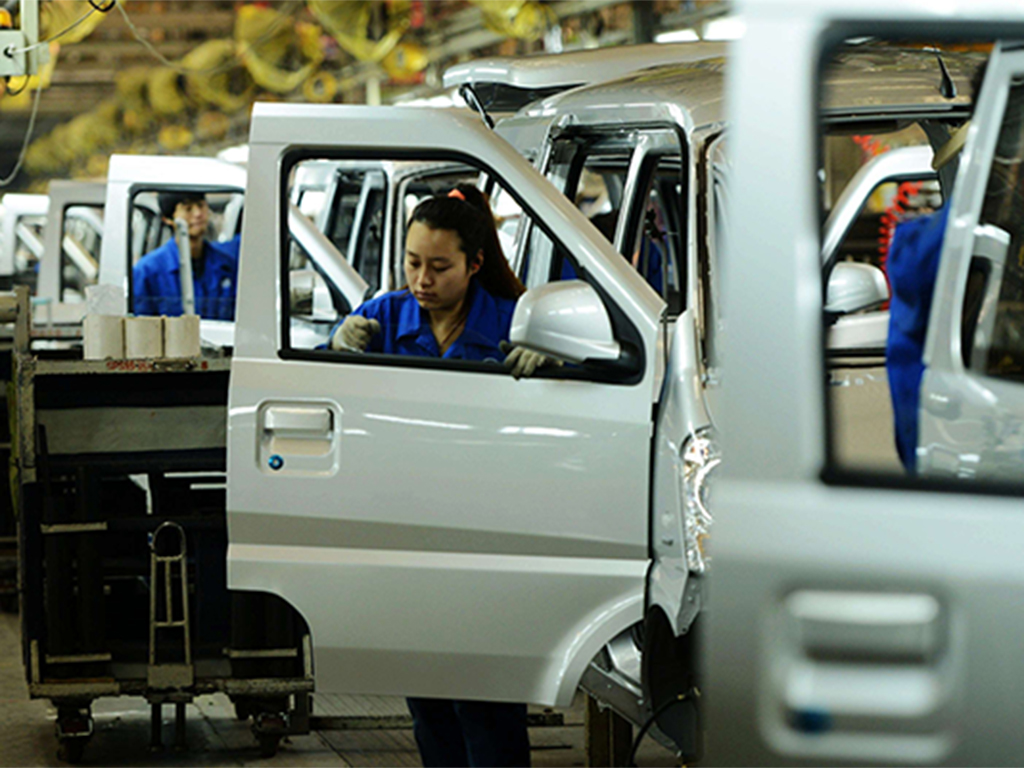
A production line in the Qingdao branch of SAIC-GM-Wuling Automobile: Car sales in the province and the rest of China have grown by a remarkable 18 percent
Passenger-vehicle sales surged some 18 percent last month to 1.31 million units, according to the Association of Automobile Manufacturers, with global carmakers posting impressive gains and Chinese brands extending their losses further still.
China’s auto sales have been outpacing the US’ for quite some time now, in some cases by as much as 100 percent, which has prompted global manufacturers to up their focus on the still-relatively immature market.
As a consequence, China’s home-grown auto brands have been losing valuable market share to long established industry players, largely due to lack of competitiveness, and this trend looks to continue into the months and years ahead. Together, Chinese brands represented 38.4 percent of total February sales, marking a 4.6 percent shortfall on the same month in 2013.
China’s home-grown auto brands have been losing valuable market share to long established industry players
The likes of SAIC, Dongfeng and FAW, China’s top three automakers, have all fallen short of global superpowers such as Ford, which in itself represents something of a success story for the sector. Despite arriving onto the scene relatively late, Ford Motor Co, along with its Chinese joint partners, sold 73,040 vehicles last month, representing a 67 percent uptick on the year previous. What’s more, the company’s February performance follows a 53 percent annualised gain in January and 35 percent in December.
What is most distinctive about China’s manufacturing losses is that they coincide with impressive Japanese gains, only a short couple of years after the anti-Japan protests of 2012. In the wake of the Senkaku islands debate, demonstrations flared up across the country and many called for a boycott of Japanese goods, cars included.
However, it would appear that a yearlong stint of Japanese losses have come to an end now that tensions have come to a standstill; a fact best evidenced by Toyota and Honda’s sales, which skyrocketed 43 and 28 percent respectively through February.
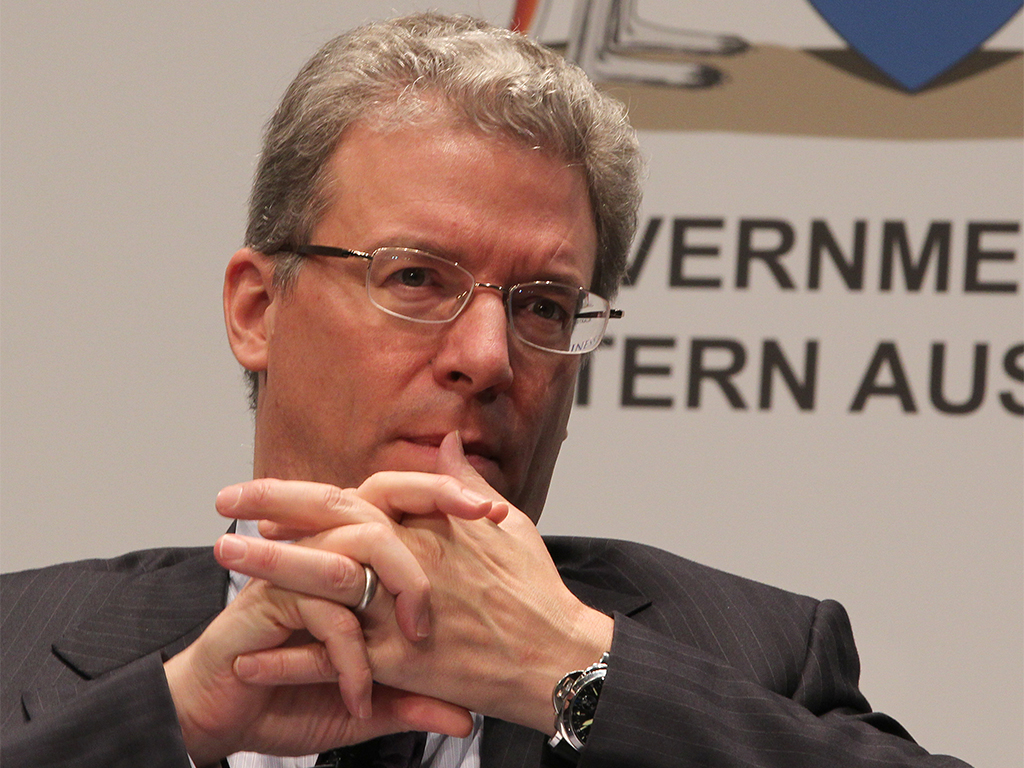
Ready to rumble? Tom Albanese has been named as Vedanta’s new CEO. The global mining group hopes he will boost its share price and global presence, but has restricted his say on mergers and acquistions
“Vedanta is a world class business and I’m honoured to be working with Anil and the Board as we lead Vedanta in the next phase of its development,” said Albanese in a company statement. “My focus as CEO will be on operational excellence, efficient cost management and sustainability to drive long-term value for all our stakeholders. I also look forward to supporting Anil and the Board in implementing the strategic ambitions of the Vedanta Group.”
Albanese stepped down from his previous role at Rio Tinto…after a series of acquisitions resulted in “unacceptable” losses
Albanese stepped down from his previous role at Rio Tinto by mutual consent in January of 2013, after a series of acquisitions resulted in “unacceptable” losses, as described by the company chairman Jan du Plessis. The CEO’s downfall marked a turbulent time for numerous mining industry heads, among them being BHP Billiton’s Marius Kloppers and Anglo American’s Cynthia Carroll who also fell foul of worsening macroeconomic conditions.
Nonetheless, the London-based metals and mining company will be hoping that Albanese will succeed in boosting the company’s global presence and plummeting share price, which fell 25 percent in 2013. “Tom will lead all the businesses of our group companies. The board remains committed to delivering against our stated key strategic priorities of optimising our operations, strengthening our balance sheet and further simplifying the Vedanta Group structure,” said the company’s Chairman, founder and majority shareholder Anil Agarwal in a company statement.
However, Agarwal will still occupy the executive chairman position, leading some to question Albanese’s actual influence, or lack thereof, on company strategy. The incoming CEO has already admitted to the FT that Agarwal would have the final say-so on matters of strategy and M&A, which could signal either Albanese’s lack of control or an understandably cautious approach to deal making on the part of Vedanta.
Company shares climbed four percent on the news of the appointment; however, until his term begins in April and analysts are given ample opportunity to properly assess his influence on proceedings, shares will no doubt remain relatively unchanged.
From space enthusiasts to singer/songwriters, Kickstarter has attracted many budding businesspeople since being founded in 2009. Yet the last 12 months has proved especially lucrative, with more than half a billion dollars pledged.
In total, 5.7m people have shown their financial support for a Kickstarter project, which range from small to strange to globally ambitious. Some, however, are more significant than others. Do you recognise any of these five?
1. Pebble
Goal: $100,000
Pledged: $10,266,845
Successfully funded: May 19, 2012
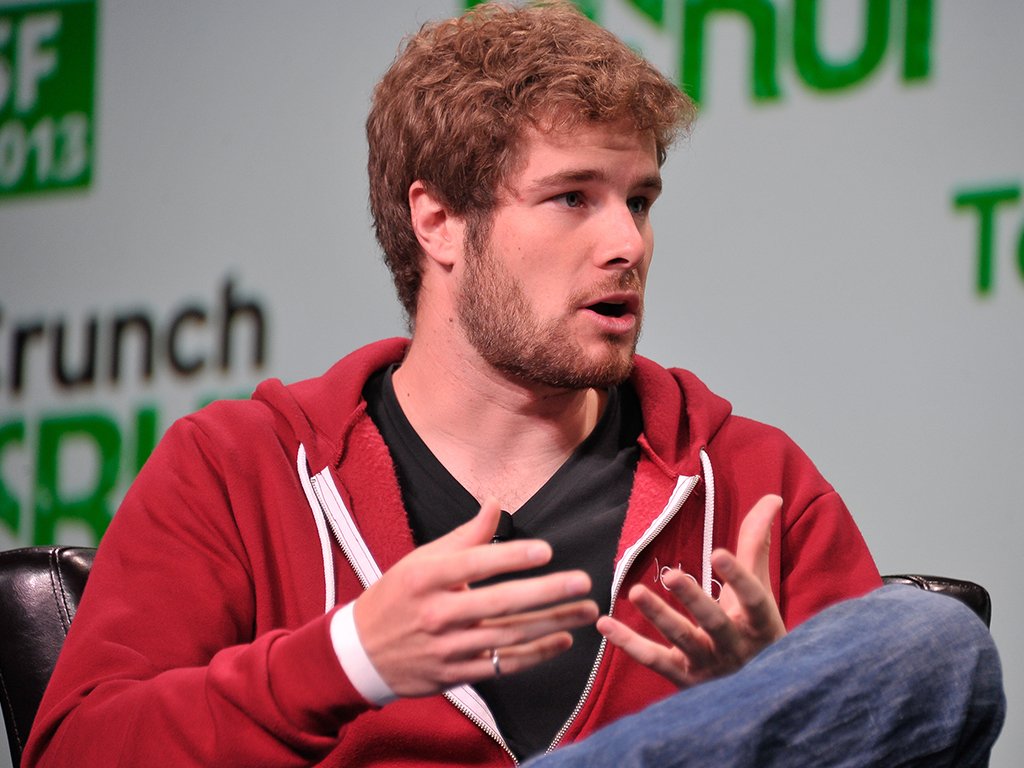
Pebble Technology Founder Eric Migicovsky at TechCrunch in 2013
Pebble Technology’s path-breaking E-Paper Watch smashed its goal overnight, as individuals across the globe rushed to pledge their precious dollars to the highly customisable, iPhone and Android compatible smartwatch project.
2. GoldieBlox
Goal: $150,000
Pledged: $285,881
Successfully funded: October 18, 2012
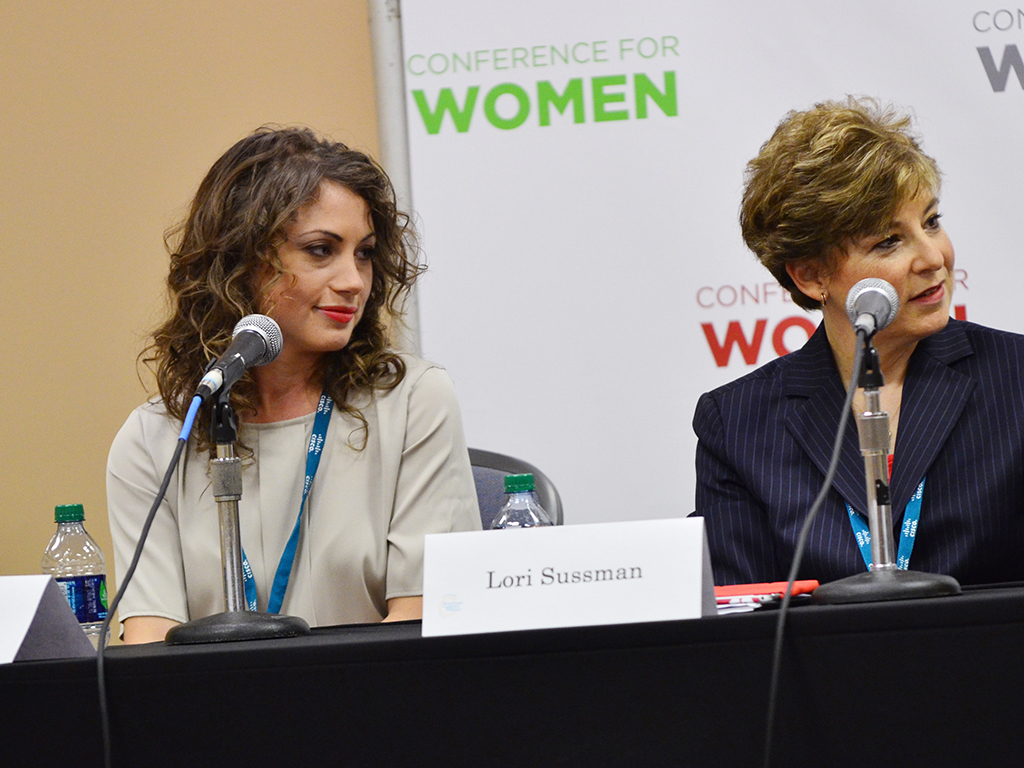
GoldieBlox Founder Debra Sterling (L) and Senior Director of Sales Strategy and Planning at Cisco Lori Sussman speak at the Pennsylvania Conference For Women 2013
Debbie Sterling’s own female-friendly construction toy and book series, GoldieBlox, resonated with thousands upon thousands of backers, as the San Francisco-based entrepreneur sought to inspire girls the way Legos and Erector sets have inspired boys.
3. Amanda Palmer
Goal: $100,000
Pledged $1,192,793
Successfully funded: June 1, 2012
Singer/songwriter Amanda Palmer performs at the Paradise Rock Club
The musician and singer/songwriter Amanda Palmer decided to break away from major record labels for her new album and resorted instead to Kickstarter. The project was an unparalleled success and received upwards of $1m from her fans.
4. Lowline
Goal: $100,000
Pledged $155,186
Successfully funded: April 6, 2012
Delancey Street in East Village, New York City, the site of the world’s first planned underground park
Organisers at the Delancey Underground look set to transform an abandoned New York City trolley terminal into the world’s first underground park, using solar technology, natural lighting and innovative design techniques.
5. ArduSat
Goal: $35,000
Pledged: $106,330
Successfully funded: July 15, 2012
Created by space enthusiasts for space enthusiasts, the ArduSat takes pictures of the earth from above
Created by NanoSatisfi, the ArduSat miniature satellite boasts all manner of advanced analytics and photography capabilities, which it employs whilst travelling over the horizon at 18 times the speed of sound.
The soaring popularity of mobile messaging services continues to make waves in the smartphone industry, with two of the biggest firms snapped up by larger platforms recently. While news last week Japanese online retailer Rakuten had acquired that popular app Viber for $900m caught the attention of many in the industry, it was totally eclipsed last night by another, far more significant, deal.
News broke late on Wednesday that Facebook – the world’s largest social network and black hole of productivity – was planning to acquire the hugely successful WhatsApp messaging platform for a staggering $19bn. The deal, which will see Facebook capture more than 450 million active users, will have serious repercussions for both smartphone manufacturers and telecoms companies.
The deal…will have serious repercussions for both smartphone manufacturers and telecoms companies
Facebook already has its own messaging app that is available on numerous mobile operating systems. While Facebook Messenger has recently enabled users to contact people via SMS messages, it is primarily used for contacting existing Facebook users.
Facebook’s mobile push
The firm has been making a great effort to beef up its mobile offering in recent years. It recently launched a news gathering service called Paper, which it hopes will rival services like Flipboard as an aggregator of relevant news for users on the go. Facebook’s previous record deal was its $1bn purchase of photo-sharing app Instagram in 2012. CEO Mark Zuckerberg has insisted that WhatsApp will retain its independence from Facebook, as Instagram has, but there will certainly be far tighter integration of the services in the coming months.
Although it has so far resisted the temptation to offer its own mobile phone hardware or operating system, Facebook is certainly looking to cover most of the digital services that mobile users need their phones for.
Bad news for telecom companies
What this – and to a lesser extent the Viber deal – means for the telecoms industry is a weakening of their bargaining position. Telecom firms have for years bundled SMS services with their mobile deals, charging users for the privilege. However, the likes of Blackberry Messenger (BBM) transformed the market by offering an internet-based messaging service that did not require the telecoms network. While BBM was relatively niche for many years – existing only on Blackberry smartphones – a number of rival firms sprung up to offer a similar service.
WhatsApp’s huge popularity since launching in 2011 has seen it capture many of BBM’s former users that had since jumped ships to other platforms. With Blackberry losing their previously fanatic fan base, the company announced in 2013 that it would be making BBM available to Android, Windows and iOS users.
Pairing off
The increasing competition has seen some of the world’s leading tech firm’s snap up many mobile messaging firms. Skype’s ability to offer both internet-based voice calls and messaging saw Windows acquire it for $8bn in 2011, merging its existing MSM client with Skype in the process.
Facebook is certainly looking to cover most of the digital services that mobile users need their phones for
Such consolidation presents a problem for the likes of Google and Apple. While their respective Hangouts and iMessage services are widely used by their existing user base, they have found it harder to get new customers to sign up. Hangouts is an extension of Google’s previous Chats application, but has seen few people on non-Android platforms use it. iMessage is unique to Apple’s iOS products, closing off a potentially huge number of customers on other platforms.
Some have suggested that this move could see either Apple or Google to acquire BBM. Blackberry’s problems are likely to continue over the coming months, and the company has been placing much less of an emphasis on its hardware, and more on its software and business services, than before. Were Apple or Google to buy BBM, and therefore capture its robust messaging infrastructure and reported 80m active users, they could have a truly established cross-platform service to rival WhatsApp. Certainly, mobile messaging is a hot technology at the moment, and means potential big bucks for those with popular services.
Big Data is a big deal. Over the past 18 months or so, interest in the technology has skyrocketed, and it has become an indispensable business tool. However, though the term is widely used and accepted, not everyone is entirely sure what Big Data actually is or how it works.
Most of us know that Big Data is about storing and analysing the vast amounts of information generated everyday in order to extract insights that will make businesses more efficient. But how this data collection, storage and analysis works is still beyond many of us.
Here are some common misconceptions about Big Data, and a healthy dose of reality:
1. The most important thing about big data is its size
No. “I have an issue with the term Big Data,” Stefan Groschupf, CEO of data analytics company Datameer, told a rapt audience at a Big Data event in London. The CEO suggested that though the term is business friendly, it is misleading because by referring to the data’s size they are reducing the challenges of the industry to a problem of storage and technology. And though data storage is certainly a huge part of Big Data, the speed with which that data can be accessed and processed is perhaps an even more central issue.
Over the past 18 months or so, interest in the technology has skyrocketed, and it has become an indispensable business tool
Big Data has three main aspects, known as the three Vs: Volume, Variety and Velocity. So while volume is important, the real key to Big Data is the variety. “It is not just the fact that Big Data has changed, it is more that the definition of what is considered data has changed,” explains David Dietrich, an advisory technical consultant at EMC, who specialises in Big Data. “That is, most people think of data as rows and columns of numbers, such as Excel spreadsheets, RDBMSs, and data warehouses storing terabytes of structured data.”
2. There is a ‘one-size-fits-all’ data solution
Not even close. There are a variety of tools available to store, process and handle data, and each company should spend a little bit of time finding the most adequate solutions for themselves. Every company produces useful data that can lead to valuable insights, but not all that data is the same, and not every company will need to use it in the same way.
So there is very little point in investing in the latest buzzing Big Data solution when it will not deal with your company’s needs. It is, however, important to invest in the right type of analytics and storage for your company, otherwise the whole thing will just be a wasted resource.
For smaller companies in particular, it is important to decide what type of insights are valuable, and to focus resources. More data does not usually mean better insights. In fact, the reality can be that when collecting and storing an enormous amount of data, or simply the wrong type of data, can lead to poor decisions being taken. There is so much out there that companies must be clear about what they are looking for, and their Big Data solutions must be geared towards answering those questions.
3. Data analysis can eliminate uncertainty
It cannot. Big data can and should be deployed to reduce uncertainty, but no trend can totally remove uncertainty from any equation. In fact, believing that data can eliminate surprises, mistakes or predict future uncertainty, will only lead to frustration and disappointment. To rely too much on data solutions is to underestimate the human experience that is a vital part of business. Systematic risk can never be fully eliminates, but it can mitigated. Final decisions will always be made by people, and big data is simply another tool to help this process along. A good decision-maker will understand that uncertainty is a fact of life and business; he or she will try to reduce it, then move along.
While much of the focus of energy discussion in the US has been the country’s booming natural gas and oil markets – transformed by fracking – the solar energy market has been quietly restoring its reputation.
Ivanpah statistics
$2.2bn
Cost of construction
$1.6bn
Federal loan guarantee
5sq m
Size of site
40 storey
Comprises three 40 storey towers
350,000
Mirrors
140,000
Homes it will power every year
This week, California – a state at the forefront of renewable energy investment – sees the opening of the world’s largest solar farm. US Energy Secretary Ernest Moniz will officially open the Ivanpah Solar Electric Generating Station on Thursday. Owned by NRG Energy, Google and BrightSource Energy, the facility has cost a total of $2.2bn to construct, with a $1.6bn federal loan guarantee underpinning the project.
The five square mile site, just to the southwest of Las Vegas, will include three 40 storey tall towers and 350,000 mirrors. It is hoped that the facility will be capable of powering roughly 140,000 homes every year, and it represents the first of a number of similarly mammoth solar farms to come in the state.
The Topaz Solar Farm, to the southwest of San Luis Obispo County, currently generates 300MW of energy, but that will increase to 550MW in 2015. Another farm, Dester Sunlight, will soon be generating 300MW, with a further 250MW upon its completion next year.
The industry has faced a number of years of considerable criticism for high technology costs that generated little returns, as well serious mismanagement at firms like Solyndra that cost taxpayers huge sums. However, solar power in California is fighting back against the difficulties of the past. It is expected to double its capacity by 2020, from the current level of 3.04GW, and if the state its own country it would represent the fourth largest for solar capacity in the world.
However, despite the apparent enthusiasm for solar energy, there have been some problems with the new Ivanpah farm. Birds that are flying over the farm are reportedly being scorched by the reflection of the solar panels. Whether this proves as big a problem for the industry in the future remains to be seen.
The West Java river supports upwards of 9m people, yet the fact remains that the supply has been muddied by industrial and domestic sources, who are together responsible for dangerously high concentrations of heavy metals in the region. The Indonesian government has recently embarked upon an ambitious $3.5bn plan to nurse the Citarum back to health in the coming years and improve the prospects of those affected.
Kalimantan, Indonesia (Borneo)
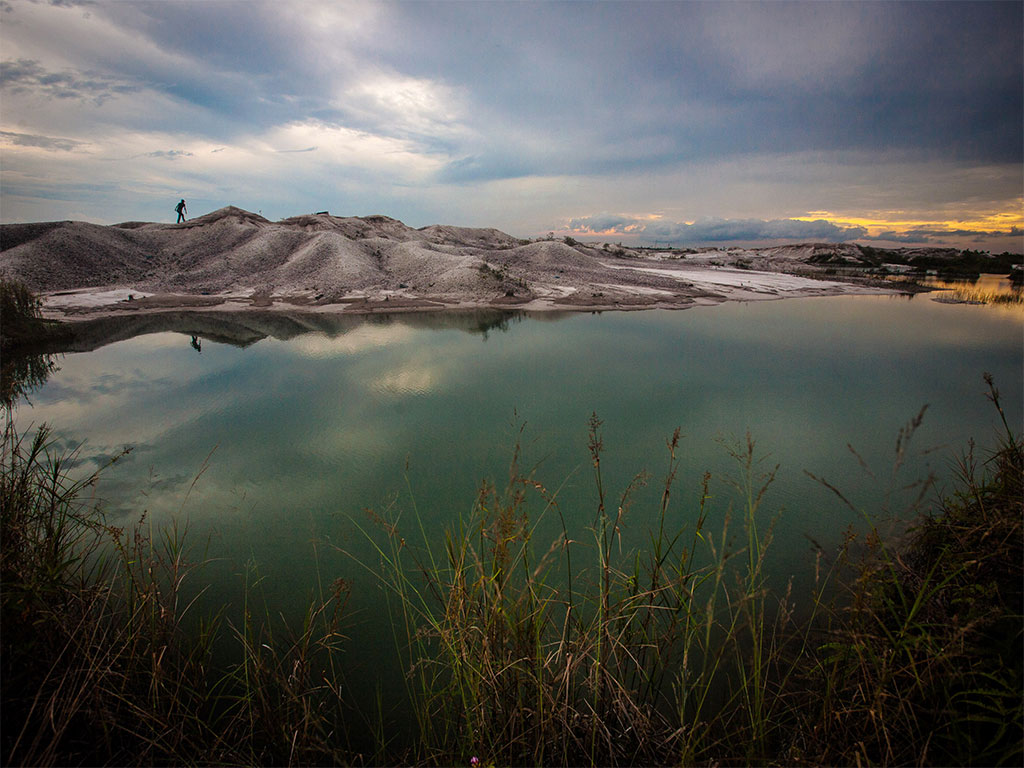
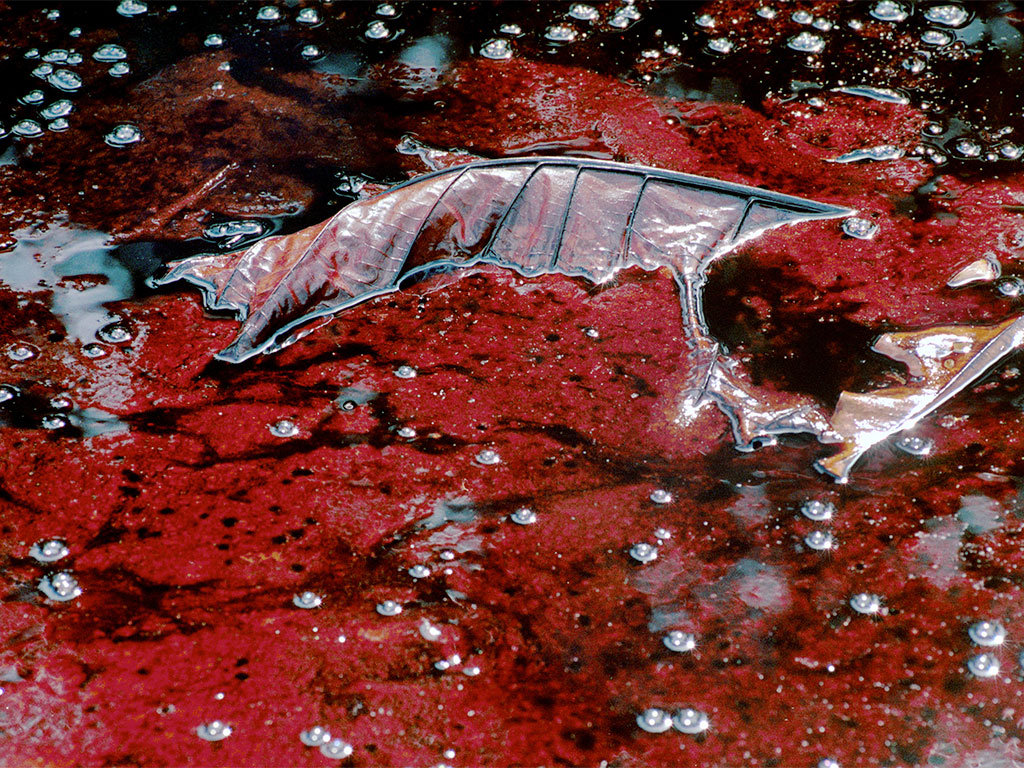
Indonesia’s share of Borneo has long been corrupted by Artisanal Small-Scale Gold Mining (ASGM) extraction processes, which expose the area to an excess of 1,000 tonnes of mercury a year. The trade makes up the main source of income for 43,000 locals, though the repercussions appear to be poisoning the region’s water supply – with one study finding that mercury levels are twice that of Indonesia’s drinking standard.
Norilsk, Russia
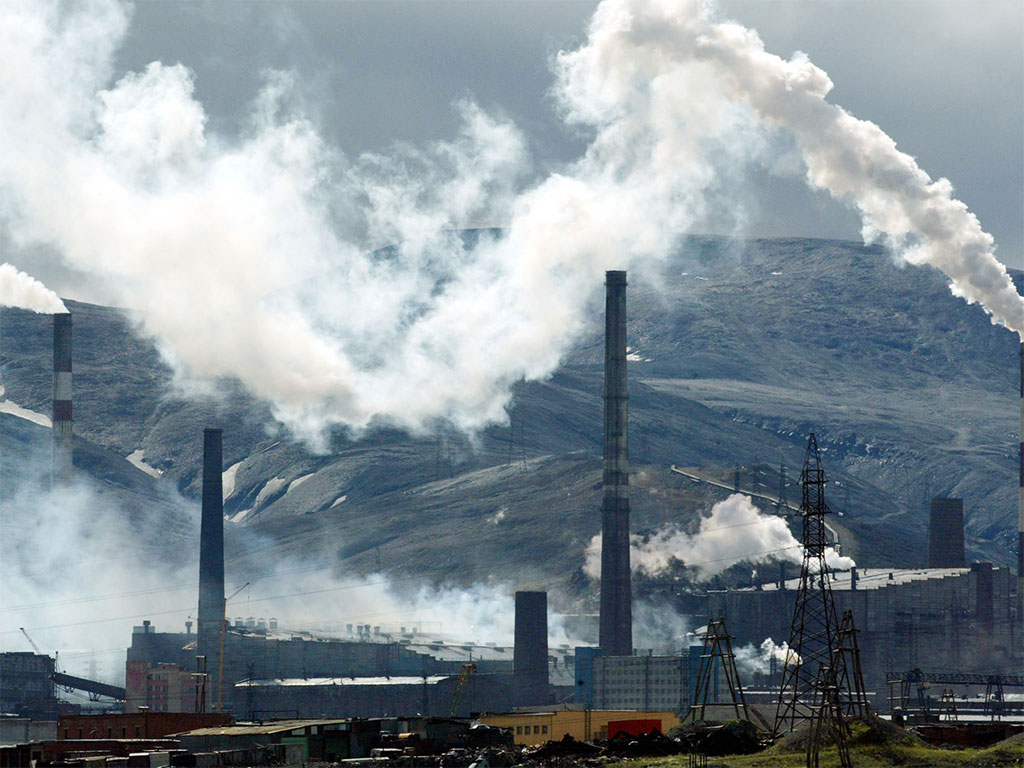
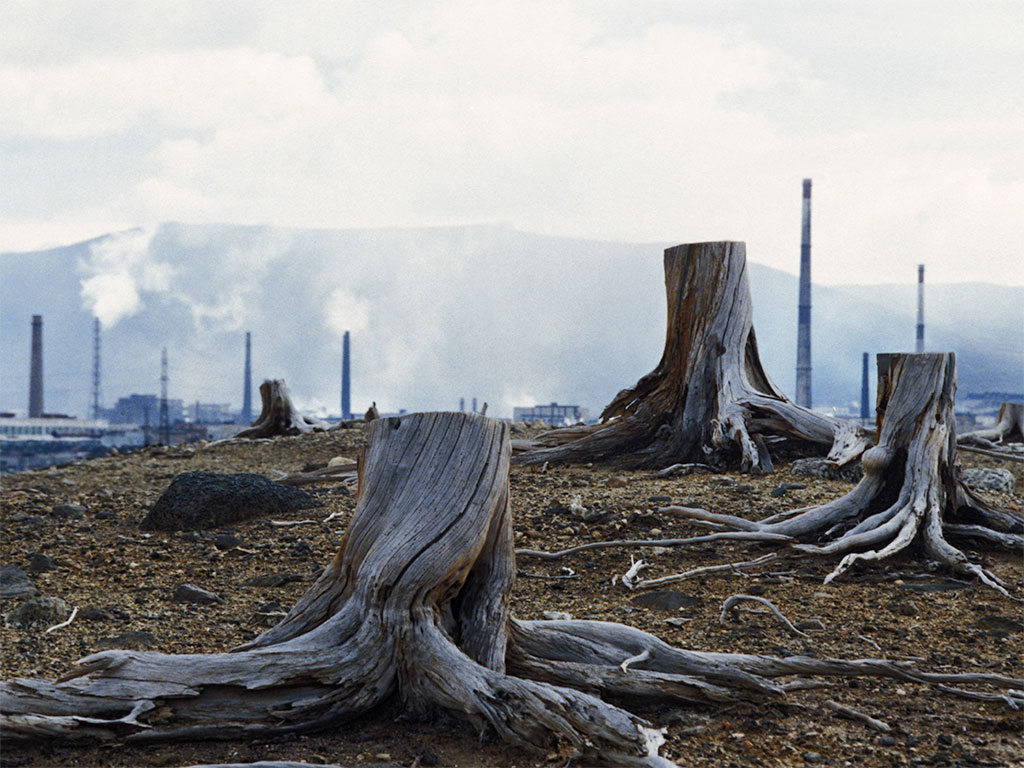
The world’s northernmost city has, until quite recently, played host to the world’s largest heavy metals smelting complex, an achievement that is far from without sacrifices. Near on 1,000 tonnes of copper and nickel oxides, along with 2m tonnes of sulphur dioxide make their way into the atmosphere annually, which has succeeded in slashing the life expectancy of factory workers ten years short of the Russian average.
Hazaribagh, Bangladesh
Home to approximately 90 to 95 percent of Bangladesh’s 270 registered and so often out-dated tanneries, Hazaribagh is also subjected to 22,000 cubic litres of cancer-inducing toxic waste each day, much of which is deposited in the Burigana River. As a consequence, the district’s 185,000 or so inhabitants face a myriad of health issues, ranging from minor acid burns to terminal cancers.
Dzerzhinsk, Russia
Dzerzhinsk’s roaring chemical industry has caused the city’s average life expectancy to plummet to 47 for women and 42 for men, as high concentrations of various toxic by-products have come to constitute a part of day-to-day life for some 245,000 inhabitants. Efforts have been made of late to restore some of the area’s destitute land and shut off out-dated facilities, though it will certainly take some time for the region to return to normality.
Chernobyl, Ukraine
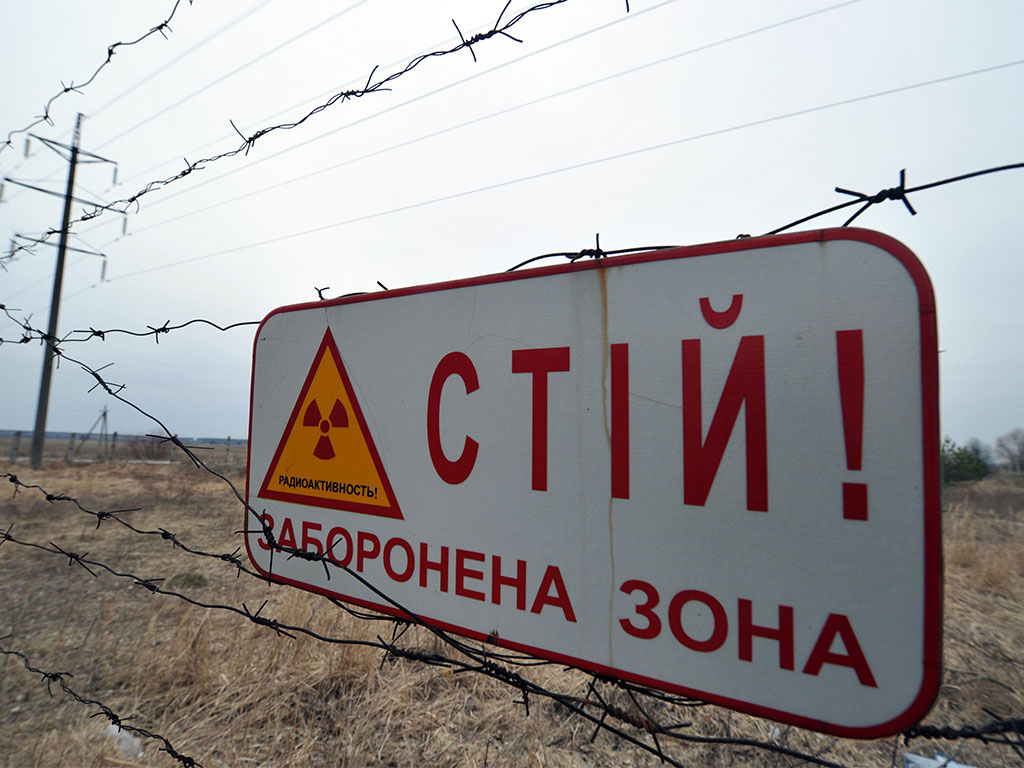
The now infamous Ukrainian city of Chernobyl has ranked among the world’s worst polluted sites for near on three decades, after having fallen foul to one of the most disastrous nuclear accidents on record in 1986. Radioactive discharge remains well above recommended levels, as does the 19-mile excursion zone, which has been enforced to protect the millions of local people still at risk.
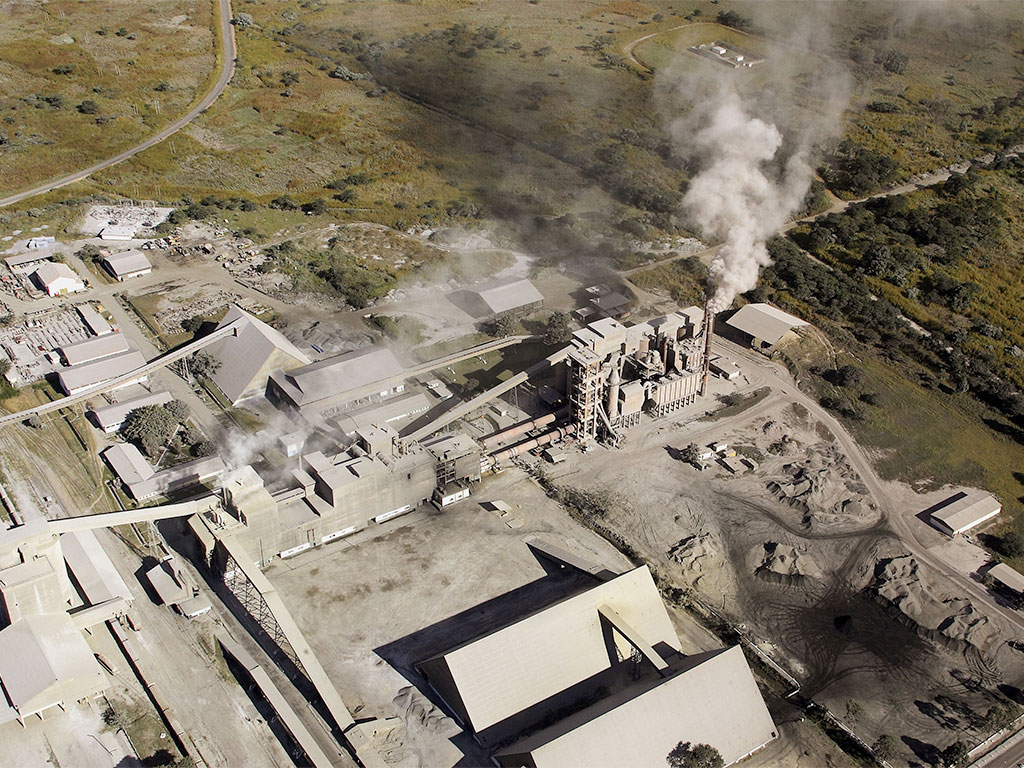
Kabwe, Zambia
The 200,000 plus inhabitants of Kabwe continue to suffer to this day as a result of past mining excesses. The city’s century-old lead mining industry has perpetuated environmental pollution for near on 90 years, so much so that the iron content in children’s blood levels overshoots recommended levels by as much as 1000 percent. Having said this, the mine is now closed and the Zambian government look set on remediating the issue.
Niger River Delta, Nigeria
Since the late 50s, Nigeria’s landmass has been exposed to innumerable toxic expulsions, courtesy of the oil and hydrocarbons industry, and nowhere else can this better be seen than the Niger River Delta. On average, 240,000 barrels of crude are spilled in the river each year due in part to miscommunication, mechanical failure and various other factors. The Nigerian Medical Journal estimates that the spillages could lead to a 60 percent reduction in household food security.
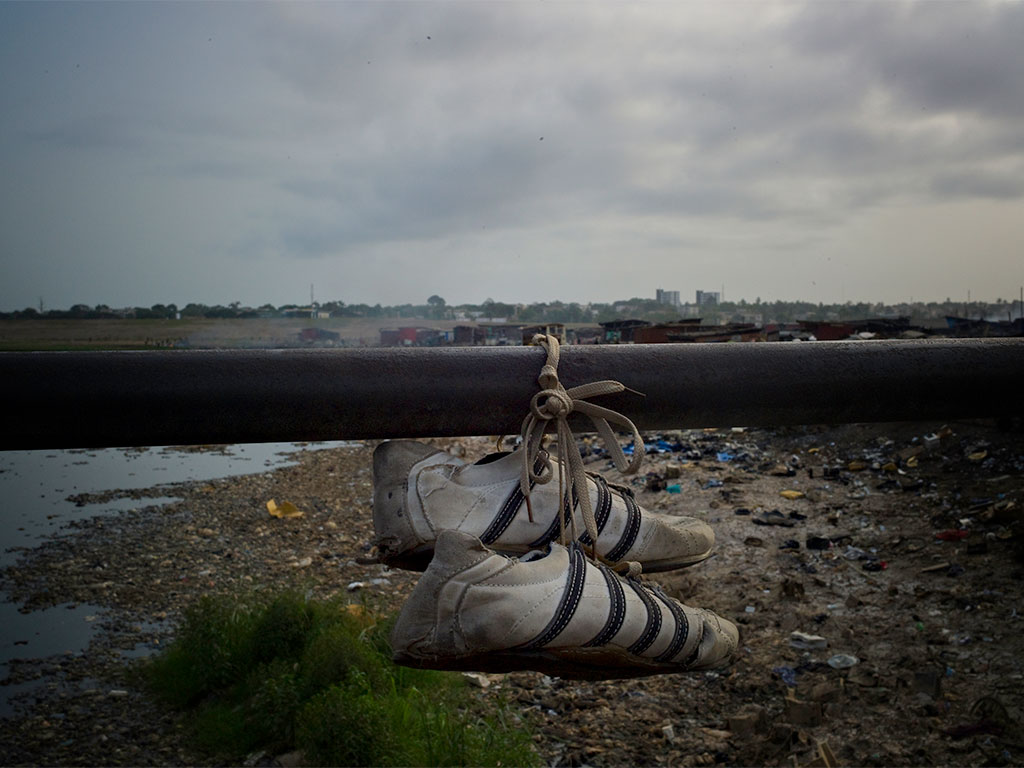
Agbogbloshie, Ghana
Conservative estimates believe that as little as 40,000 people and as much as 250,000 are suffering as a direct result of fumes expelled at Agbogbloshie, West Africa’s second biggest consumer electronics waste processing site. Ghana is believed to generate some 129,000 tonnes worth of e-waste each year, only for the toxic chemicals exuded on combustion, namely lead in this instance, to be subjected to those in the surrounding area.
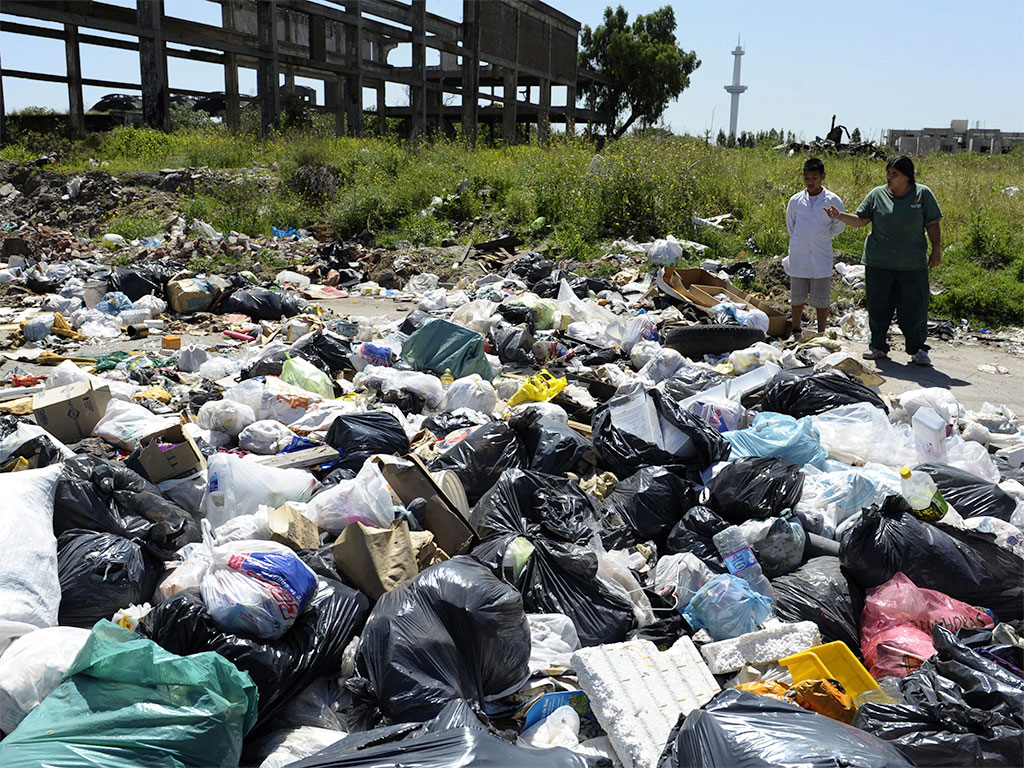
Matanza-Riachuelo, Argentina
An estimated 15,000 industries, chemical manufacturers amongst them, are spilling toxic waste into the Matanza-Riachuelo River Basin, laying waste to the surrounding lands and corrupting what remains a vital water supply for thousands of people. Recent studies have found approximately 12,000 locals to be living in districts deemed “unsuitable for human habitation.” However, a billion dollar programme funded by the World Bank is set to overturn some of the region’s enduring problems.
After six months of takeover rumours, Time Warner Cable – America’s second largest pay-TV operator – has finally succumbed to its suitors. However, despite the aggressive pursuit of the company by smaller rival Charter Communications, Time Warner will in fact be joining forces with the country’s largest provider Comcast.
The deal, worth $45.2bn, is likely to face huge opposition from smaller players, as well as intense scrutiny from regulators worried about a monopoly forming in what has been a relatively fragmented market. However, if approved by the FCC, it will see an industry giant created that will hold over a third of both the video and broadband subscriber markets.
The deal, worth $45.2bn, is likely to face huge opposition from smaller players
Comcast was spurred into action by offering $158.82 a share, after months of speculation that Charter would merge with Time Warner. Charter has made a series of bids over the last six months, the largest of which came in January for a reported $60bn. However, the Time Warner board was not in favour Charter’s bid, describing it at the time as “grossly inadequate.”
With a $144.5bn market capitalisation, Comcast is the industry leader in the US, but the market has been seen as fragmented for years now. There had been speculation that Comcast would join forces with Charter to buy Time Warner, but it later emerged that the smaller firm would need to complete a hostile takeover if it was to be successful.
In separate, but potentially significant, news, Time Warner was today this week rumoured to be close to doing a deal with Apple to provide content with a new version of its Apple TV set top box. Such a deal could have proven persuasive for Comcast, seeing as there are an increasing number of people signing up to internet-based TV platforms. As part of the deal, Comcast will gain a series of popular TV channels, including HBO, as well as Time Magazine.
Scientists are coming increasingly closer to developing technology that will allow us to use all our senses on the internet. Professor Adrian Cheok, City University London, explains how mobile phones will soon allow people to taste and smell, what the commercial benefits of this technology might be, and just how much it’s going to cost
The online world: it’s all about the visual and sound experience, but with three other senses, it can leave us short. Studies have demonstrated that more than half of human communication is non-verbal, so scientists are working on ways to communicate taste, touch, and smell over the internet. I’ve come to the City University London to meet Professor Adrian Cheok, who’s at the forefront of augmented reality, with new technology that will allow you to taste and smell through a mobile phone.
The New Economy: Adrian, this sounds completely unbelievable. Have you really found a way to transmit taste and smells via a mobile device?
Adrian Cheok: Yes, in our laboratory research we’ve been making devices which can connect electrical and digital signals to your tongue, as well as your nose. So for example, for taste we’ve created a device which you put on your tongue, and it has electrodes. What those do is artificially excite your taste receptors. So certain electrical signals will excite the receptors, and that will produce artificial taste sensations in your brain. So you will be able to experience, for example, salty, sweet, sour, bitter – the basic tastes on your tongue – without any chemicals.
[I]t’s a device that you can attach to your mobile phone, and these devices will emit chemicals
And with smell we’re going in a couple of tracks. One is using chemicals, it’s a device that you can attach to your mobile phone, and these devices will emit chemicals. So that means that with apps and software on your phone, you can send someone a smell message. For example, you might get a message on Facebook, and it can send the smell of a flower. Or if your friend’s not in a very good mood it might be a bitter smell.
So the next stage of that is, we’re making devices which will have electrical and magnetic signals being transmitted to your olfactory bulb, which is behind your nose. It’ll be a device which you put in the back of your mouth, it will have magnetic coils, and similar to the electrical taste actuation, it will excite the olfactory bulb using electrical currents. And then this will produce an artificial smell sensation in your brain.
Already scientists have been able to connect optical fibre to neurons of mice, and that means that we can connect electrical signals to neurons.
With the rate of change, for example with Moore’s Law, you get exponential increase in technology. I think within our lifetimes we’re going to see direct brain interface. So in fact what you will get is essentially, you can connect all these signals directly to your brain, and then you will be able to experience a virtual reality without any of these external devices. But essentially connecting to the neural sensors of your brain. And of course that also connects to the internet. So essentially what we will have is direct internet connection to our brain. And I think that will be something we will see in our lifetime.
The New Economy: So direct brain interface – that sounds kind of dangerous. I mean, could there be any side-effects?
Adrian Cheok: Well we’re still at the very early stages now. So scientists could connect, for example, one optical fibre to the neuron of a mouse. And so what it has shown is that we can actually connect the biological world of brains to the digital world, which is computers.
Of course, this is still at an extremely early stage now. You know, the bio-engineers can connect one single neuron, so, we’re not anywhere near that level where we can actually connect to humans. You would have to deal with a lot of ethical and also privacy, social issues, risk issues.
So essentially what we will have is direct internet connection to our brain
Now if you have a virus on your computer, the worst it can do is cause your computer to crash. But you know, you could imagine a worst case: someone could reprogram your brain. So we’d have to think very carefully.
The New Economy: Well why is it important to offer smell over the internet?
Adrian Cheok: Fundamentally, smell and taste are the only two senses which are directly connected to the limbic system of the brain. And the limbic system of the brain is the part of the brain responsible for emotion and memory. So it is true that smell and taste can directly and subconsciously trigger your emotion, trigger your memory.
Now that we’re in the internet age, where more and more of our communication is through the internet, through the digital world, that we must bring those different senses – touch, taste and smell – to the internet; so that we can have a much more emotional sense of presence.
The New Economy: What will this be used for?
Adrian Cheok: Like all media, people want to recreate the real world. When cinema came out, people were filming, you know, scenes of city streets. To be able to capture that on film was quite amazing. But as the media developed, then it became a new kind of expression. And I believe it will be the same for the taste and smell media. Now that it’s introduced, at first people will just want to recreate smell at a distance. So for example, you want to send someone the smell of flowers, so Valentine’s Day for example, maybe you can’t meet your lover or your friend, but you can send the virtual roses, and the virtual smell of the roses to his or her mobile phone.
At the next stage it will lead to, I think, new kinds of creation. For example, music before; if you wanted to play music, you needed to play with an instrument, like a violin or a guitar. But now the young people can compose music completely digitally. Even there’s applications on your mobile phone, you can compose music with your finger, and it’s really professional. Similarly, that will be for smell and taste. We’ll go beyond just recreating the real world to making new kinds of creation.
The New Economy: So will it also have a commercial use?
Adrian Cheok: For advertising, because smell is a way to trigger emotions and memory subconsciously. Now, you can shut your eyes, and you can block your ears, but it’s very rare that you ever block your nose, because you can’t breathe properly! So people don’t block their nose, and that means advertising can always be channelled to your nose. And also we can directly trigger memory or an emotion. That’s very powerful.
[Y]ou want to send someone the smell of flowers, so Valentine’s Day for example, maybe you can’t meet your lover or your friend, but you can send the virtual roses
We received interest from one of the major food manufacturers, and we’re having a meeting again soon. They make frozen food, and the difficulty to sell frozen food is, you can’t smell it. You just see these boxes in the freezer, but because it’s frozen, there’s no smell. But they want to have our devices so that when you pick up the frozen food maybe it’s like a lasagne, well you can have a really nice smell of what it would be.
The New Economy: How expensive will this be?
Adrian Cheok: We’re aiming to make devices which are going to be cheap. Because I think only by being very cheap can you make mass-market devices. So our current device, actually to manufacturer it, it’s only a few dollars.








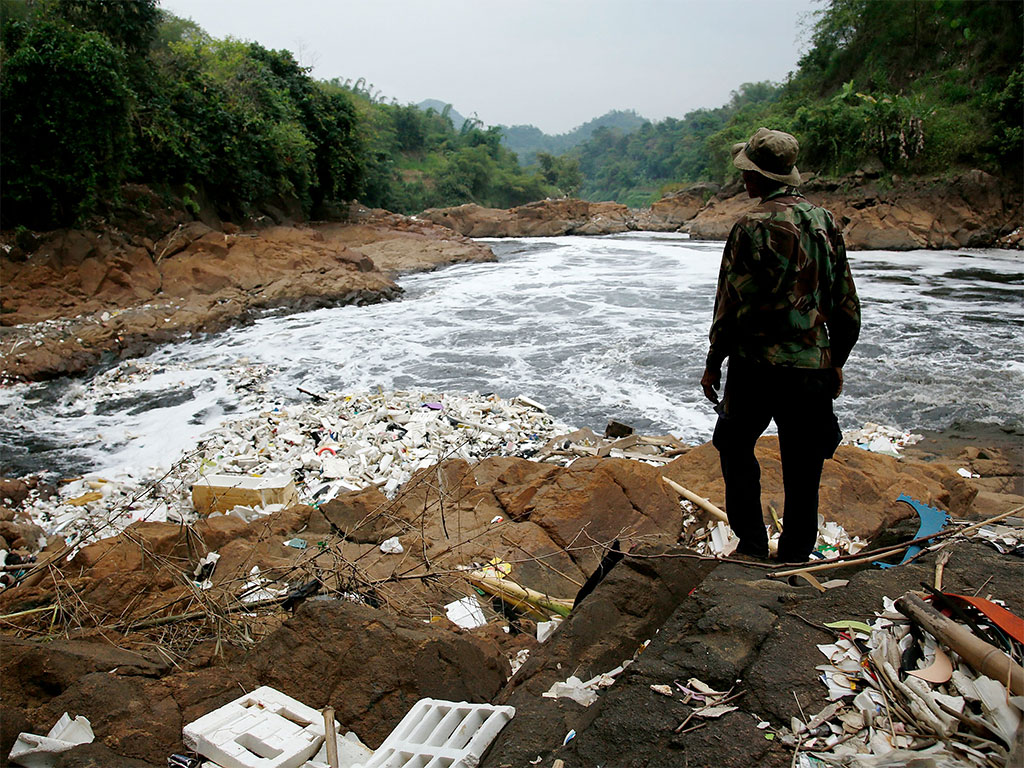 The West Java river supports upwards of 9m people, yet the fact remains that the supply has been muddied by industrial and domestic sources, who are together responsible for dangerously high concentrations of heavy metals in the region. The Indonesian government has recently embarked upon an ambitious $3.5bn plan to nurse the Citarum back to health in the coming years and improve the prospects of those affected.